
Search
Showing results for "mental health aboriginal"
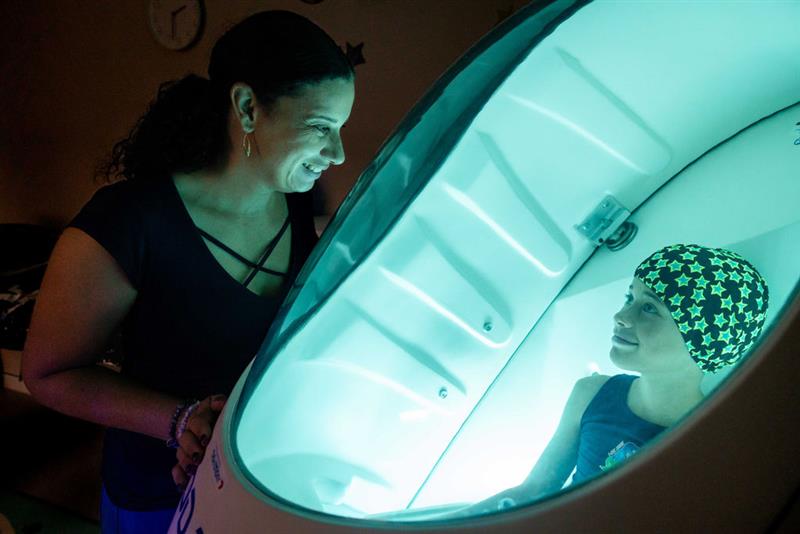
ORIGINS, the largest longitudinal cohort study of its kind in Australia, delivered in partnership between The Kids Research Institute Australia and Joondalup Health Campus, has received $1.5 million funding from the Minderoo Foundation.
We outline three scenarios from across the health spectrum where issues with health informatics are exemplified.
The research protocol described aims to examine and establish the health outcomes of children and young people living in Out-of-Home Care (OOHC) in Perth, Western Australia from the perspective of the care recipients and service providers. A Study Advisory Panel will be established comprised of Aboriginal Elders (because of the over-representation of Aboriginal children in OOHC), health professionals and other relevant stakeholders to help co-design all phases of the study.
This is a PhD Scholarship to undertake research in collaboration with The Kids Research Institute Australia and Curtin University
Health systems did not meet the needs of pregnant Aboriginal women with rheumatic heart disease
Describing the challenges of obtaining state and nationally held data for linkage to a non-government national clinical registry
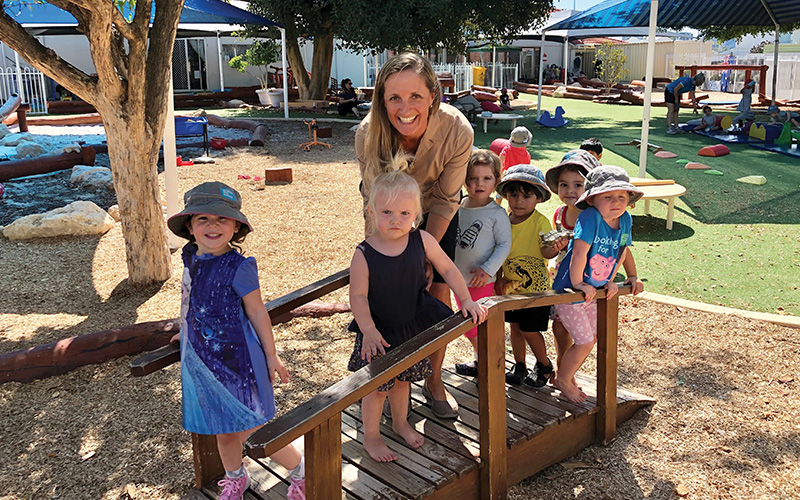
Not too long ago, if you had mentioned physical activity to educators at the Sonas Early Learning & Care centres run by Shelley Prendergast, they would automatically have reached for the trusty old obstacle course.
Childhood obesity is one of the most serious public health challenges of the 21st century and is affected not only by individual choice but also by societal and environmental influences. Childhood obesity is higher in children living in regional and remote compared with major cities, in one-parent families and for those with a disability.
There is a dearth of literature available on the comparative oral health status of those with Rett syndrome (RTT) despite diurnal bruxism being a supportive diagnostic criterion for the disorder. This study was designed to investigate the dental experiences of individuals with RTT in terms of perceived at-home and professional dental care.
To review the effectiveness of oral health education and oral health promotion interventions for children and adolescents with intellectual and developmental disabilities (IDD), in ensuring optimal gingival health, caries experience and oral health-related quality of life, compared to no interventions or alternative interventions.