
Search
Showing results for "early lung health"
In a young adult cohort, stress-response patterns, in addition to other parameters vary with gender, smoking, and BMI
This study identifies widespread DNA methylation changes in whole blood associated with childhood obesity.
Pet owners were significantly more likely to get to know people in their neighborhood than non-pet owners.
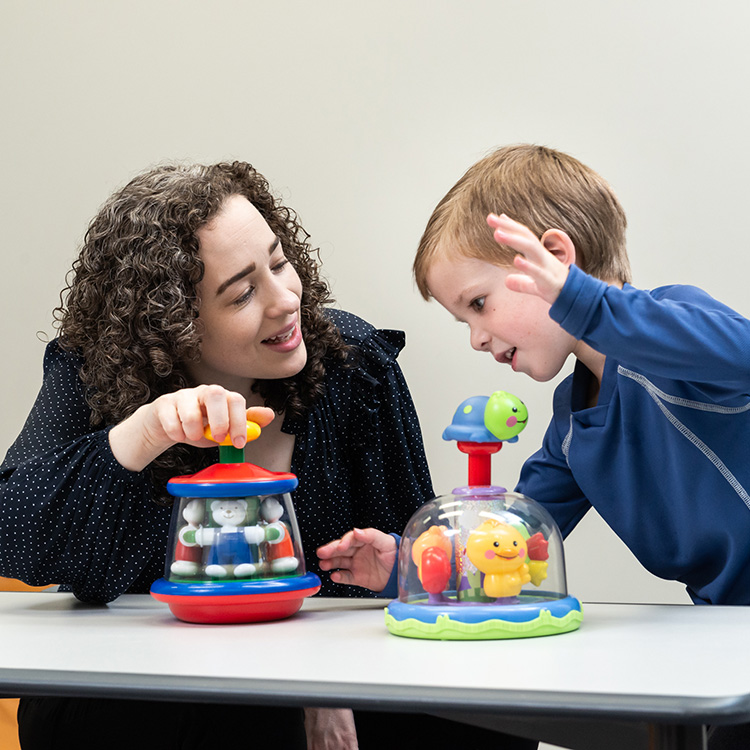
CliniKids is a not-for-profit centre integrating world-class research with a clinical service for children with developmental delay and/or autism, and their families. It is the first of its kind for autism in Australia.
Researchers at the Children’s Diabetes Centre at The Kids Research Institute Australia have begun researching type 2 diabetes to tackle the rising incidence of the disease among young people in Australia.

Meet Rachelle Ward one of our Consumer Representatives

Re: Recommendations from the Diabetes and Endocrinology Department at Perth Children’s Hospital and the Children’s Diabetes Centre at The Kids Research Institute Australia regarding COVID-19 vaccination for children with diabetes
Kids with diabetes should think beyond just carbs, according to The Kids Research Institute Australia senior dietitian Dr Amelia Harray.

Patients require on average about 50 per cent more insulin with a high protein meal than with a low protein meal. A study conducted by the Children's Diabetes Centre used an insulin clamp technique to determine insulin requirements to maintain euglycaemia across the different meals.
Patients whose leukemias harbor a rearrangement of the Mixed Lineage Leukemia (MLL/KMT2A) gene have a poor prognosis, especially when the disease strikes in infants. The poor clinical outcome linked to this aggressive disease and the detrimental treatment side-effects, particularly in children, warrant the urgent development of more effective and cancer-selective therapeutics.