
Search
Showing results for "early lung health"
The following maps provide a visual insight into how the number and rate of Indigenous suicides varies across different regions of Australia.
Pneumococcal – a bacterial infection that can cause pneumonia and meningitis – is responsible for 1000s of hospital admissions in Australia each year, many of them children.
Wastewater-based epidemiology (WBE) has emerged as a key method for the continuous monitoring of COVID-19 prevalence including circulating SARS-CoV-2 lineages. WBE addresses the limitations of traditional clinical COVID-19 surveillance such as clinical test availability, fluctuating testing rates, and increased reliance on rapid antigen tests.
Managing the care regimen for Type 1 Diabetes is challenging for emerging adults, as they take on greater responsibility for self-management. A diverse range of models of care have been implemented to improve safety and quality of care during transition between paediatric and adult services. However, evidence about acceptability and effectiveness of these is limited.
Diabetes in pregnancy is associated with increased risk of long-term metabolic disease in the offspring, potentially mediated by in utero epigenetic variation. Previously, we identified multiple differentially methylated single CpG sites in offspring of women with gestational diabetes mellitus, but whether stretches of differentially methylated regions can also be identified in adolescent GDM offspring is unknown.
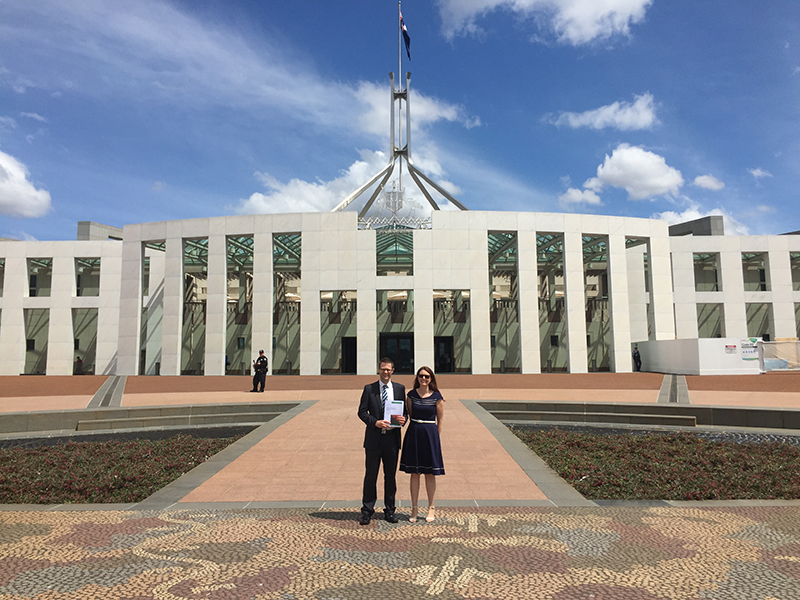
Researchers from The Kids Research Institute Australia, working with the Autism CRC, have led the development of the National Guideline for the Assessment and Diagnosis of Autism Spectrum Disorder in Australia which was launched today.
A The Kids Research Institute Australia researcher has been awarded $10,000 in State Government research support funding.

We’re currently celebrating Speech Pathology Week at The Kids!

Centre Head, Wesfarmers Centre of Vaccines and Infectious Diseases; Honorary and NHMRC Career Development Fellow, Paediatric Infectious Diseases Physician and Clinical Microbiologist
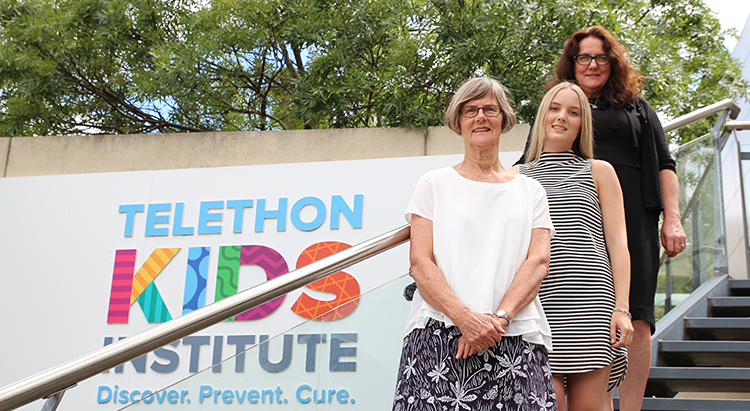
A ground-breaking The Kids Research Institute Australia study, which revealed that almost every young person being held in the Banksia Hill Detention Centre had some form of neuro-disability, has sparked concern and conversation across Australia and the world.