
Search
Showing results for "early lung health"
Prime Ministers of Australia and New Zealand have agreed to provide $3M to help fast-track the development of a vaccine against rheumatic fever.
Researchers from Perth's Telethon Institute are calling for further investigation into a potential link between maternal smoking and childhood brain tumours.
A The Kids study examining drug resistance in leukaemia patients has shed new light on why some treatments may be more effective than others.
Research at Telethon Institute has shown a correlation between brain tumours in young children and their parents' exposure to diesel exhaust fumes before birth.
Researchers at Telethon Institute have found genetic differences in the rare and aggressive NUT-midline carcinoma, presenting new treatment opportunities.
New research from the Telethon Institute has found that children whose father smoked at conception may have a 35% higher risk of developing leukaemia.
An Australian-developed vaccine that's been trialed in Perth has been found to produce a strong immune response against the H5N1 bird flu virus.

Explore some of the frequently asked questions that The C3 Study receives.
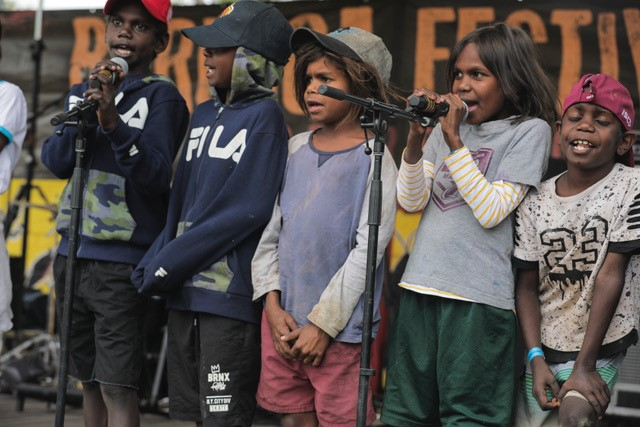
A song written by kids in Barunga as part of the END RHD Communities Project is helping prevent the spread of infections that cause rheumatic heart disease in remote Aboriginal Communities.

Guide our sibling research!