
Search
Showing results for "Childhood interstitial lung disease "

Program Manager
Individuals with cystic fibrosis (CF) are given antimicrobials as prophylaxis against bacterial lung infection, which contributes to the growing emergence of multidrug resistant (MDR) pathogens isolated. Pathogens such as Pseudomonas aeruginosa that are commonly isolated from individuals with CF are armed with an arsenal of protective and virulence mechanisms, complicating eradication and treatment strategies.
To assess the prevalence, clinical features and treatment of otitis media (OM) among Aboriginal children in the Kimberley region of Western Australia, and to determine if a correlation exists between OM and protracted bacterial bronchitis.
The aim is to examine whether using a portable spring-infusor device to deliver antibiotics compared with a standard infusion pump (SIP) translated to (i) improve health outcomes, (ii) reduce the length of stay (LoS), and (iii) reduce cost for treatment of exacerbations of cystic fibrosis.
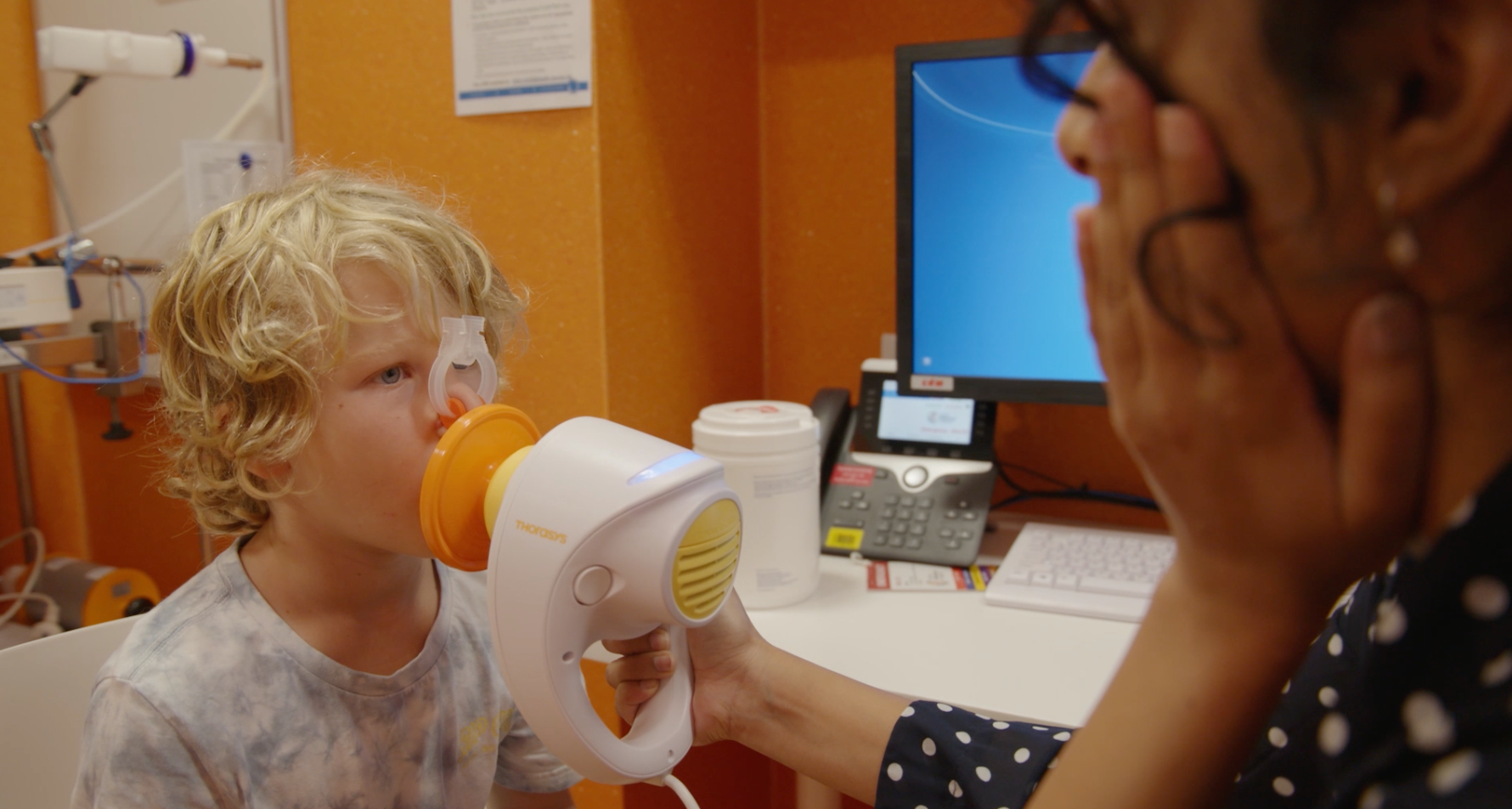
A promising new treatment pioneered in Western Australia for people with cystic fibrosis has commenced testing in a clinical trial in the United States and Australia.
Pat Peter Tom Holt Richmond Snelling PhD, DSc, FRCPath, FRCPI, FAA MBBS MRCP(UK) FRACP BMBS DTMH GDipClinEpid PhD FRACP Emeritus Honorary Researcher
In children, chronic wet cough may be a sign of underlying lung disease, including protracted bacterial bronchitis (PBB) and bronchiectasis. Chronic (> 4 weeks in duration) wet cough (without indicators pointing to alternative causes) that responds to antibiotic treatment is diagnostic of PBB. Timely recognition and management of PBB can prevent disease progression to irreversible bronchiectasis with lifelong consequences. However, detection and management require timely health-seeking by carers and effective management by clinicians.
Group A Streptococcus (GAS) is a major human pathogen responsible for superficial infections through to life-threatening invasive disease and the autoimmune sequelae acute rheumatic fever (ARF). Despite a significant global economic and health burden, there is no licensed vaccine available to prevent GAS disease. Several pre-clinical vaccines that target conserved GAS antigens are in development.
This review focuses on the scientific rationale for early intervention aimed at asthma prophylaxis and discusses therapeutic approaches
Acute wheezing is one of the most common hospital presentations for young children. Respiratory syncytial virus (RSV) and rhinovirus (RV) species A, B and the more recently described species C are implicated in the majority of these presentations. However, the relative importance and age-specificities of these viruses have not been defined.