Skip to content

Search

Showing results for "Neuromuscular disorders "

Prevalence of allergic sensitization, hay fever, eczema, and asthma in a longitudinal birth cohort

The aim of this study was to longitudinally assess the prevalence of allergic sensitization, asthma, eczema and hay fever from infancy to adulthood

Australian guide to the diagnosis of foetal alcohol spectrum disorder: A summary

The Australian Guide to the Diagnosis of Fetal Alcohol Spectrum Disorder has been developed, funded by the Commonwealth Department of Health

New Opportunities for Evidence in Fetal Alcohol Spectrum Disorder

Recent research, using objective 3-dimensional facial imaging, has found differences between the facial shape of individuals with FAS and the facial shape of individuals without FAS or with partial FAS

Linked data research: a valuable tool in the ART field

This letter to the editor endorses data linkage studies and cites their potential value over other types of epidemiological studies within the field of...

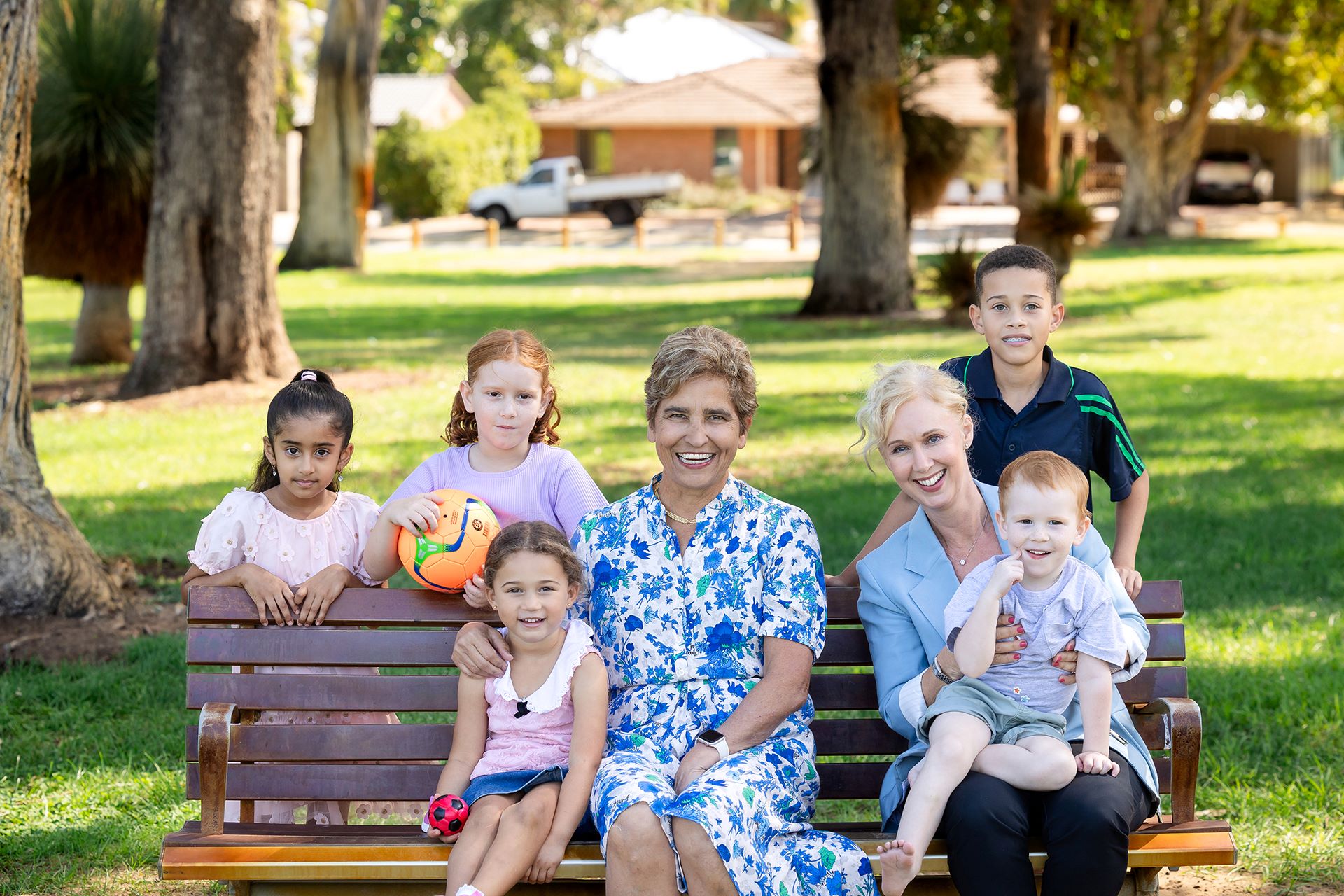
Meet Embrace's new Co-Director

Embrace has appointed Professor of Clinical Psychology Jeneva Ohan as its new Co-Director alongside Professor Helen Milroy AM.

FASD Hub Australia

The FASD Hub brings together the latest evidence-based content about alcohol, pregnancy and Fetal Alcohol Spectrum Disorder (FASD) in Australia.

Early Moves

The Early Moves study is investigating whether a baby’s early movements can predict difficulties with learning (known as cognitive impairment) later in childhood.

Anti-Müllerian hormone concentration is associated with central adiposity and reproductive hormones in expectant fathers

The role of the anti-Müllerian hormone (AMH) as an indicator of physical and reproductive health in men is unclear. We assessed the relationships between AMH and follicle-stimulating hormone (FSH), luteinizing hormone (LH), testosterone, and metabolic parameters, in a cohort of expectant fathers.

Health-related behaviours and weight status of expectant fathers

Little attention has been given to the health status and lifestyle behaviours of expectant fathers. This study aimed to examine health-related variables in a cohort of expectant fathers to identify potential focus areas for interventions designed to optimise health and wellbeing outcomes in this group.