
Search
Showing results for "autism"
Sleep disturbance is a common and significant issue for individuals with CDKL5 Deficiency Disorder (CDD) and their families. The study aimed to investigate experiences of sleep disturbance in CDD and associated factors.
Building data linkage capabilities, and how linked databases can be used to identify persons with IDD and used for population-based research
Our findings illustrate the vulnerabilities of children born to foreign women from low and middle-income countries
Supports are needed for families with children with disabilities to assist in meeting the child's health and developmental needs, but also to support the parents in managing the often more complex parenting environment.
Helen Jenny Leonard Downs MBChB MPH BApplSci (physio) MSc PhD Principal Research Fellow Head, Child Disability +61 419 956 946 08 6319 1763
Marked increases in maternal age and primiparous births were observed. A four-fold increase in the rates of pre-existing medical complications over time...
A community-led, trauma-informed psychosocial intervention to improve health outcomes of children and young people with Type-1 diabetes.
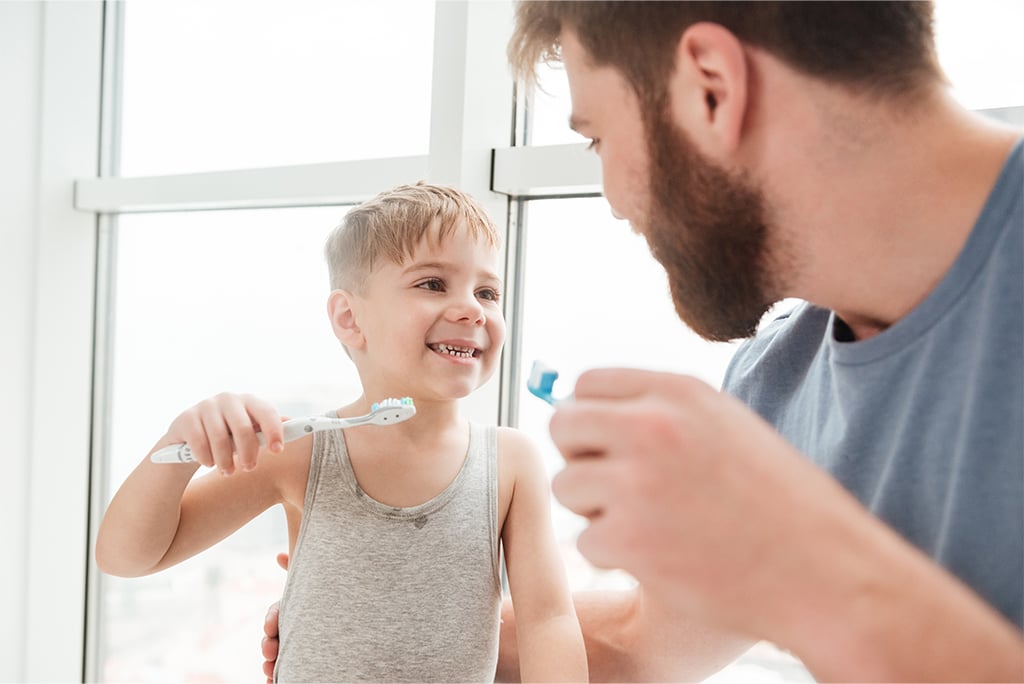
In this blog, Curtin University Occupational Therapy student Emily Mower shares some tips to help your child successfully brush their teeth.
Burn injuries are traumatic experiences that can detrimentally impact an individual’s psychological and emotional wellbeing. Despite this, some survivors adapt to psychosocial challenges better than others despite similar characteristics relating to the burn.
To review and synthesise qualitative literature regarding the psychological outcomes following paediatric burn injuries, and to determine if children and adolescents who experience a burn injury have elevated risk of psychopathology following the injury.