
Search
Showing results for "early lung health"

Getting the chance to play researcher for the day was a welcome change for Tilly Bignell, who has been in and out of hospital since being diagnosed with brain cancer in late 2018.
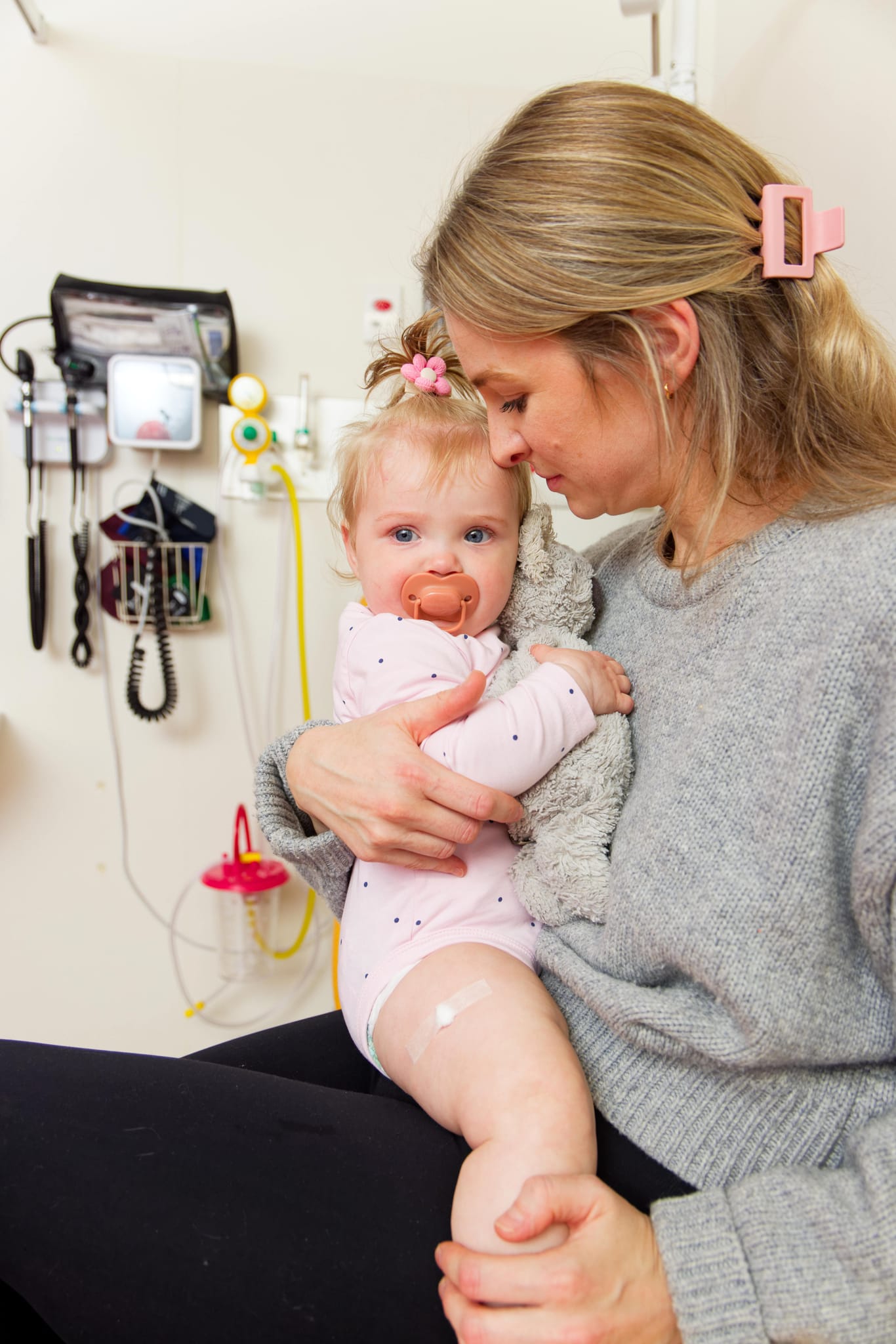
A life-saving meningococcal vaccine covering all five common strains of the deadly disease could soon be available thanks to vital research demonstrating the safety and effectiveness of a combination Men ABCWY vaccine.

Perth investigators involved in a major global trial have launched an innovative Cultural Information Hub to maximise cultural safety for Aboriginal and/or Torres Strait Islander patients participating in research.
Gram-negative bloodstream infections (GNBSIs) more commonly occur in children with comorbidities and are increasingly associated with antimicrobial resistance. There are few large studies of GNBSIs in children that relate the clinical presentation, pathogen characteristics, and outcomes.
Antimicrobial stewardship (AMS) is crucial for optimizing antimicrobial use and restraining emergence of antimicrobial resistance. The overall increase in reported antibiotic allergies in children can pose a significant barrier to AMS, but its impact on clinical AMS care in children has not been addressed.
In mid-2018, the Australian childhood 13-valent pneumococcal conjugate vaccine schedule changed from 3+0 to 2+1, moving the third dose to 12 months of age, to address increasing breakthrough cases of invasive pneumococcal disease (IPD), predominantly in children aged >12 months. This study assessed the impact of this change using national IPD surveillance data.
To assess the impact of implementing a sepsis pathway and education program on key sepsis outcomes and performance targets in a tertiary paediatric hospital.
Sepsis, for children and their parents, is a life-altering illness with far-reaching psychosocial and physical impacts. We aimed to explore the needs of such patients and their parents after hospital admission for sepsis to inform the development of a Western Australian postsepsis care service.
Management and outcomes of children hospitalised with acute SARS-CoV-2 infection may differ throughout the pandemic or with admission type (clinical COVID-19, incidental COVID-19 or nosocomial infection).
Invasive mould infection (IMI) is a major cause of morbidity and mortality in immunocompromised children. Outcomes for paediatric patients with IMI remain poor, due in part to the limitations of available diagnostic tools and therapeutic agents.