
Search
Showing results for "early lung health"
Scabies infection is associated with heightened total IgE immunoglobulin and IgE antibodies to scabies antigens, with both being extremely high for crusted scabies patients. The IgE antibodies cross-react with house dust mite allergens with high reactivity found to the minor allergen arginine kinase.
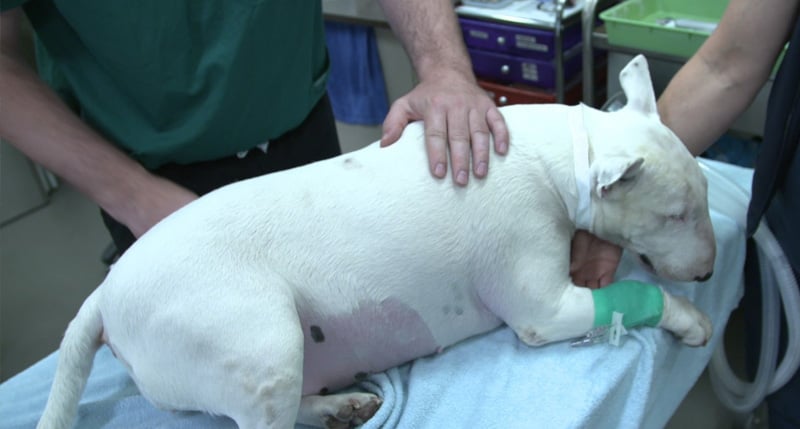
The Kids Research Institute Australia is leading a unique clinical trial in pet dogs that could pave the way for a new immunotherapy treatment for one of the most common childhood cancers, Sarcoma.
Plenty of parents will tell you the daily lunchbox dilemma is one thing they did not miss during the summer holidays.
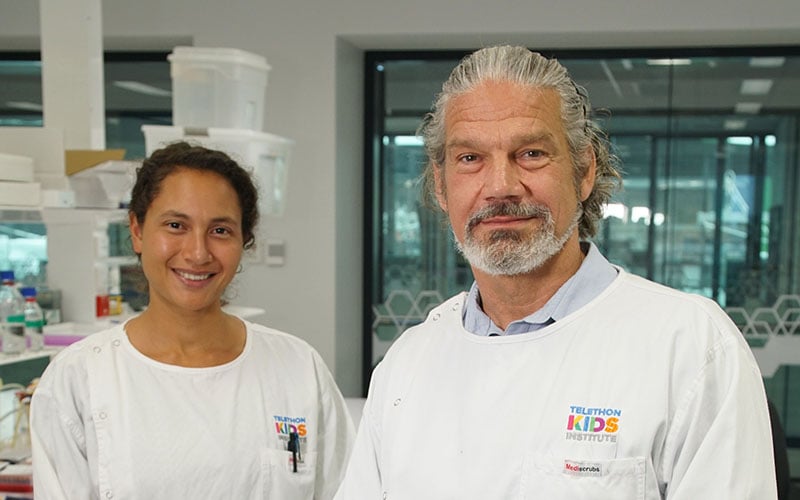
The Kids Research Institute Australia researchers working with a global team have identified the mechanism behind one of science’s most enduring mysteries.

Schools from around the globe have turned to The Kids Research Institute Australia, seeking access to invaluable lessons learned from Australian students on how to effectively reduce harm from cyberbullying.
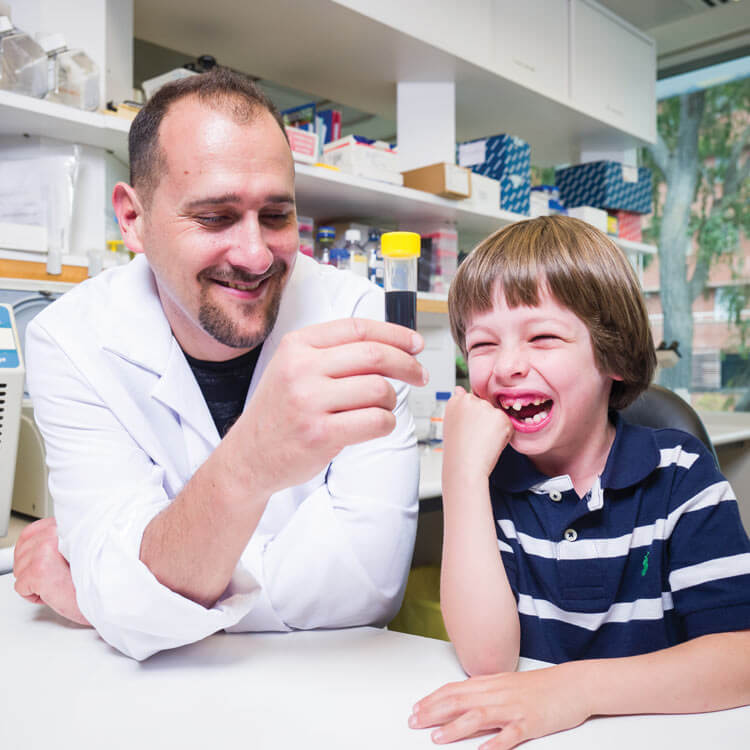
Thanks to an enabling donation from the Stan Perron Charitable Foundation, The Kids Research Institute Australia is home to one of the first paediatric personalised medicine research centres in the world.

Jake's diabetes journey Age when diagnosed; two years-old, almost three.

Meningococcal disease is caused by the bacteria Neisseria meningitidis, or 'meningococcus'. It's an uncommon but very serious disease that can result in death.
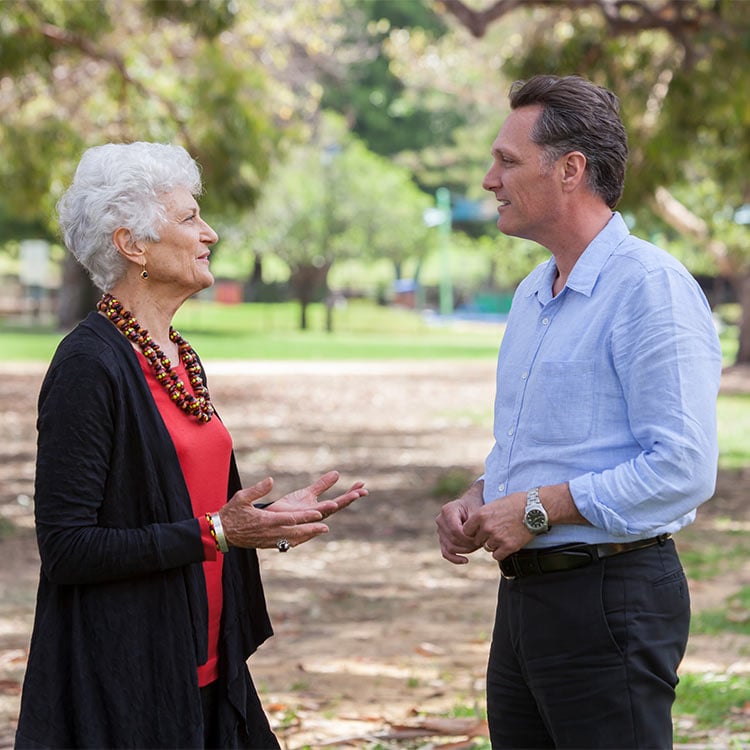
A letter to the WA public from Jonathan Carapetis and Fiona Stanley.

At The Kids, we don’t just accept difference — we celebrate it, and we support it for the benefit of our employees and our community.