
Search
Showing results for "early lung health"

Our local legend, brain cancer researcher Jacob Byrne, has crossed the finish line of his final marathon, completing his Big Run for Little Brains - 30 marathons in 30 days, covering 1266km across Perth’s local government areas.
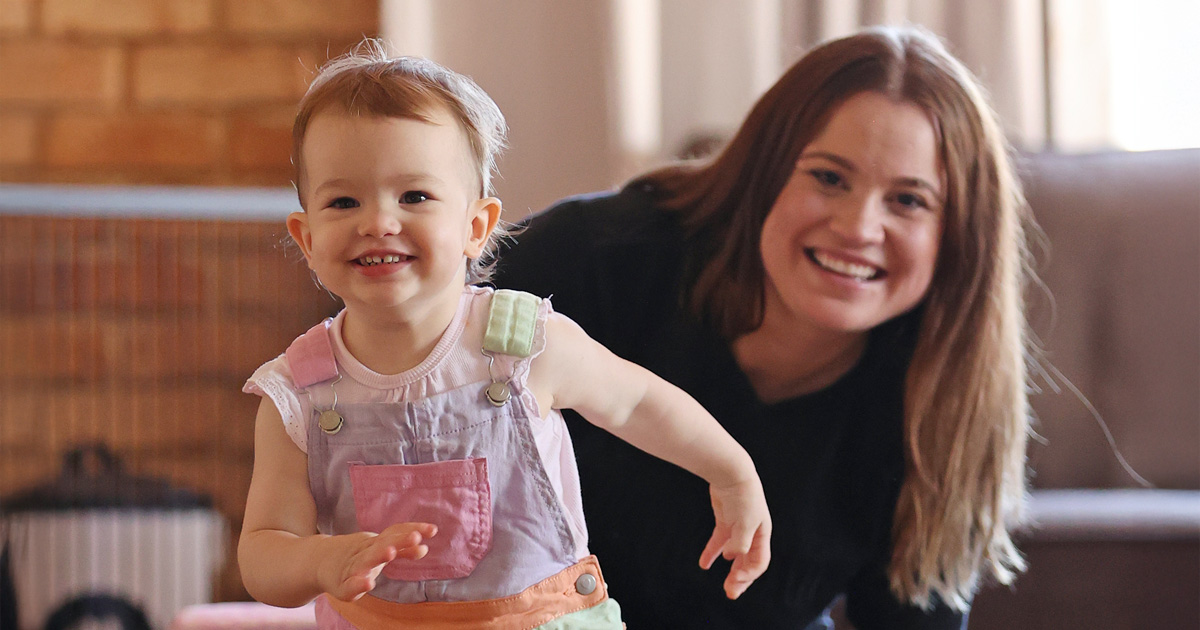
Imagine you had a healthy daughter one day and the next being told she has an incurable condition that requires day-to-day care and insulin treatment to stay alive.

A The Kids Research Institute Australia study designed to gauge community awareness of respiratory syncytial virus (RSV) has found parents and parents-to-be are highly aware of the virus and are open to immunisation to tackle it.
How protective is the whooping cough vaccine? Vaccination and allergy Even though Australia has high vaccination rates against whooping cough, we
Postinfectious acute cerebellar syndromes show a wide spectrum of acute severity and can occur with acute febrile illness or vaccine receipt. Varicella has historically been the most common cause, associated with up to 25% of cases in large cohorts. This study aimed to describe the spectrum of syndromes in a setting with high varicella vaccine coverage.
Pneumonia, most often caused by a respiratory virus, is common in childhood.
Chinese immigrants living in Australia for a longer period of time have increased overall genome methylation and decreased overall gene expression
This study evaluated the relationship between cat allergen–specific biomarkers in adults with cat allergy with and without cat ownership.
Background Evidence relating childhood cancer to high birthweight is derived primarily from registry and case-control studies.
The pathogenesis of asthma continues to be a major topic of interest to our authors with reviews and original papers on the role of viruses, mechanisms of...