
Search
Showing results for "autism"
Dissociation is the act of separating oneself from reality and is often used by children and young people to disconnect from traumatic experiences.
Keely Leanne Amy Bebbington Fried Finlay-Jones MClinPsych/PhD BSc DipEd MSpEd EdD BPsych(Hons), MPsych(Clinical), MHealthEcon, PhD (Clin Psych)
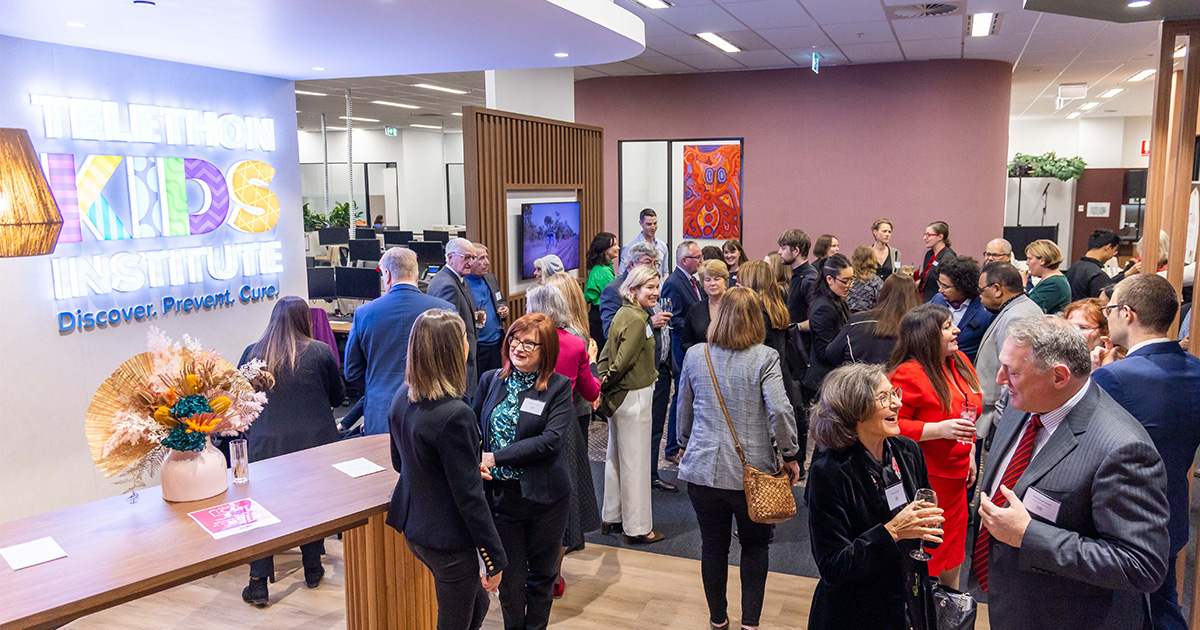
The Kids Research Institute Australia's Adelaide facility has been officially opened by South Australian Premier Peter Malinauskas.
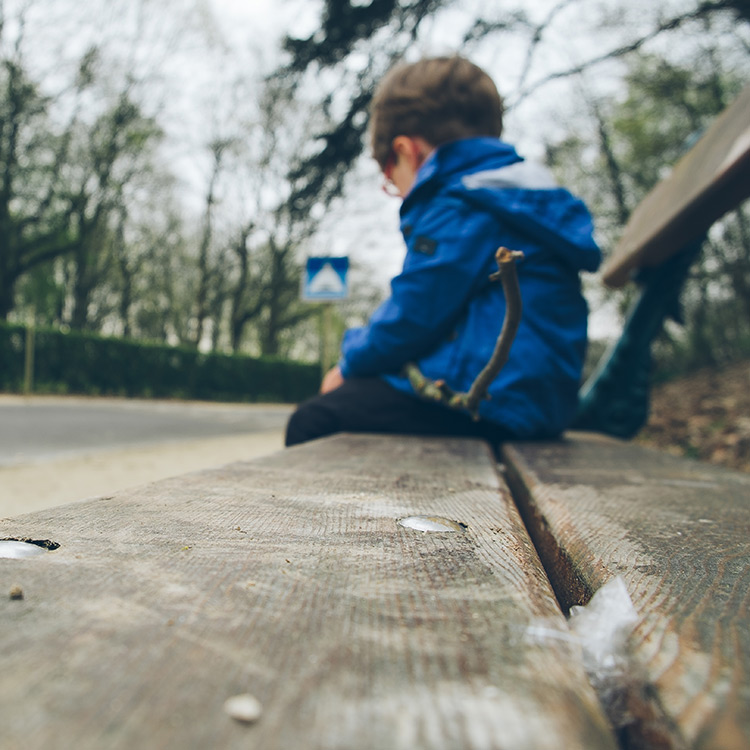
A new study has found children with disabilities are 3 times more likely to be maltreated compared to other children but that risk varies by type of disability.
One of the most traumatic injuries a child can experience is a severe burn. Despite improvements in medical treatments which have led to better physical outcomes and reduced mortality rates for paediatric burns patients, the psychological impact associated with experiencing such a traumatic injury has mostly been overlooked. This is concerning given the high incidence of psychopathology amongst paediatric burn survivors.
Supports are needed for families with children with disabilities to assist in meeting the child's health and developmental needs, but also to support the parents in managing the often more complex parenting environment.
Building data linkage capabilities, and how linked databases can be used to identify persons with IDD and used for population-based research
Our findings illustrate the vulnerabilities of children born to foreign women from low and middle-income countries
Sleep disturbance is a common and significant issue for individuals with CDKL5 Deficiency Disorder (CDD) and their families. The study aimed to investigate experiences of sleep disturbance in CDD and associated factors.
Helen Jenny Leonard Downs MBChB MPH BApplSci (physio) MSc PhD Principal Research Fellow Head, Child Disability +61 419 956 946 08 6319 1763