
Search
Showing results for "clinical trials"
In the absence of an established gold standard, an understanding of the testing cycle from individual exposure to test outcome report is required to guide the correct interpretation of SARS-CoV-2 reverse transcriptase real-time polymerase chain reaction (RT-PCR) results and optimise the testing processes.
A widespread G2P[4] rotavirus epidemic in rural and remote Australia provided an opportunity to evaluate the performance of Rotarix and RotaTeq rotavirus vaccines, ten years after their incorporation into Australia's National Immunisation Program.
RSV was associated with substantial burden of childhood hospitalization specifically in children aged <3 months and in Indigenous children and pre-term children
Researchers are able to track the progress of lung disease through a comprehensive longitudinal set of biological samples, images and data archives.
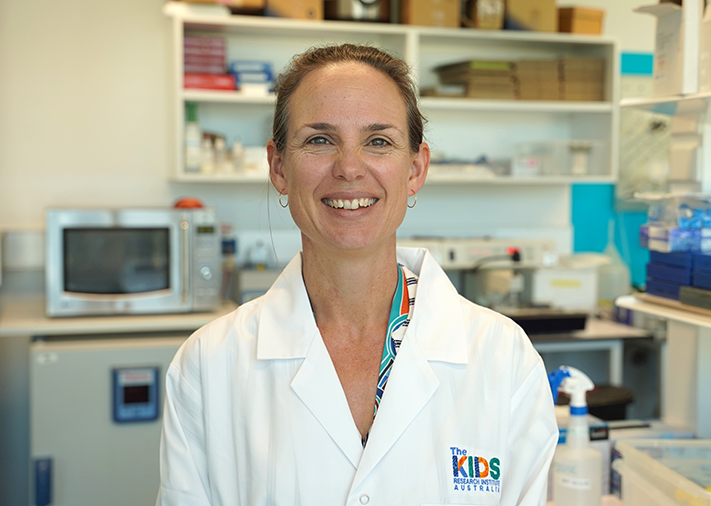
Senior Postdoctoral Researcher and Research Project Manager
Tom Snelling BMBS DTMH GDipClinEpid PhD FRACP Head, Infectious Disease Implementation Research 08 6319 1817 tom.snelling@thekids.org.au Head,

Kandice Varcin is a Senior Research Fellow at CliniKids
There are an estimated 5000 episodes per year of bloodstream infections due to Staphylococcus aureus (golden staph) in Australia and an associated mortality of 20%. Despite this, there is little clinical trials evidence to guide best management.
Papua New Guinea (PNG) introduced the 13-valent pneumococcal conjugate vaccine (PCV13) in 2014, with administration at 1, 2, and 3 months of age. PCV13 has reduced or eliminated carriage of vaccine types in populations with low pneumococcal carriage prevalence, carriage density and serotype diversity.
The Australian and New Zealand Paediatric Infectious Diseases (ANZPID) Group of the Australasian Society for Infectious Diseases (ASID) calls for urgent consideration of the needs and voices of children in response to the COVID-19 pandemic, and in planning for future pandemics.