
Search
Showing results for "early lung health"

Our Wellbeing and Mental Health research focuses on improving the emotional and psychological health of children. We develop evidence-based interventions and strategies to promote resilience, prevent mental health challenges, and help kids thrive.
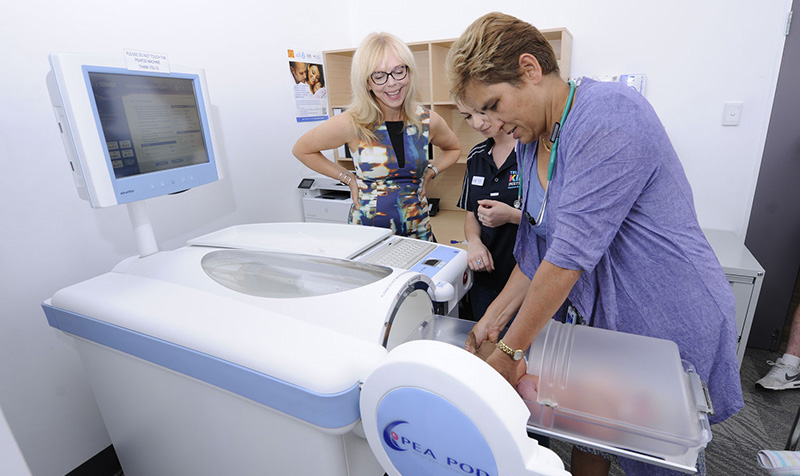
The key to being well may be in your micriome. But do you even know what it is?

T1D Mobile Health App It is important for people living with type 1 diabetes (T1D) to engage in a physically active lifestyle, but it can be
Here you will find follow up information from our autism seminar on mental health and autism.
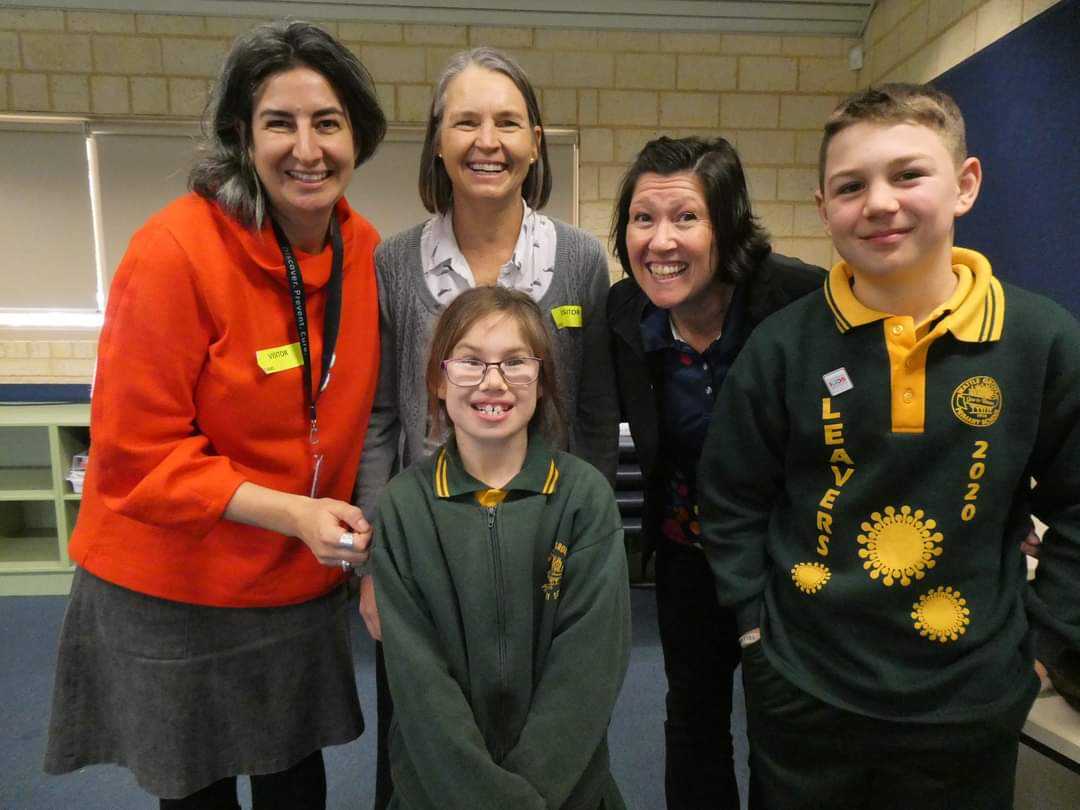
Saxon Marrell proves one person who cares can make a difference.
Bronchiectasis, particularly in children, is an increasingly recognised yet neglected chronic lung disorder affecting individuals in both low-to-middle and high-income countries. It has a high disease burden and there is substantial inequity within and between settings. Furthermore, compared with other chronic lung diseases, considerably fewer resources are available for children with bronchiectasis.
Here, we discuss the relevance of planetary health in the era of personalized medicine, gross environmental concerns, and a crisis of non-communicable diseases
Appropriate support for the health of children with an intellectual disability by parents and healthcare professionals is pivotal, given the high risk of chronic conditions. However, there is limited research that has collected important insights from parents on their learnings for supporting their child's evolving healthcare needs.
Caregivers of individuals with neurodevelopmental and chronic health conditions require health literacy (HL) skills for the long-term management of these conditions. The aim of this rapid review was to investigate the efficacy of HL interventions for these caregivers.
To determine the incidence of and risk factors for psychiatric disorders in early adulthood in patients with childhood onset type 1 diabetes (T1D)