
Search
Showing results for "mental health aboriginal"
Mental ill-health and substance use bear significant public health burden on young people. Prevention is key. Trauma-informed approaches to prevention of mental ill-health and substance use demonstrate significant promise, yet it is unclear how well existing approaches work for young people targeting mental ill-health and substance use. This review aimed to assess the effectiveness, feasibility, and acceptability of trauma-informed mental ill-health and/or substance use prevention programs for young people.
More than 35% of Aboriginal and Torres Strait Islander adults live with cardiovascular disease, diabetes, or chronic kidney disease. There is a pressing need for chronic disease prevention and management among Aboriginal and Torres Strait Islander people in Australia. Therefore, this review aimed to synthesise a decade of contemporary evidence to understand the barriers and enablers of chronic disease prevention and management for Aboriginal and Torres Strait Islander People with a view to developing policy and practice recommendations.
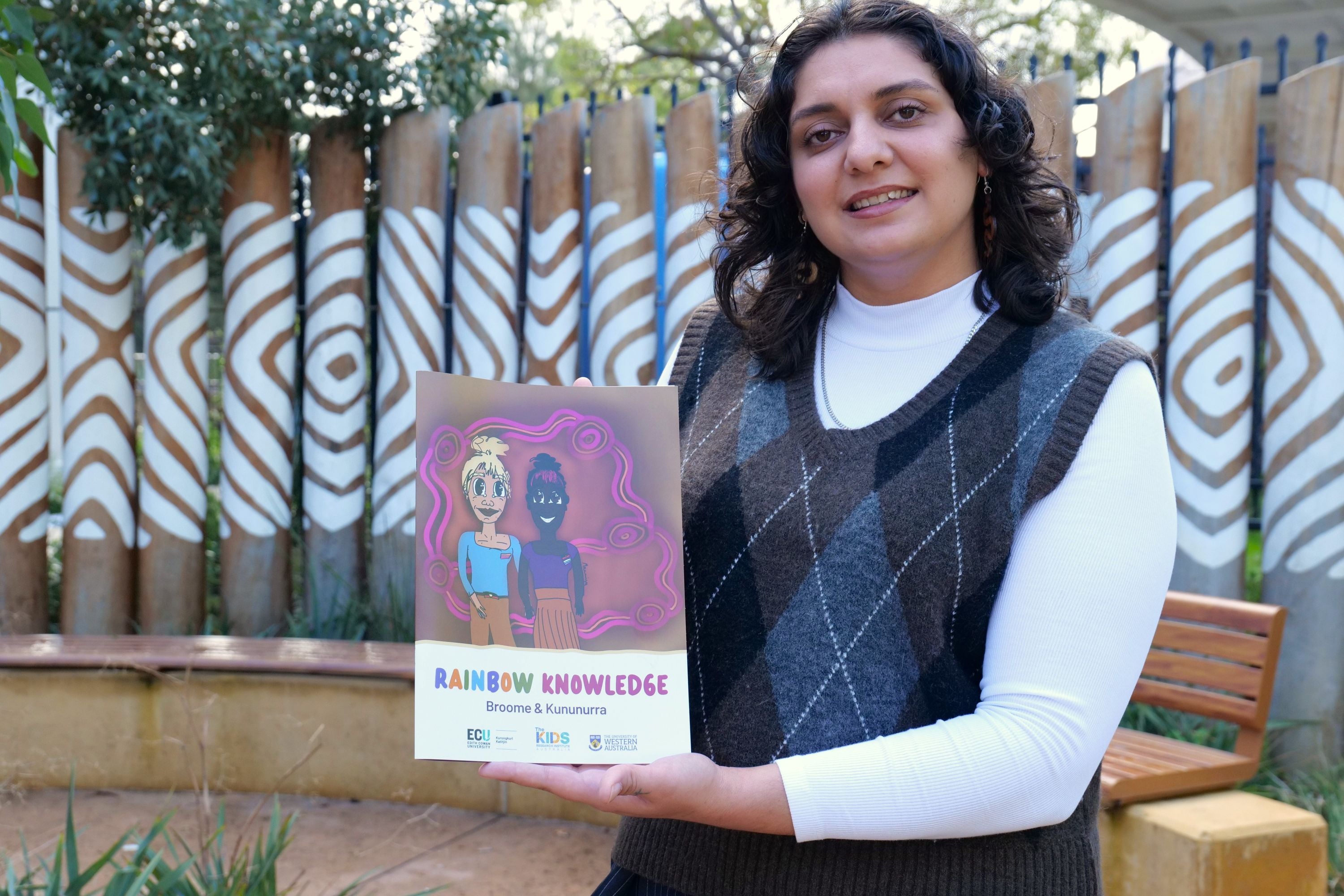
Walkern Katatdjin's Lily Hayward was the report's lead author.

Senior Research Officer
Health-oriented marketing claims commonly and increasingly feature on alcohol products and target younger consumers. This study aimed to test effects of such claims on young adults' alcohol product perceptions and intended consumption.

The Kids Research Institute Australia is featured in a special 25 year anniversary edition of The West Australian's Health+Medicine.

The greatest threat to children’s health in the future is environmental change, including climate change. The Future Child Health project aims to quantify how current and future environmental changes affect child health.
Respiratory syncytial virus (RSV) is a major cause of respiratory infection with a higher burden in Aboriginal and Torres Strait Islander infants and children. We conducted a pilot qualitative study identifying disease knowledge and willingness to immunise following the changing immunisation landscape for infant RSV in 2024.
This study aimed to identify psychosocial predictors in cystic fibrosis that may inform intervention strategies.
This exciting new edition includes several new chapters that deliver an even more robust and high quality resource. It examines issues across the life course,..