
Explored Youth with Neuromuscular Disorders perceptions of health, health behaviors and healthcare engagement
Mental wellbeing was independently associated with academic achievement and perceived family support but not with physical health variables
Neuromuscular disorders can lead to nocturnal hypoventilation. Accurate diagnosis of hypoventilation is imperative to guide treatment decisions. This…
To describe and explore carer quality of life and night-time attendance to their child in parents of non-ambulant youth with Neuromuscular Disorders.…
To investigate quality of life (QOL) and psychosocial well-being in youth with neuromuscular disorders (NMDs) who are wheelchair users.
We hope that through earlier diagnosis and treatment of muscle weakness during sleep, we can prevent future lung failure in children with neuromuscul…
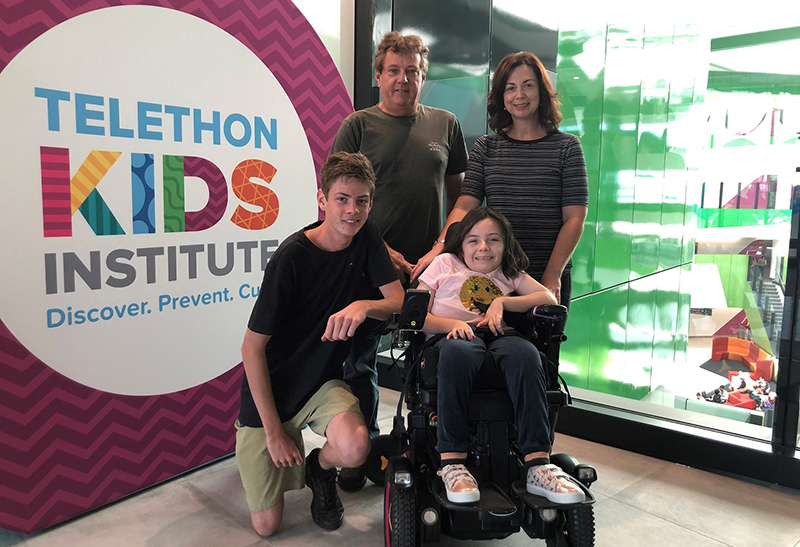
The Kids study hopes to help kids with neuromuscular disorders sleep more easily

engagement and promising results have seen a small neuromuscular disorder study begun as a Masters project blossom ... biggest problems facing young…
Clinical utility of home polysomnography in children with neuromuscular disorders is limited by lack of evidence that sleep-disordered breathing can…
%20" target="_blank" rel="noopener">Neuromuscular Disorders Respiratory outcomes for neuromuscular disease <a