
Search
Showing results for "lung disease preterm"
Improvements in neonatal critical care have resulted in more people than ever reaching adulthood after being born prematurely. At the same time, it is becoming clearer that preterm birth can increase the risk of respiratory disease throughout a person’s lifetime. Awareness that a patient was born preterm can enable early specialist assessment and intervention when there is any concern about lung health.

The Foundations of Lung Disease Team is focused on improving the diagnosis, treatment, and lifelong care of childhood lung disease.
Each year, 11% (15 million) of the world’s babies are delivered before 37 weeks’ gestation.
The AIRWAY-Preterm cohort is one of the most robust, well-studied cohorts in the world!
This review aims to summarise what is known about the long-term pulmonary outcomes of contemporary preterm birth
This is a case of ABCA3 lung disease that demonstrated improvement after systemic glucocorticosteroid administration
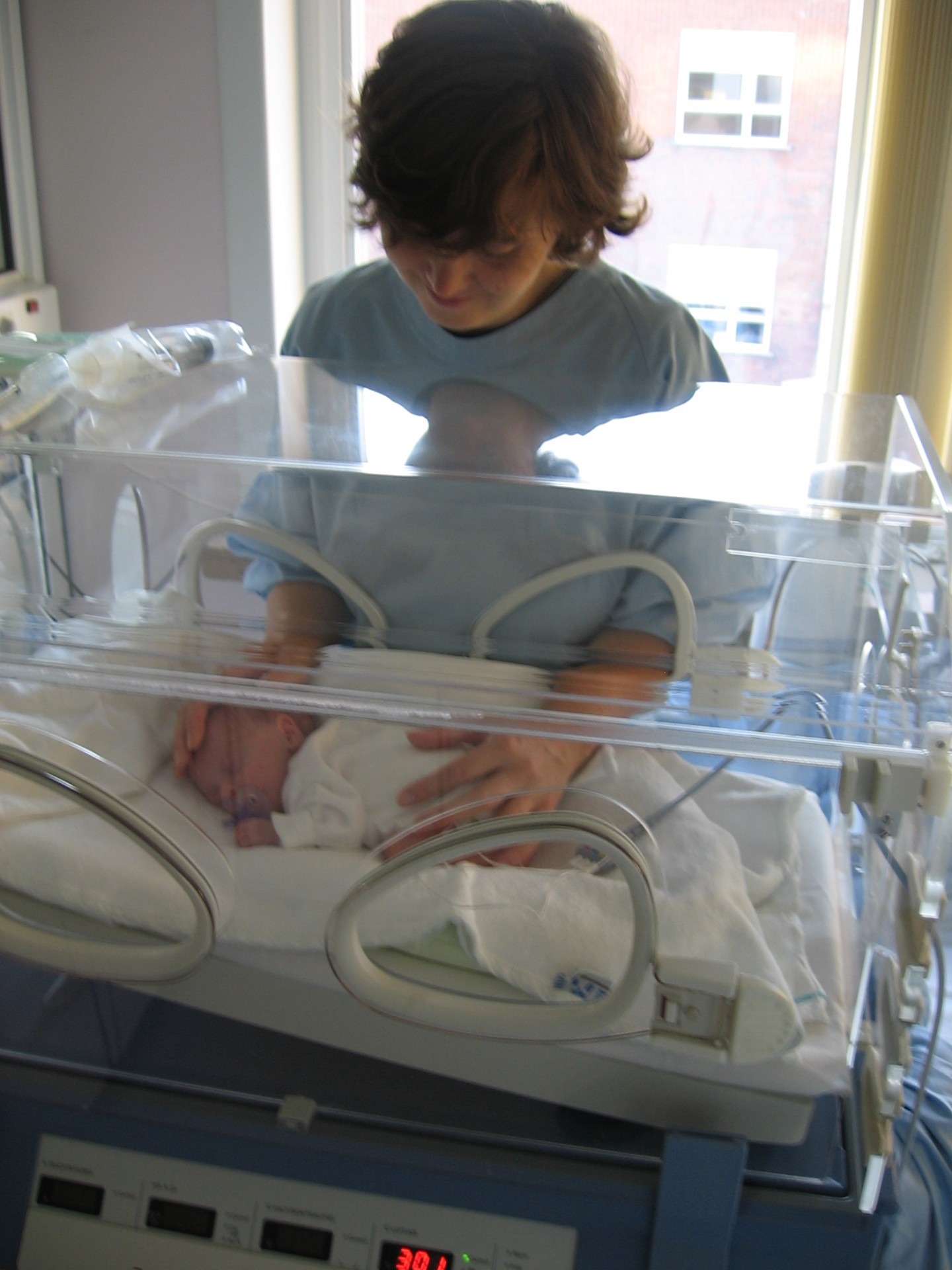
With premature babies facing lung problems, researchers with the Children’s Lung Health group are working to identify ways to improve the long-term impact.

Respiratory disease remains one of the most significant complications of preterm birth, with lasting consequences.

The world’s leading preterm scientists and doctors have joined forces to help give babies born very prematurely, the best possible life.
Preterm birth is increasingly recognised as adversely influencing lifelong lung function. This Series paper on prematurity-associated lung disease reviews studies reporting longitudinal lung function measurements in individuals who were born preterm. Evidence suggests that preterm birth alters lung function trajectories from early life onwards, with implications for future respiratory morbidity. We propose that this population needs rigorous follow up that should include systematic monitoring of lung function across the lifespan, starting in childhood.