
Search
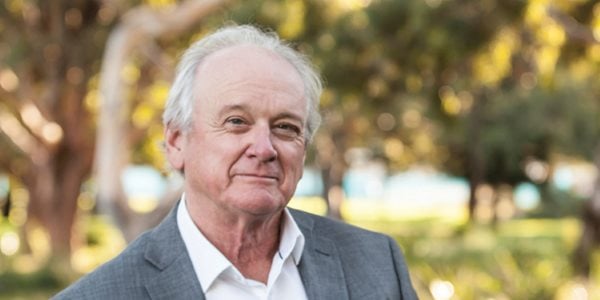
The Centre is currently involved in an international effort to develop revolutionary closed- loop 'artificial pancreas' technology. It is also leading a multi-centre Australian trial of these portable devices at home in young people with diabetes.
Besides the challenges associated with their teenage years, adolescents with Type 1 Diabetes (T1D) encounter additional challenges of having a chronic condition.
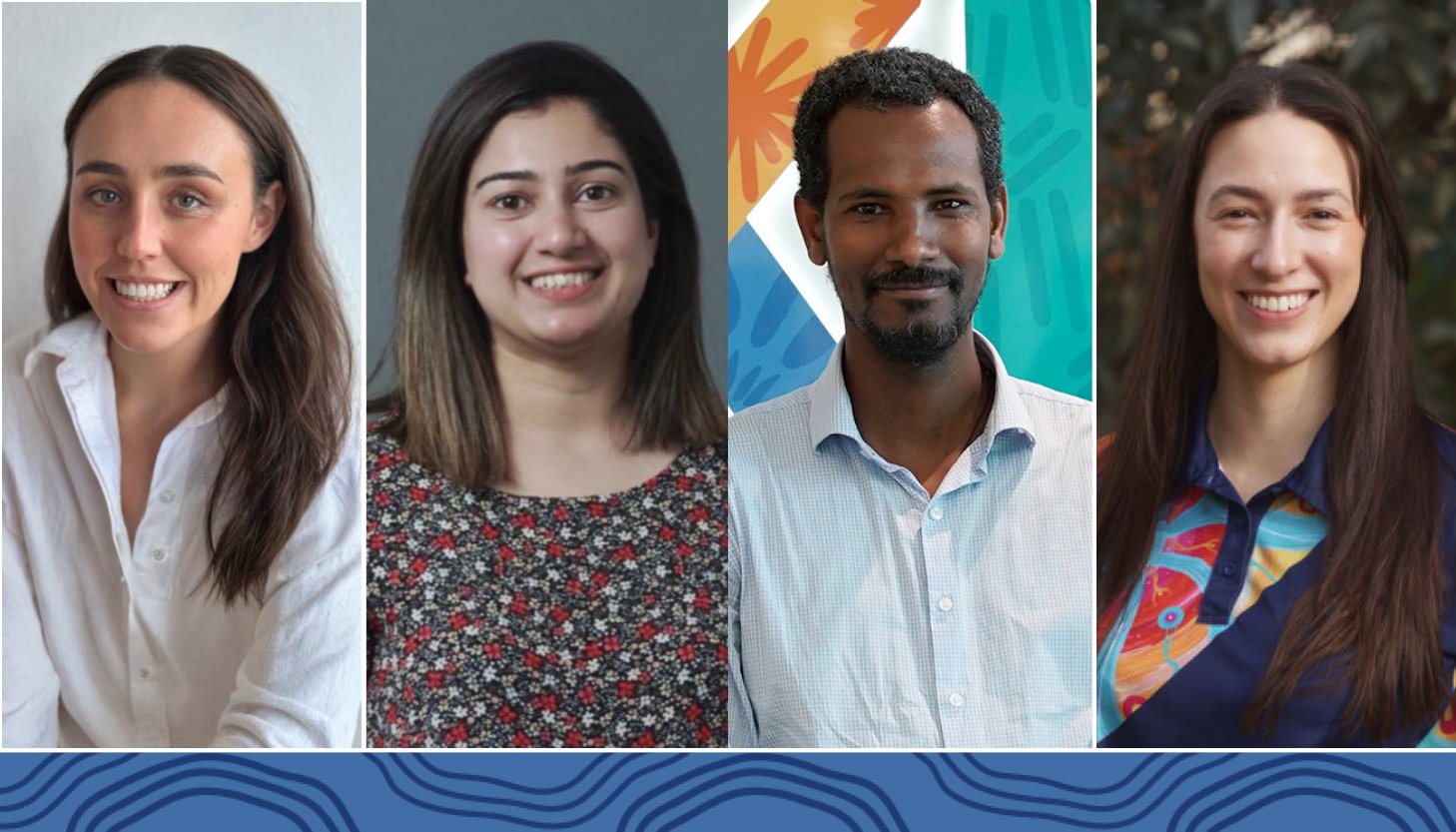
Congratulations to four outstanding early-career researchers from The Kids Research Institute Australia, who have been awarded BrightSpark Foundation fellowships and project funding for 2026.
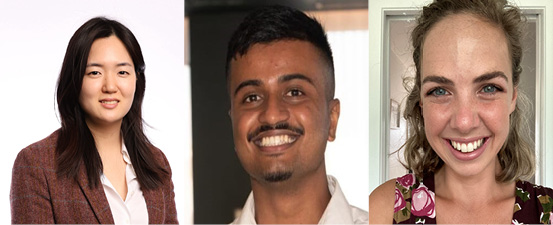
The Rio Tinto Children’s Diabetes Centre; a JDRF Global Centre of Excellence (the Centre), announces 2023 Round 2, Honours and PhD scholarships for students dedicated to type 1 diabetes (T1D) research.
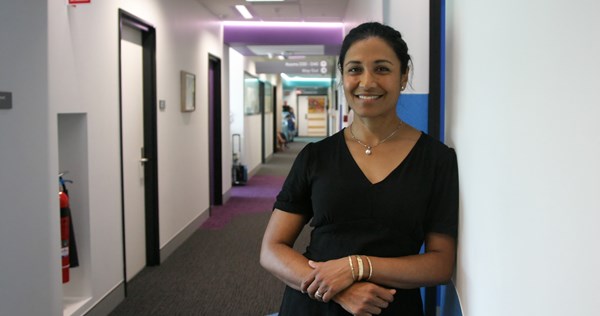
Researcher Spotlight - Dr Aveni Haynes
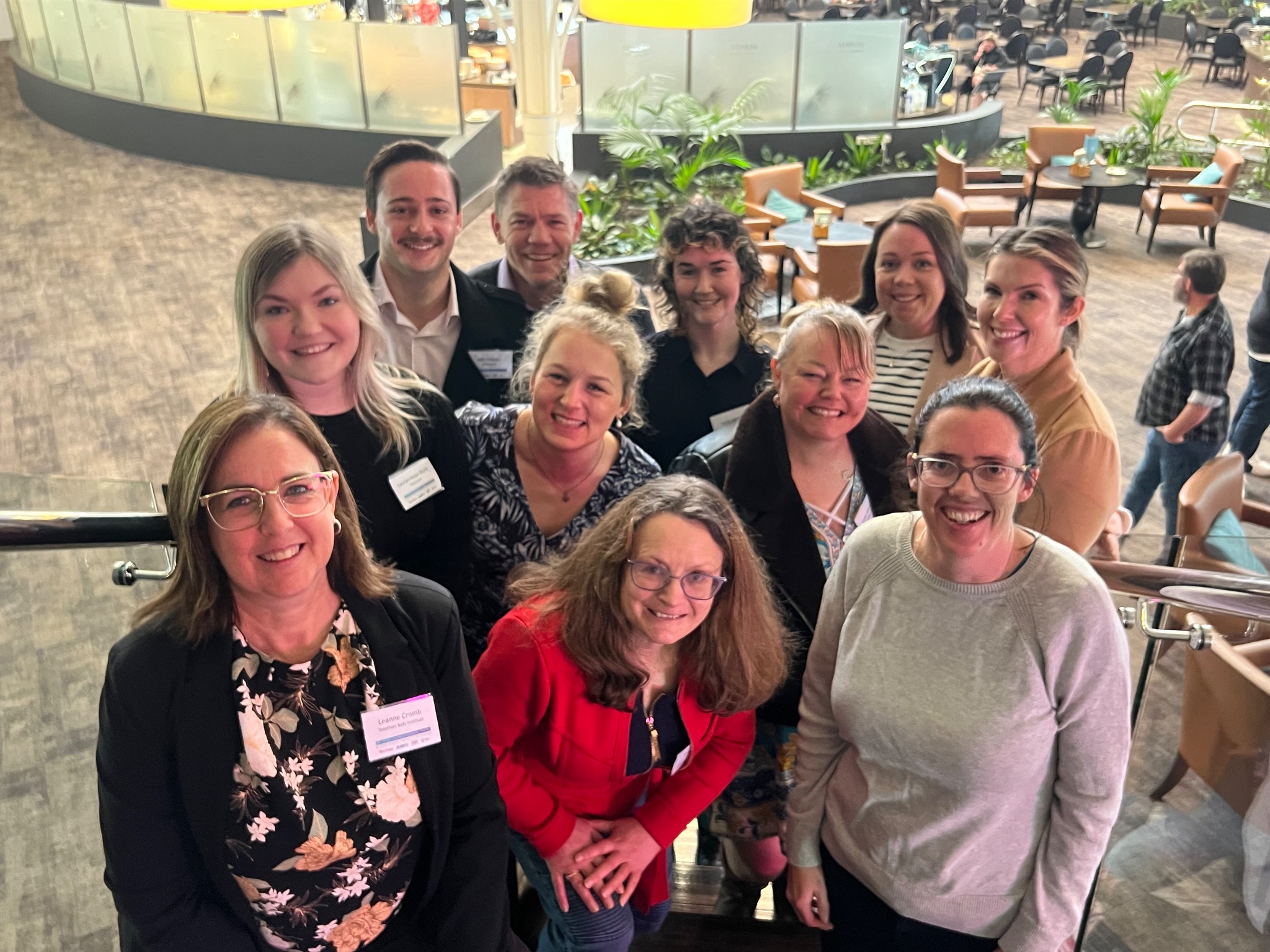
Ever wondered what a national committee does? Who can be a member and what they do?
The Centre aims to improve the lives of young people living with diabetes by encouraging new and innovative research, researchers and translation
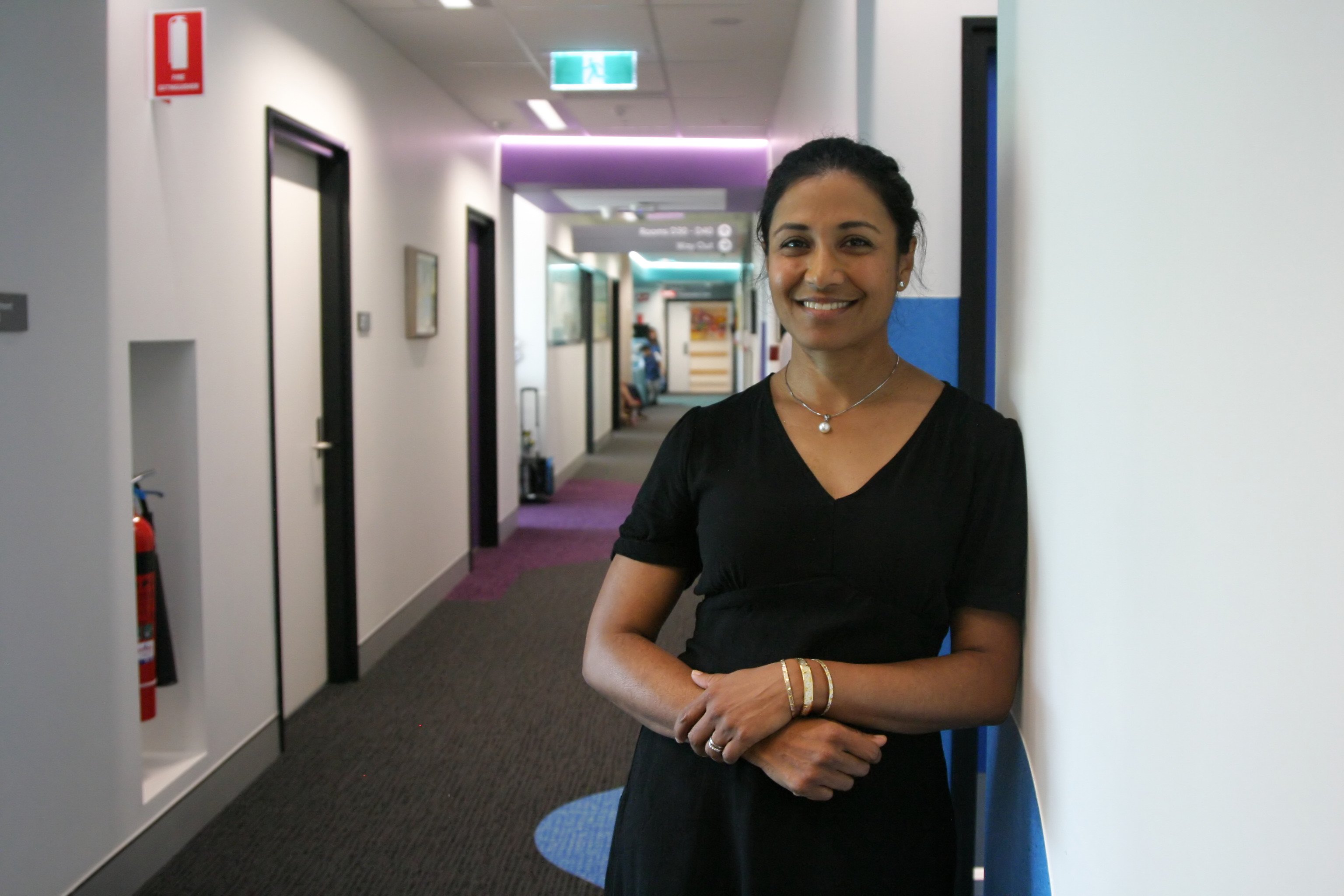
Congratulations to Principal Research Fellow Dr Aveni Haynes from The Kids Research Institute Australia and the University of Western Australia.

Diabetes researchers from The Kids Research Institute Australia and Perth Children’s Hospital are excited to be taking part in the national Insulin

The Rio Tinto Children's Diabetes Centre will soon launch a newsletter dedicated to informing the community, our global researchers and our