
Search
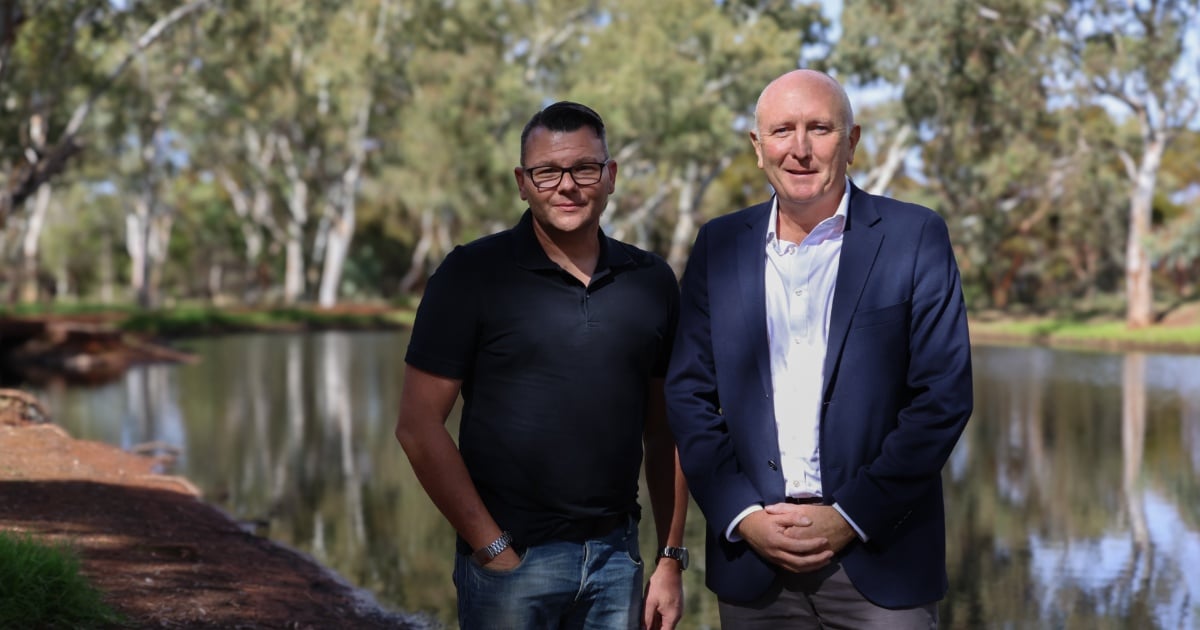
Scientists at The Kids Research Institute Australia are taking their fight against antibiotic- resistant superbugs to the Goldfields working alongside local Indigenous communities and councils.
For decades, cystic fibrosis (CF) meant a life shaped by daily treatments, frequent hospitalisations, and an uncertain future. The arrival of CFTR modulators has changed that picture dramatically, and researchers at the Wal-yan Respiratory Research Centre now want to understand the bigger picture.
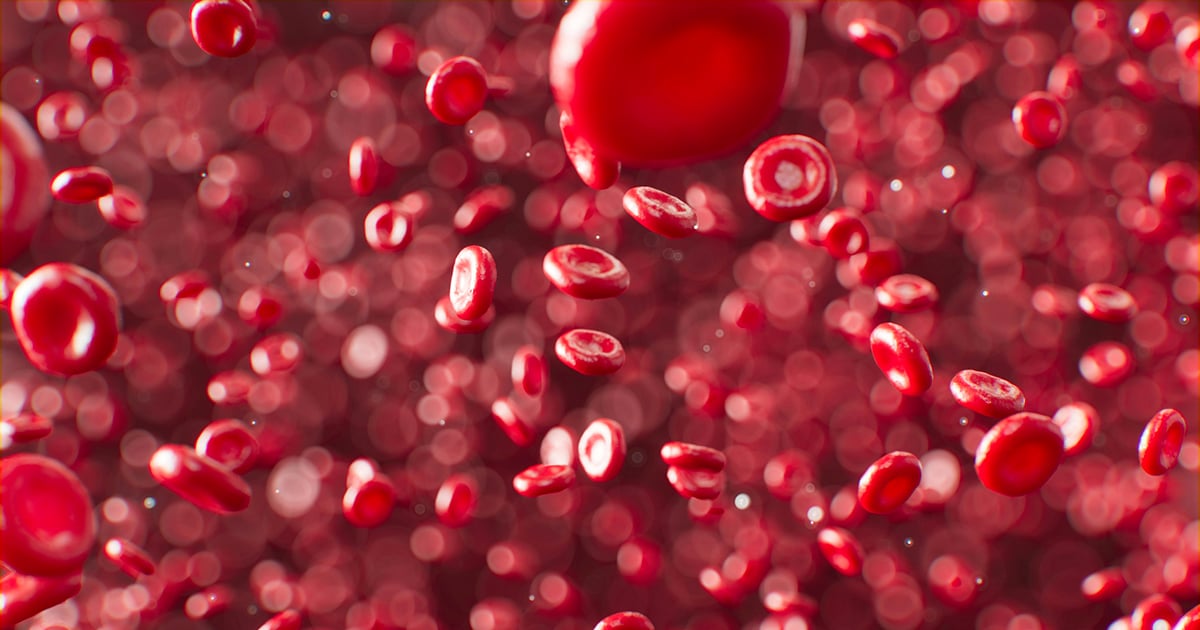
Rising carbon dioxide levels are being detected within the human body, with new research warning a key blood marker for the gas could near its healthy limit within decades if current trends continue.
Researchers developing a world-first treatment that targets an underlying cause of asthma have secured a $499,640 grant from the Future Health, Research and Innovation Fund – Innovation Seed Fund.
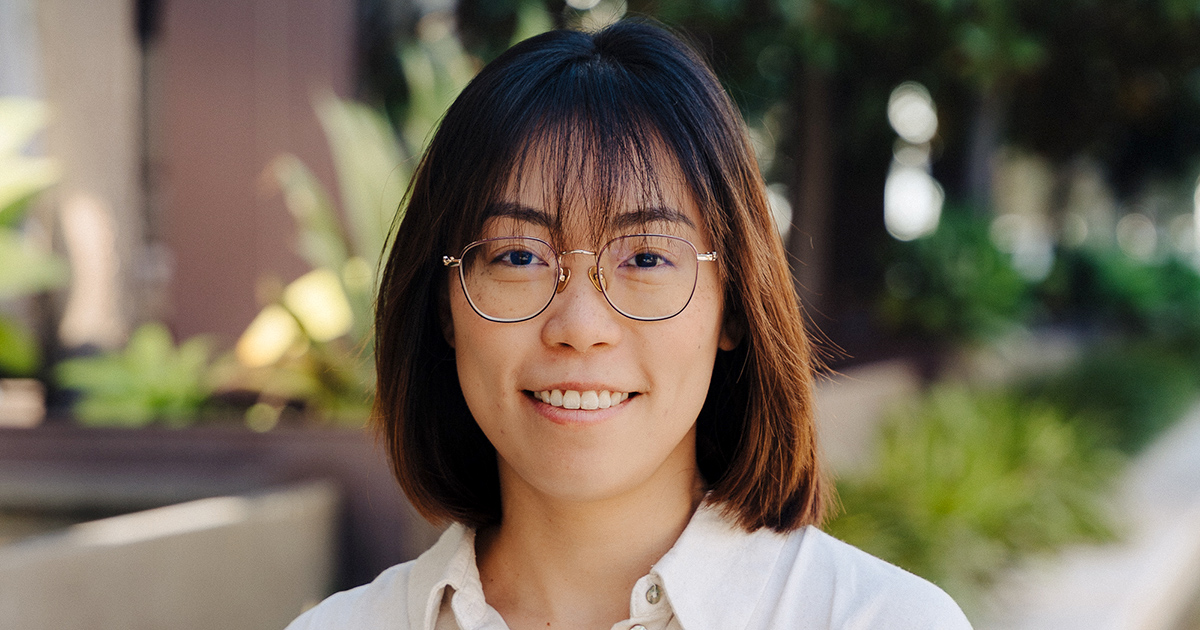
Dr Renee Ng, a microbiologist specialising in bacteriophage therapy – an alternative to antibiotics to fight antimicrobial resistance – will travel to the world’s premier conference on viruses, bringing new ideas, connections and expertise back to Perth.
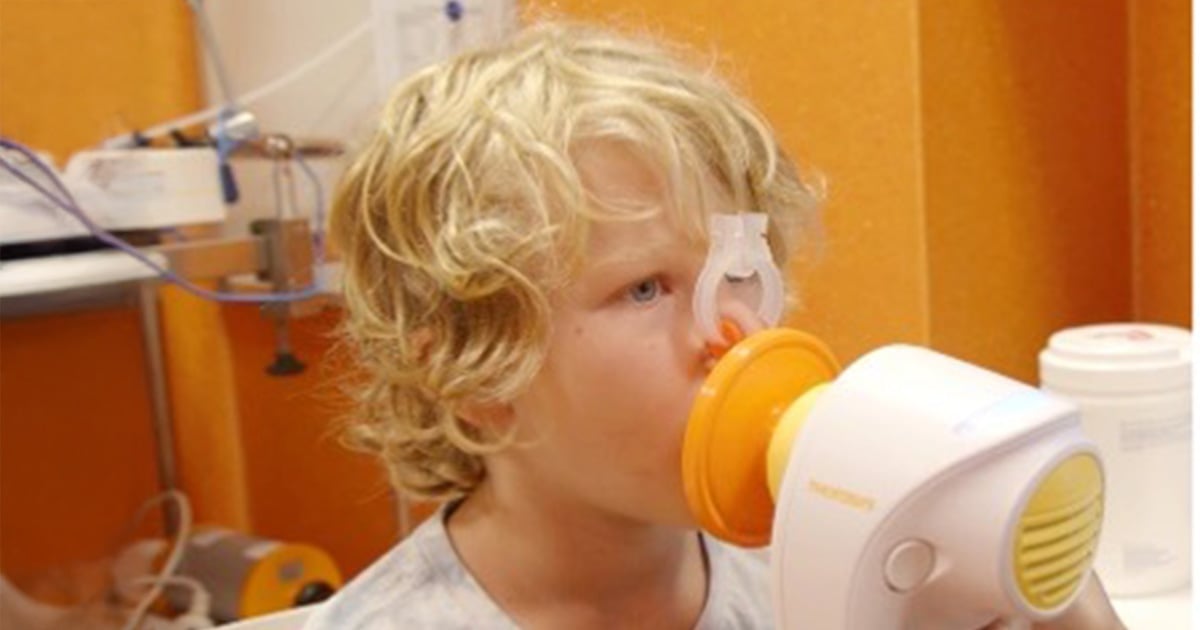
New hope is on the horizon for people living with cystic fibrosis.
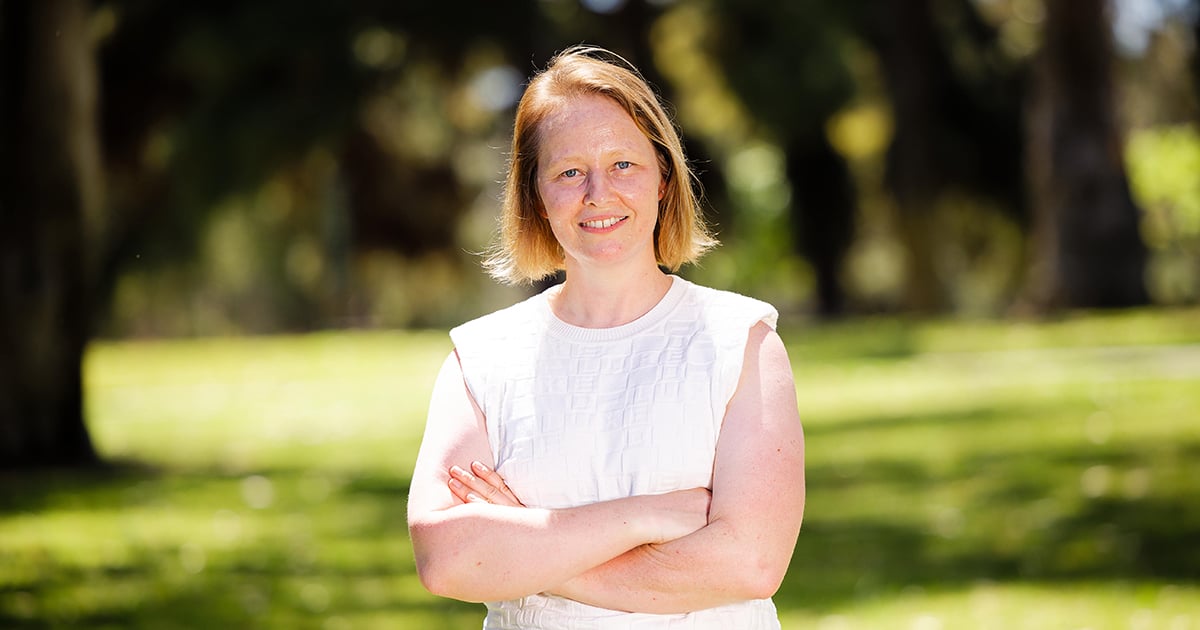
A ground-breaking global clinical trial to improve the lifelong lung health of children born extremely prematurely has been awarded a Medical Research Future Fund (MRFF) International Clinical Trials Collaborations Grant totalling almost $3 million.
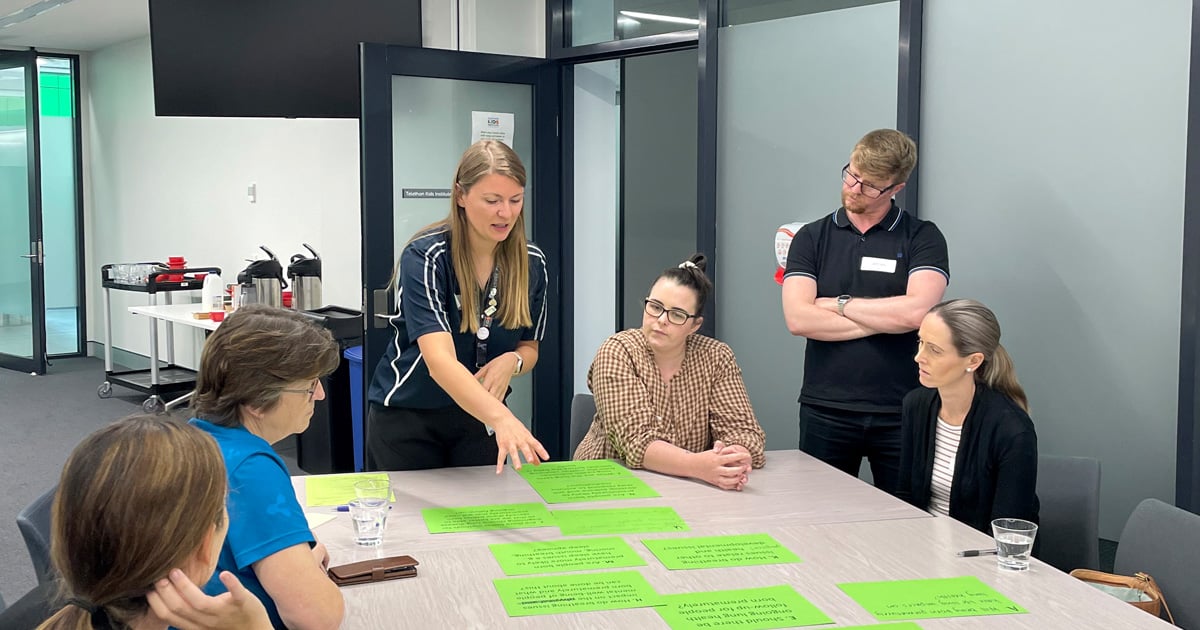
Respiratory disease remains one of the most significant complications of preterm birth, with lasting consequences.
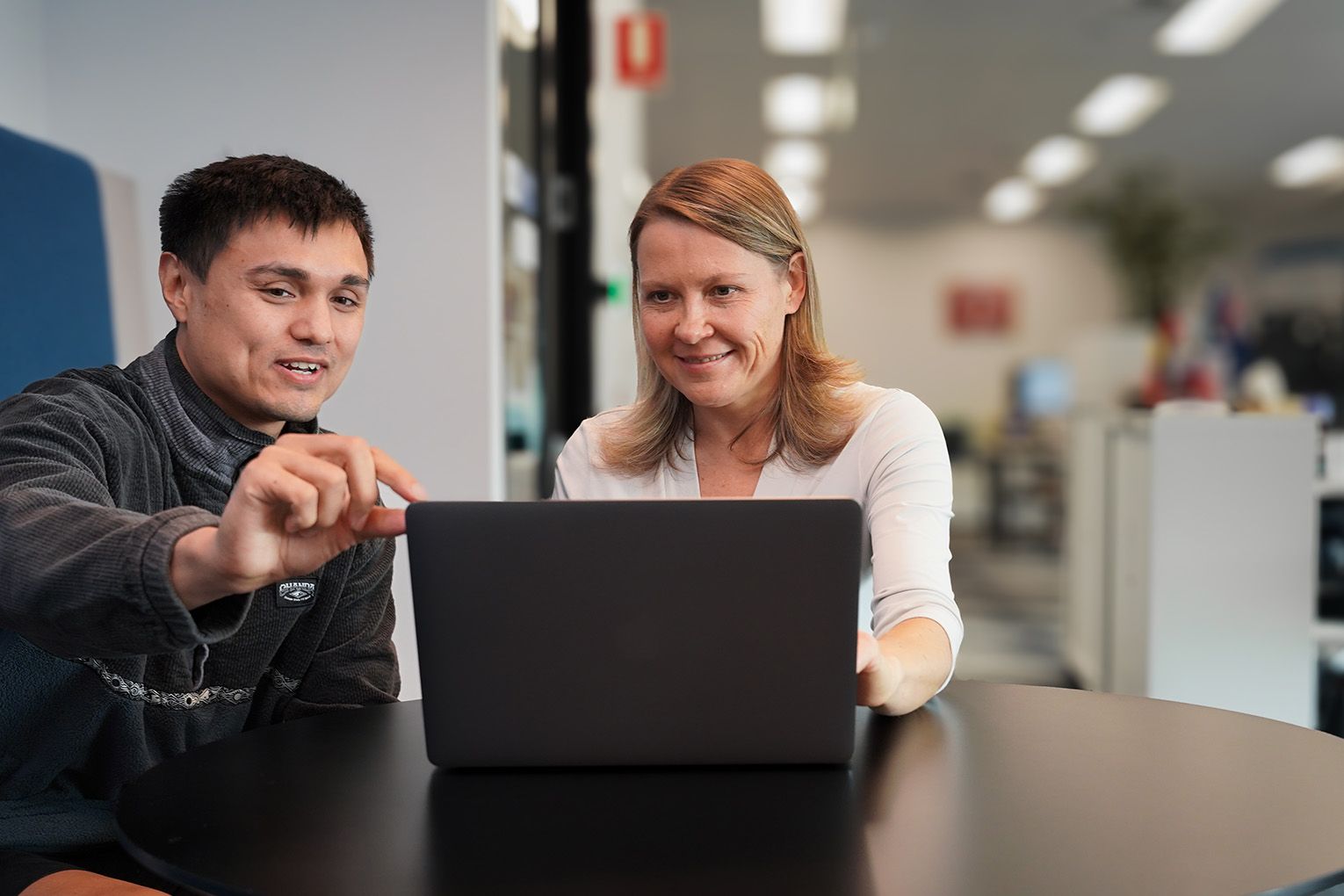
Wal-yan researchers have been awarded $500,000 for their innovative research, supported by the Western Australian Government’s Future Health Medical Research and Innovation (FHRI) Fund.
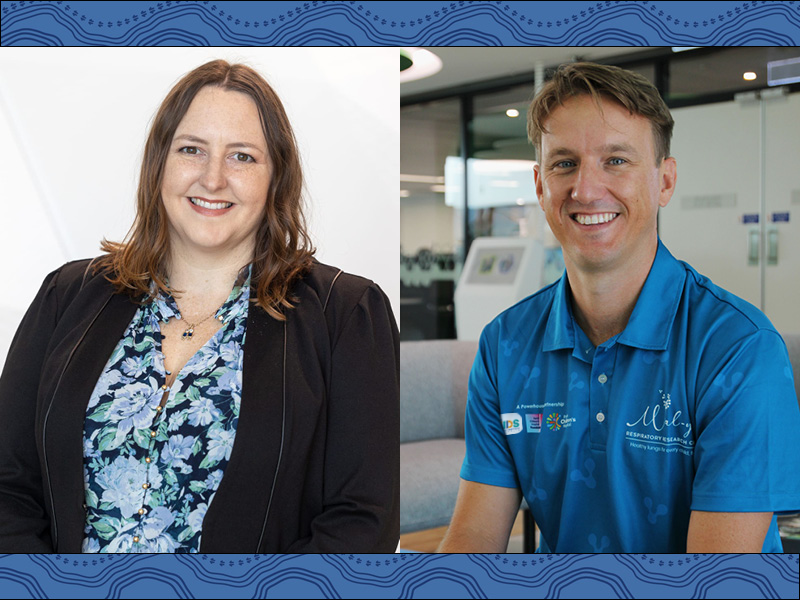
Two projects led by The Kids Research Institute Australia have been awarded more than $2.5 million to fund innovative ideas focused, respectively, on combating persistent ear infections and investigating how dangerous fungi invade the bodies of immunocompromised people.