
Search
Research
Understanding and optimising gratitude interventions: the right methods for the right people at the right timeGratitude has consistently been associated with various beneficial health-related outcomes, including subjective wellbeing, positive mental health, and positive physical health. In light of such effects, positive psychology researchers and practitioners have often implemented gratitude interventions in an attempt to build individuals' orientations toward appreciation and thankfulness. Recent meta-analyses and reviews have revealed, however, that these interventions often have mixed effects on gratitude or other health outcomes.
Research
Longitudinal effects of dog ownership, dog acquisition, and dog loss on children’s movement behaviours: findings from the PLAYCE cohort studyRegular physical activity is important for children's physical and mental health, yet many children do not achieve recommended amounts of physical activity. Dog ownership has been associated with increased physical activity in children, however, there have been no longitudinal studies examining this relationship.
Research
Adaptations to scale-up an early childhood education and care physical activity intervention for real-world availability — Play ActiveAdaptations for scale-up are ubiquitous but are rarely described in detail. Adaptations may be a key reason for the "scale-up penalty" which is when there is a reduction in intervention effect size following scale-up. The Play Active intervention consists of a physical activity policy for early childhood education and care (ECEC) services, with accompanying implementation support strategies.
Research
Exercise Sensations During Moderate-Intensity Heart-Rate-Clamped Cycling in Graded Hypoxia: A Qualitative ApproachTo explore how graded hypoxia affects perceptual sensations during heart-rate-clamped cycling using qualitative methods.
Research
Improving sport opportunities, participation, and experiences for children in out-of-home care: A mixed-methods studyParticipation in sport is associated with a range of physical, psychological, and social benefits. However, children in out-of-home care face complex barriers to sport participation, with lower participation rates than children in other household arrangements.
Research
Testing campaign slogans designed to motivate older people to be more physically activeBeing physically active is critical for healthy ageing, yet many older people do not meet physical activity guidelines. The aim of this study was to test the relative effectiveness of five previously identified campaign slogans designed to encourage older people to be more physically active: 'Be active 30-60 minutes a day to stay fit and well'; 'Move more, live longer'; 'Stay fit to stay functional'; 'This is your time - enjoy being strong and active'; and 'Use it or lose it'.
Research
The Role of Grandparents in Facilitating Children’s Physical ActivityResearch suggests there is considerable opportunity to improve children's movement behaviors while they are being cared for by their grandparents. An understanding of the extent to which grandparent practices facilitate children's engagement in physical activity is critical to the development of health interventions targeting grandparent caregivers.
Research
Playful BytesNurturing children's health together: A collaboration between early childhood education and care (ECEC) educators and parents on active play and eating well
News & Events
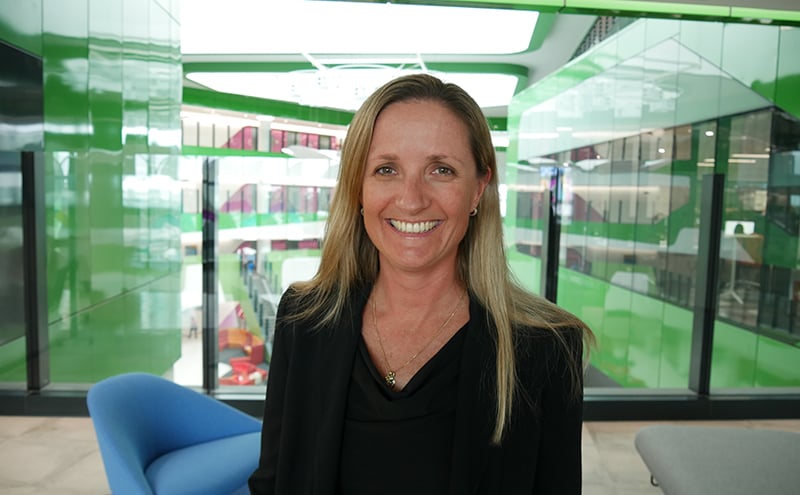
Up and at ’em: The Kids physical activity researcher named a WA Young Tall PoppyA The Kids Research Institute Australia researcher focused on promoting more active childhoods to improve child health and wellbeing will be named amongst WA’s most outstanding young scientists at the upcoming 2020 Young Tall Poppy Science Awards.
News & Events
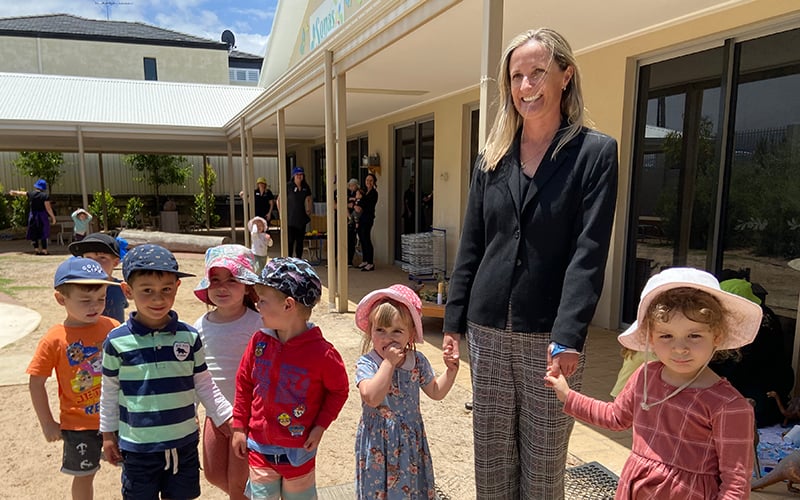
Childcare centres urged to adopt new policy to boost kids’ physical activityChildcare centres will be invited to help boost children’s physical activity levels by signing on to a new program which commits them to creating more opportunities for physical activity.