
Search
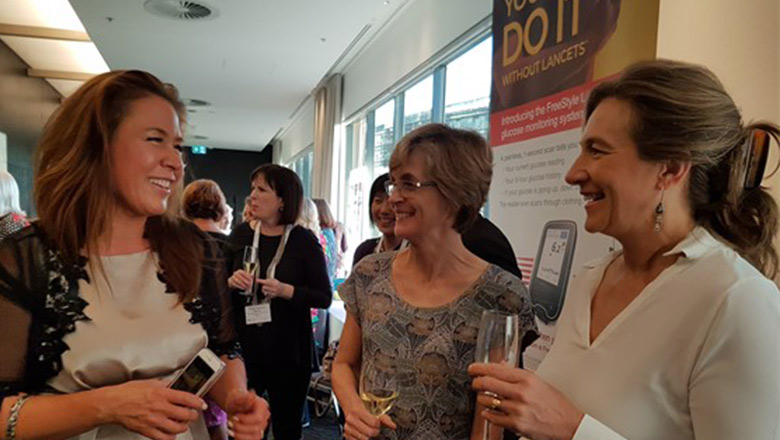
Last month, our Centre's co-Director Liz Davis, attended the National Association of Diabetes Centre's (NADC) Symposium in Sydney.
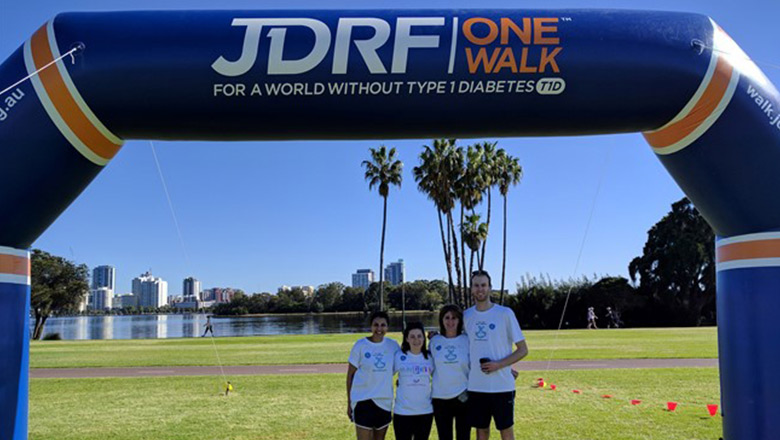
Patients, families and our centre staff members took part in JDRF's One Walk last October to raise funds for type 1 diabetes research.
Research has shown that no matter where our patients reside in WA, whether it be remote or metropolitan based, the ongoing management of diabetes is the same.
You may have heard we're moving to our new home at Perth Children's Hospital later this year, sadly this means we've had to cancel our camps.
Join us in Western Australia's first home-based study looking at the effect of sprinting during exercise in Type 1 Diabetes.
The Diabetes Research Team is requesting donations of old iPhones for a new study investigating the effect of real time CGM on every day diabetes management.
We are looking to create exciting new online resources for our families to utilise, which will include how-to videos, as well as patient perspective interviews.
We can work together during normal appointments to make sure prescriptions are written, so please ask us if you need a prescription during clinic time.

Here's a brief guide on how to apply for insulin pump therapy.

Whether you are going for your first job since being diagnosed with diabetes, or going back to work with diabetes, there are a few things to consider.