
There is a lack of digital gatekeeper resources developed for parents to assist them in recognising and responding to mental health problems in their…
University students face obstacles while pursuing their goals, and these challenges risk undermining their mental health. Goal flexibility has been i…
Hand burns are a key criterion for immediate referral to tertiary burn centres in Australia, New Zealand, and internationally, yet few studies have e…
Vaccine mandates were widely implemented against COVID-19, and a large and multidisciplinary literature has emerged as a result, covering fields such…
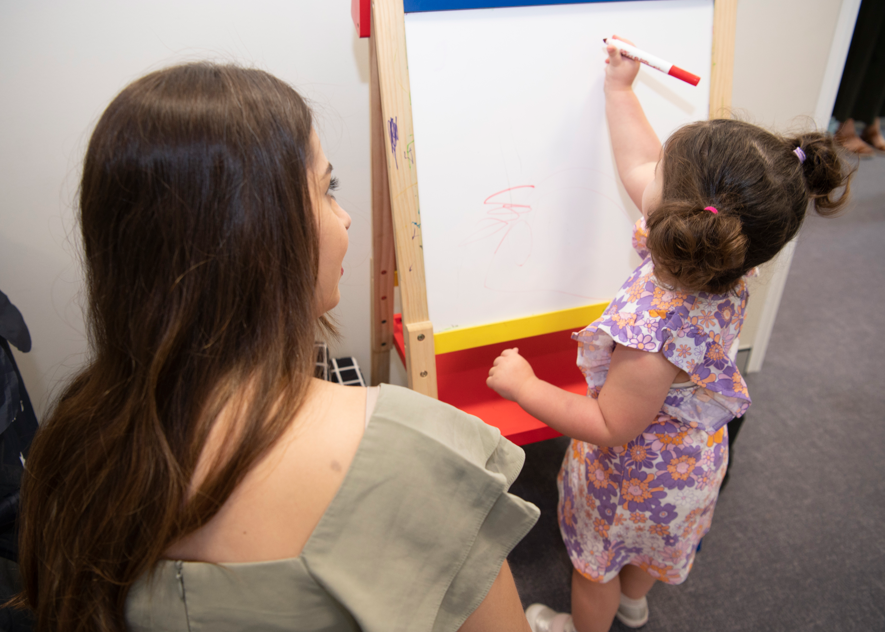
David Trembath, Head of Autism Research and Senior Principal Research Fellow, at The Kids Research Institute, explains why developmental screening is…

Deputy Director Andrew Whitehouse and Head of Autism / Senior Principal Research Fellow, David Trembath explore how the evolving definition of autism…

In this article, Deputy Director of the Kids Research Institute Australia, Andrew Whitehouse explores why diagnosis rates have risen and what propose…
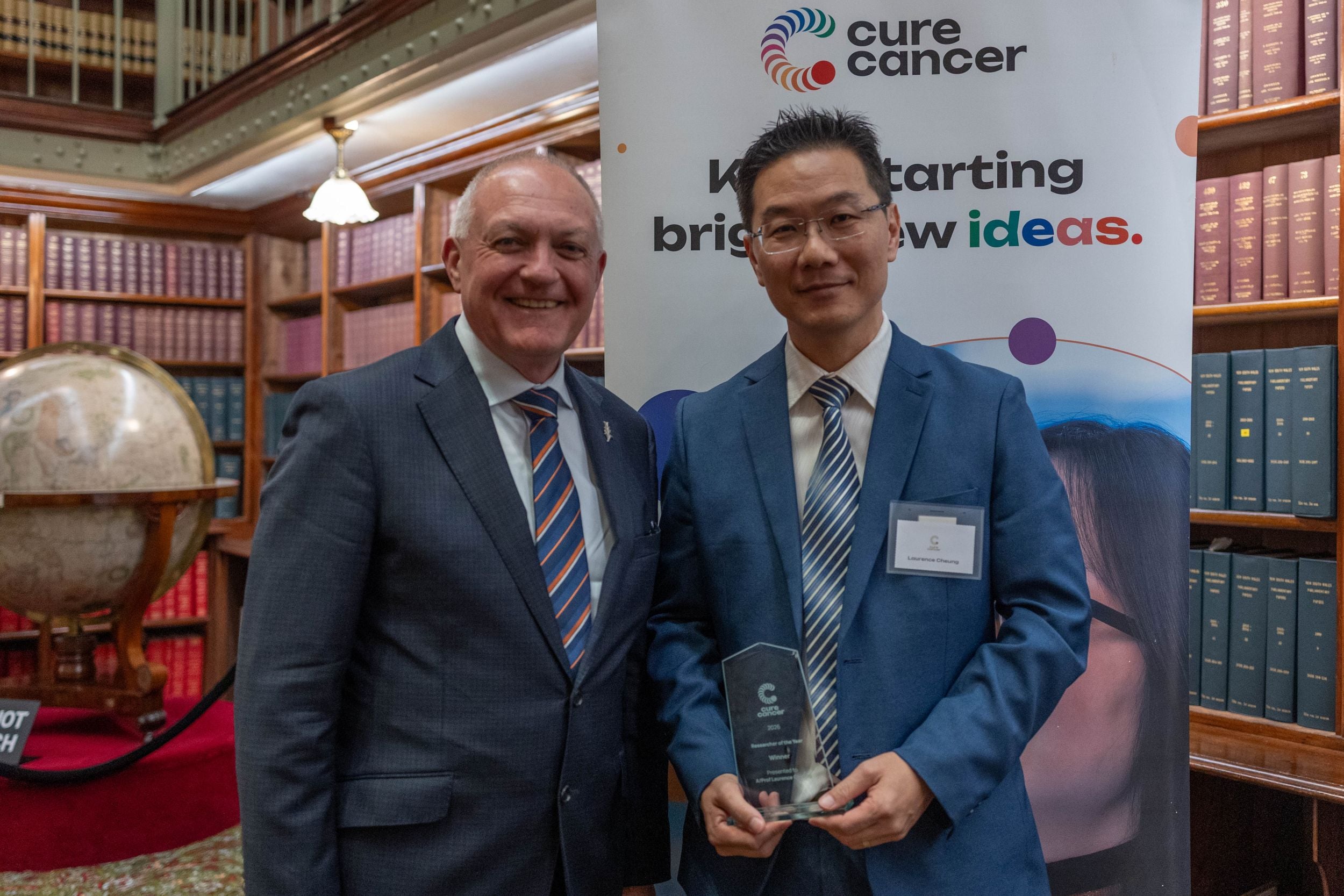
A leading WA cancer researcher has been named the Cure Cancer 2026 Researcher of the Year for his groundbreaking work in paediatric leukaemia.
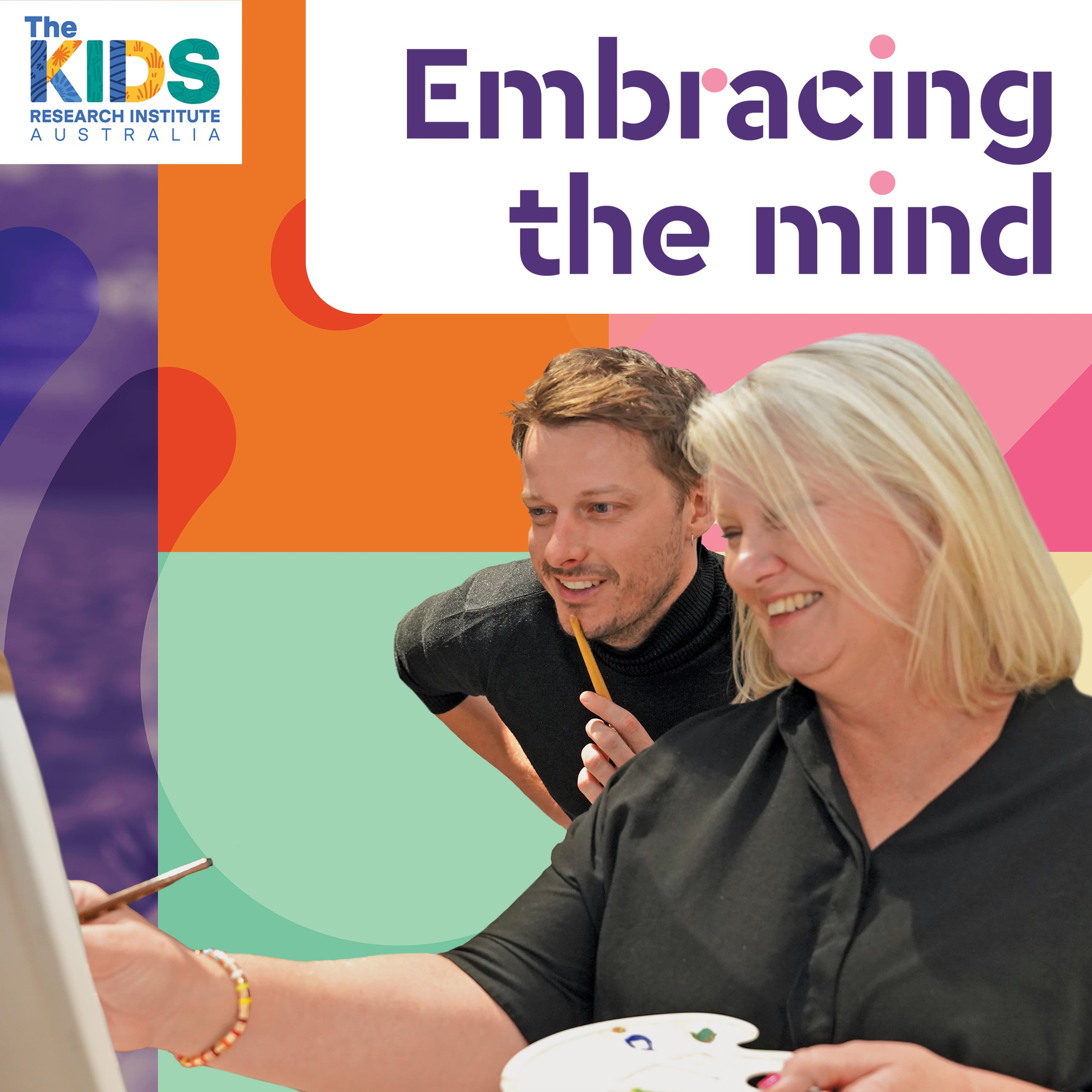
The newly-released fourth season of Embracing the Mind paints a picture of the connection between creativity and wellbeing.

Rhianna Kidd is the Marketing and Events Coordinator at CliniKids.