
Most support programmes for Autistic children are available only after they are diagnosed. Research suggests that parenting supports may be helpful f…
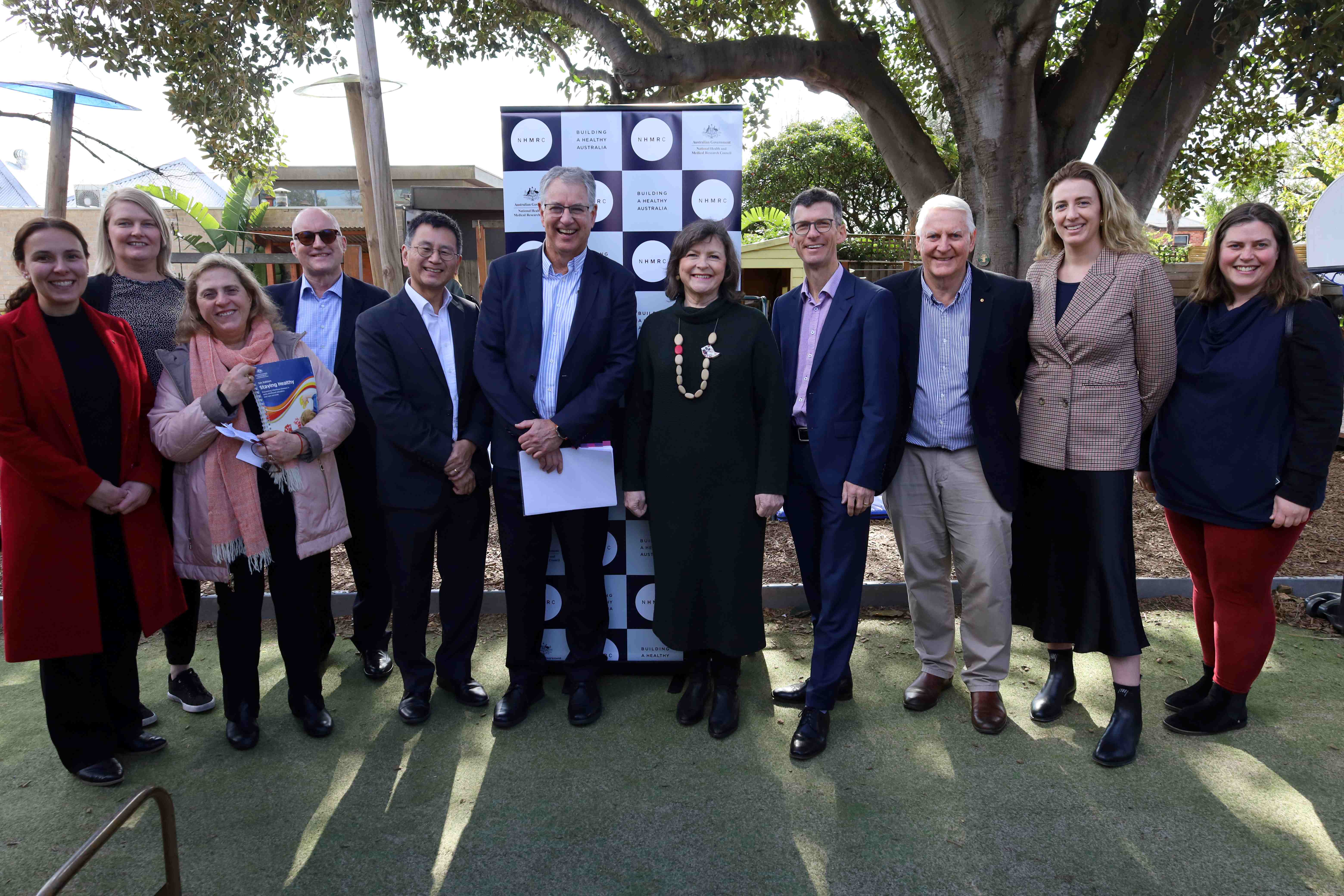
The National Health and Medical Research Council (NHMRC) has launched their sixth edition of Staying healthy: Preventing infectious diseases in early…
Embrace 2024 Research Award winners Associate Professor Yael Perry, Julia Bak, and Dr Helen Morgan (not pictured: Jacinta Freeman and Oliver Keane).
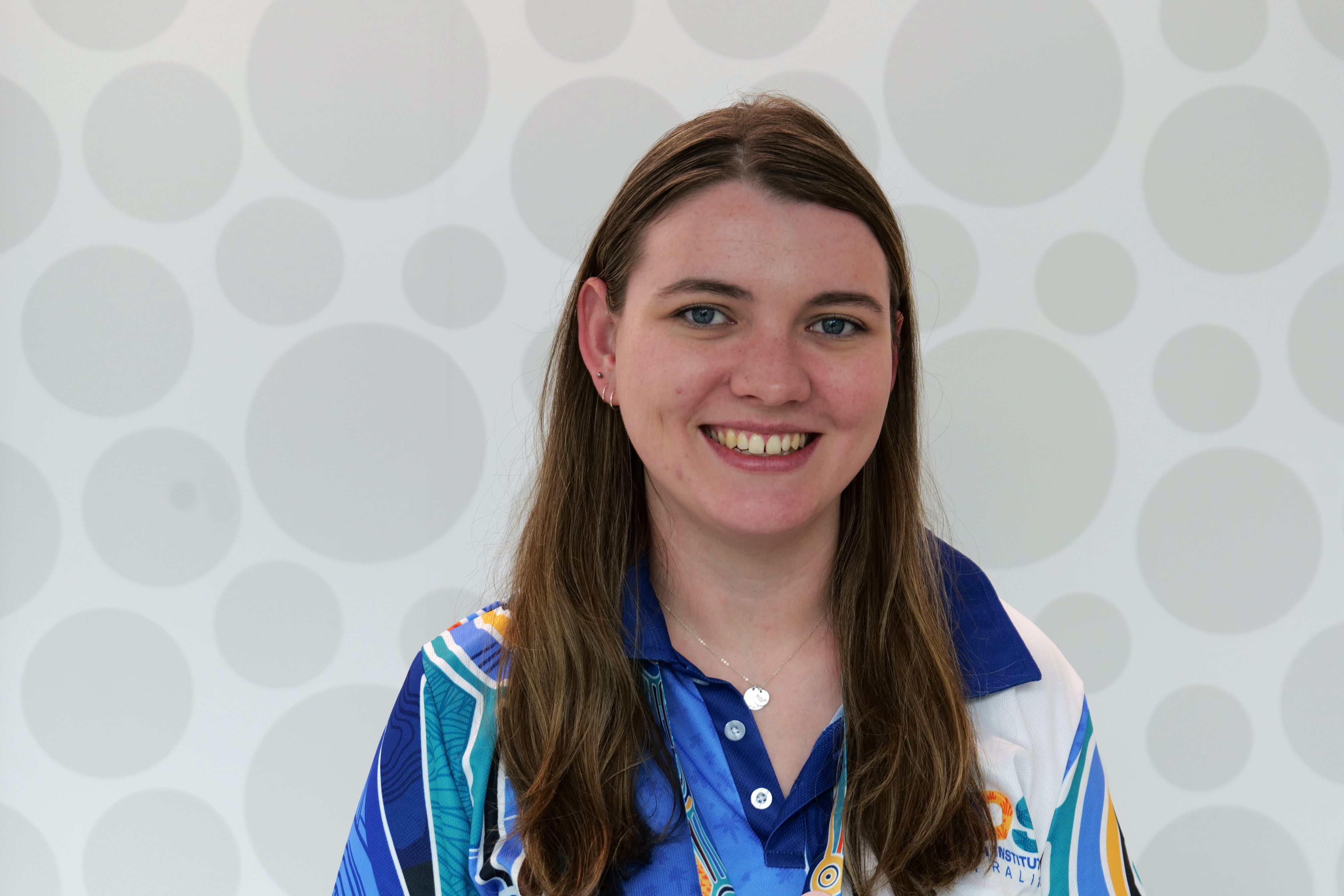
Felicity Pheasant is a Project Officer for Embrace at The Kids Research Institute Australia.
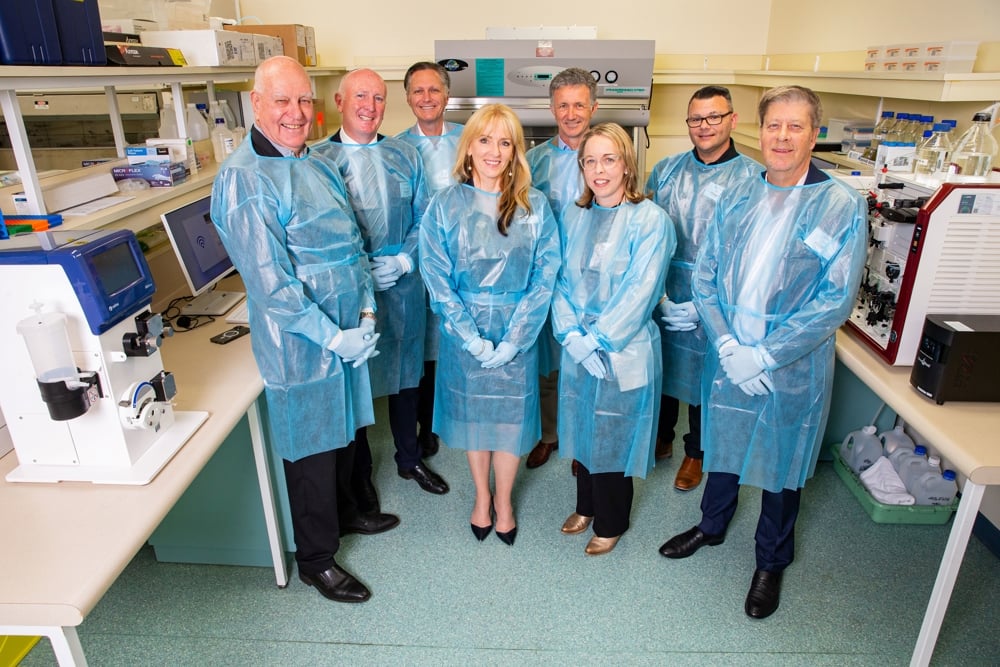
Patients battling antibiotic-resistant superbugs will soon have access to life-saving WA-made therapies that could help treat lung, skin and ear infe…
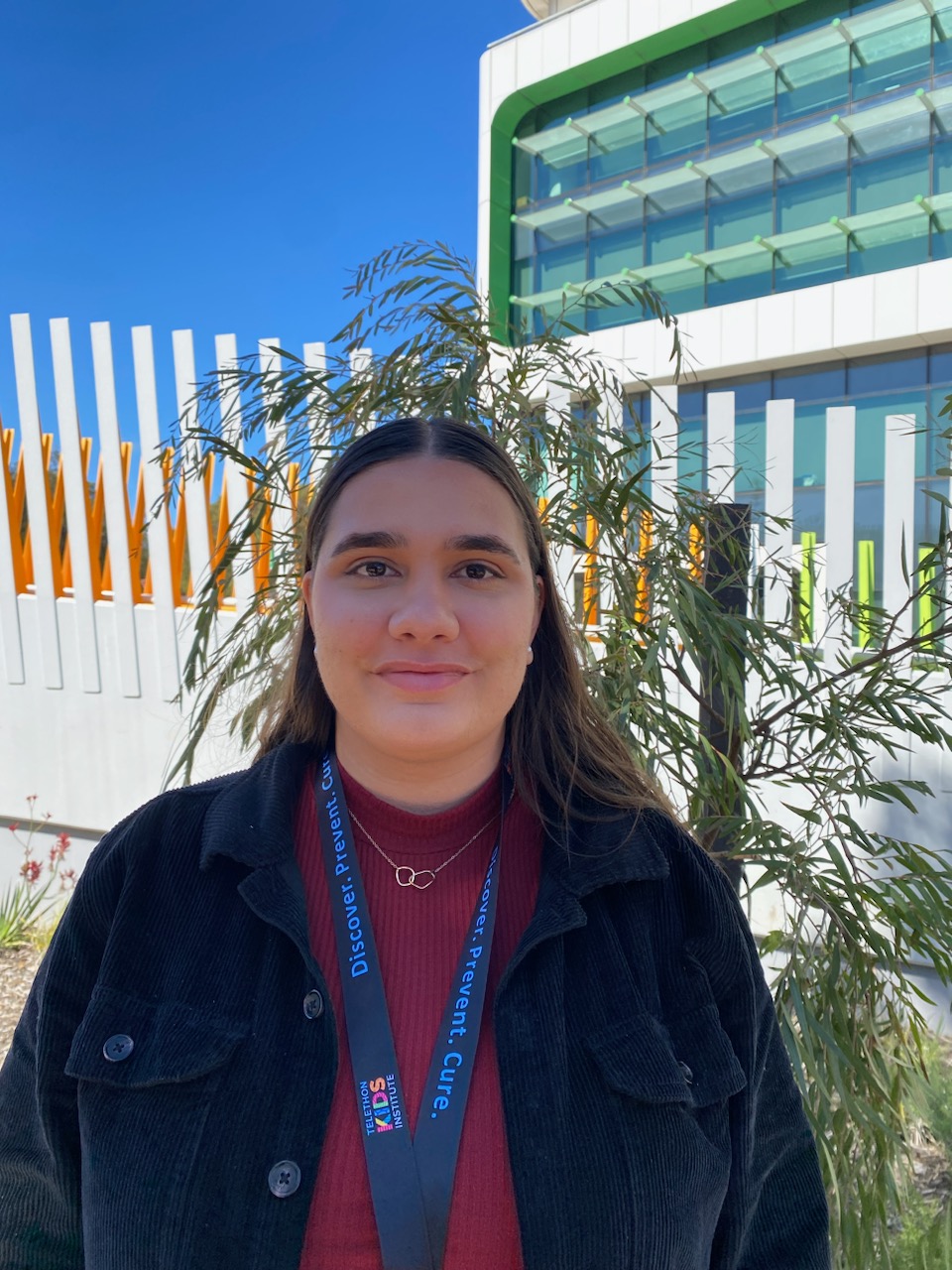
Bek Morrison is an Aboriginal Project Officer in the Healing Kids, Healing Families team at The Kids Research Institute Australia.
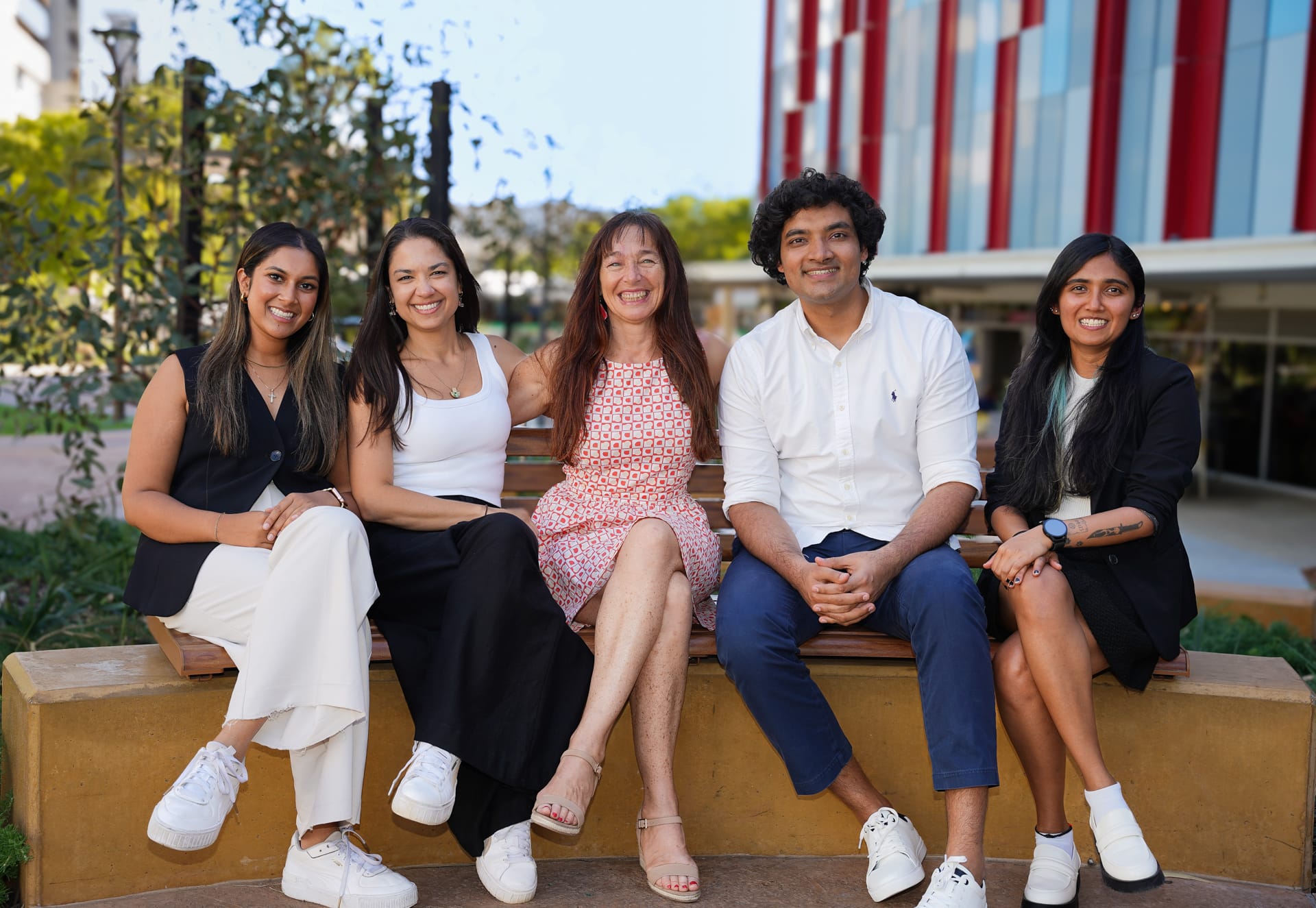
In celebration of World Breastfeeding Week (August 1-7), we're thrilled to share our latest research that's revolutionising our understanding of brea…
Event-free survival considers other adverse events in addition to mortality. It therefore provides a more complete understanding of the effectiveness…
This article explores how relational approaches to policymaking across multiple levels and sectors of society might enable transformative climate jus…
CDKL5 deficiency disorder presents as a challenging condition with early-onset refractory seizures, severe developmental delays, and a range of other…