
Search
Information on presence and age at onset of seizures, perinatal and developmental history, and genetic status was abstracted on 275 cases in the Australian...
Scoliosis is a common clinical manifestation of Rett syndrome, a neurodevelopmental disorder that almost exclusively affects girls.
To examine the prevalence, cumulative incidence, and survival in an Australian cohort with Rett syndrome (RTT).
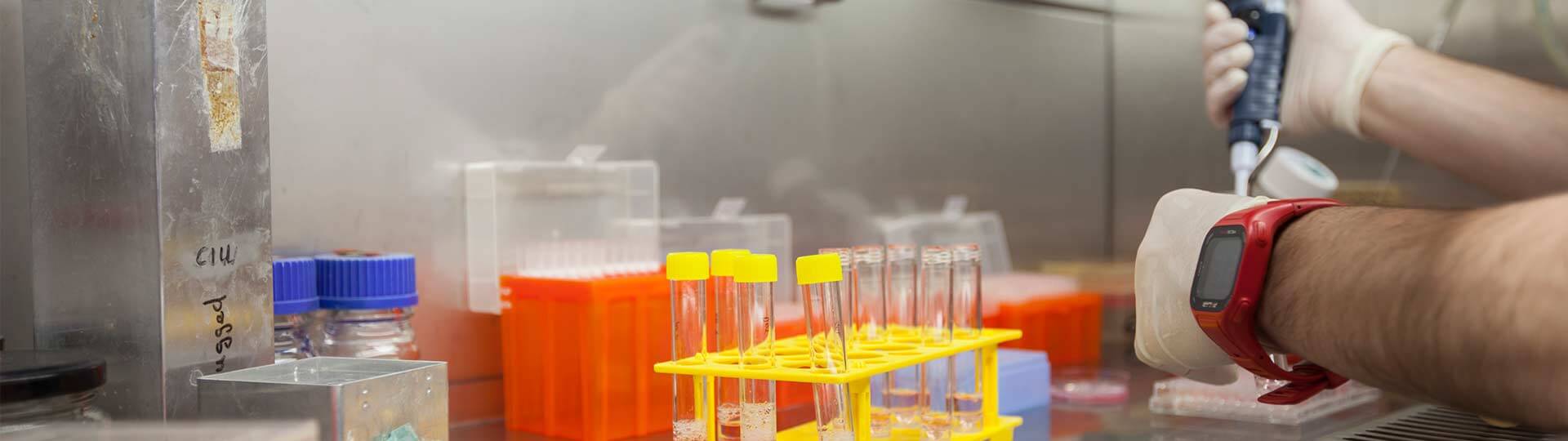
At The Kids Research Institute Australia, we pride ourselves on conducting research to the highest standards possible. See our Research Governance process in more detail.
We believe the way we reward research excellence is better than anywhere in the nation. Find out about the ways The Kids Research Institute Australia rewards our researchers.
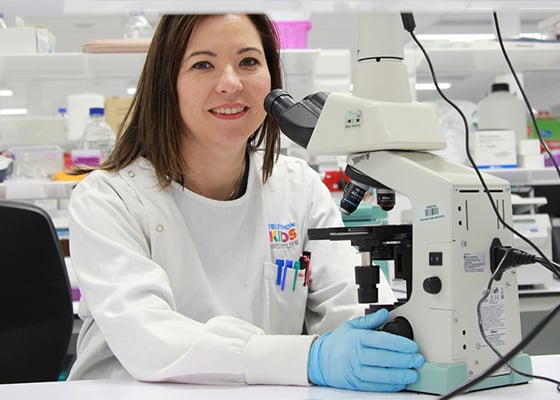
We identify, develop and commercialise the technologies and innovations developed by our scientists and clinicians.
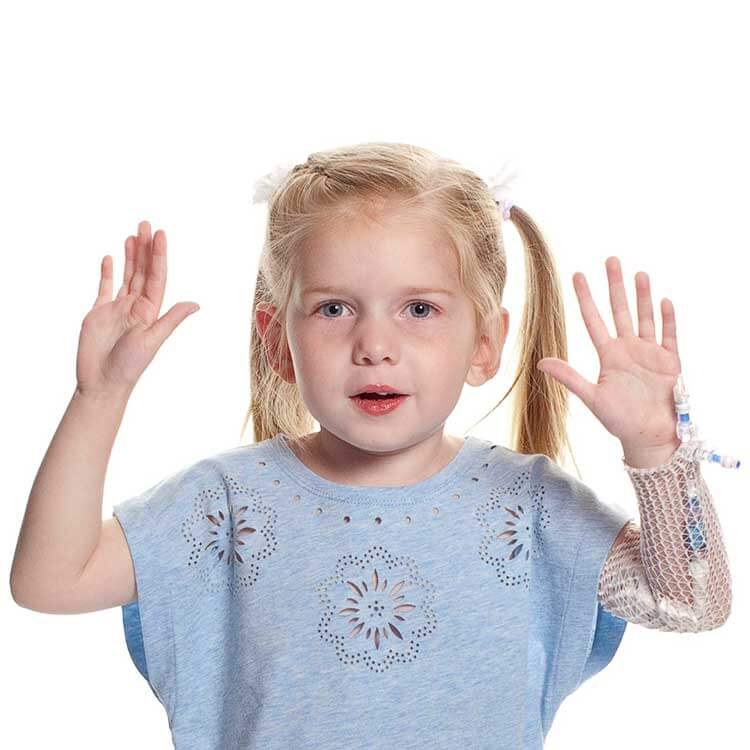
The Advancing Innovation in Respiratory (AIR) Health Team is a multi-disciplinary group with skills in clinical medicine, physiology, psychology, and in cellular and molecular biology, that are committed to improving the lives of children with respiratory diseases and their families.
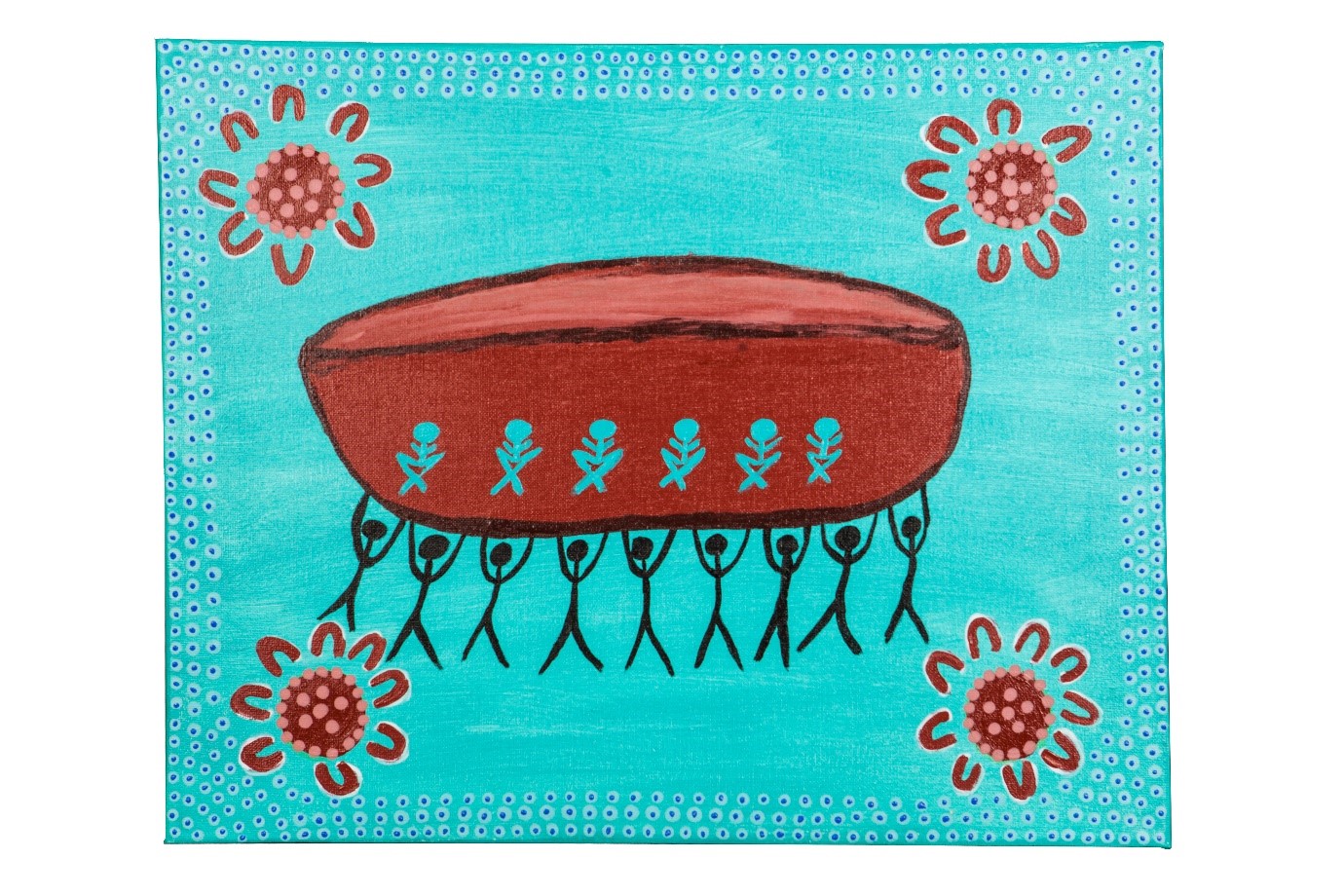
Brings the Aboriginal community(s) of Perth together with service providers & policy makers to improve outcomes for Aboriginal kids and their families.
Findings from the Ngulluk Koolunga Ngulluk Koort (Our Children, Our Heart) Project community forums and focus groups.
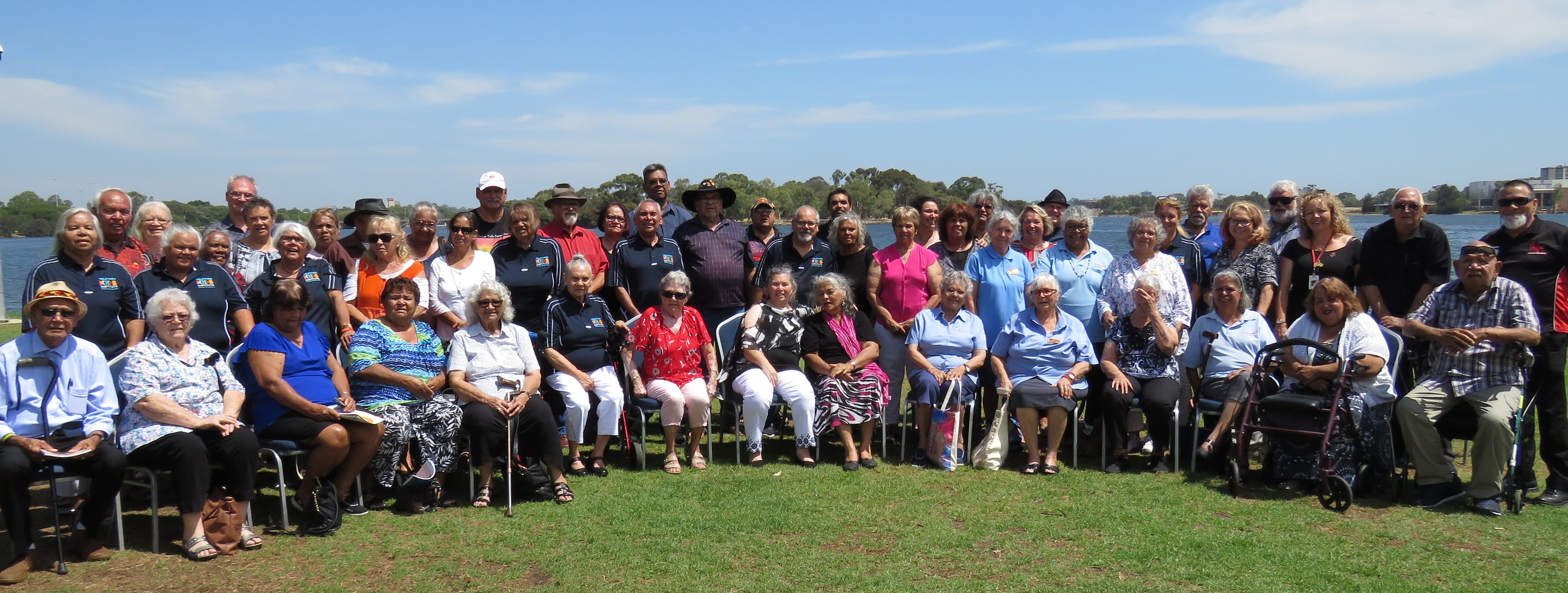
Community engagement for the Ngulluk Koolunga Ngulluk Koort (Our Children, Our Heart) Project.