
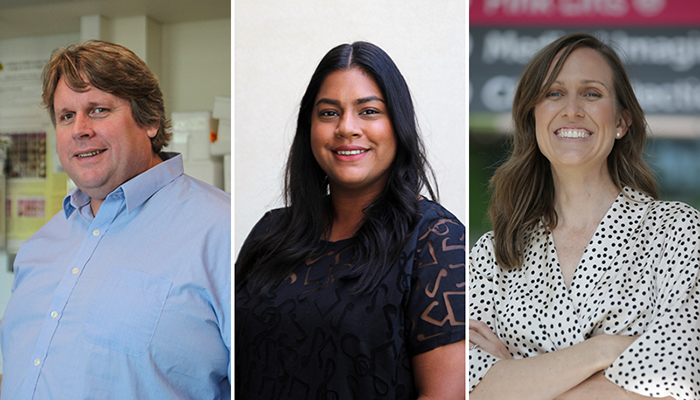
The Kids Research Institute Australia researchers have been awarded 12 of 16 grants under the latest round of funding from the WA Child Research Fund

Young people and their families have teamed up with youth mental health providers and researchers to deliver a report which tackles youth suicide in…
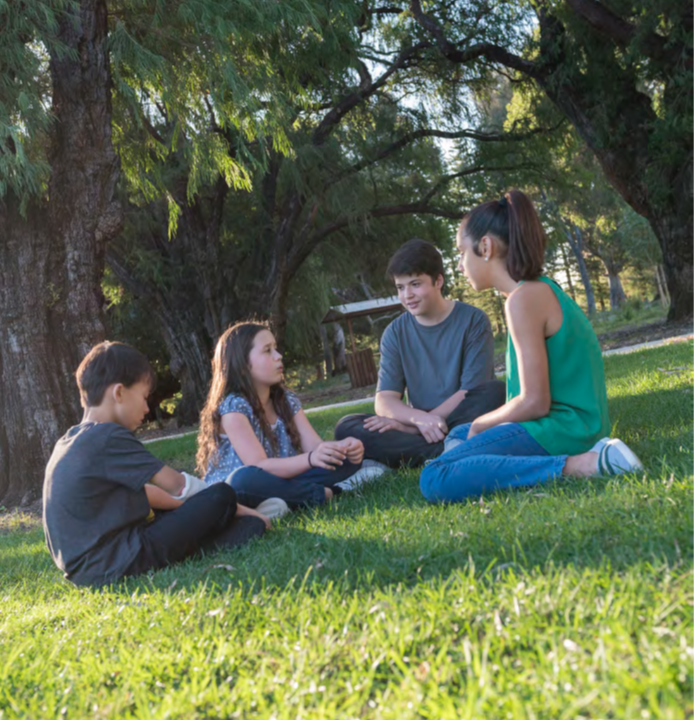
Can young people experiencing homelessness be part of the solution in suicide prevention? That is the question youth mental health researchers at Emb…
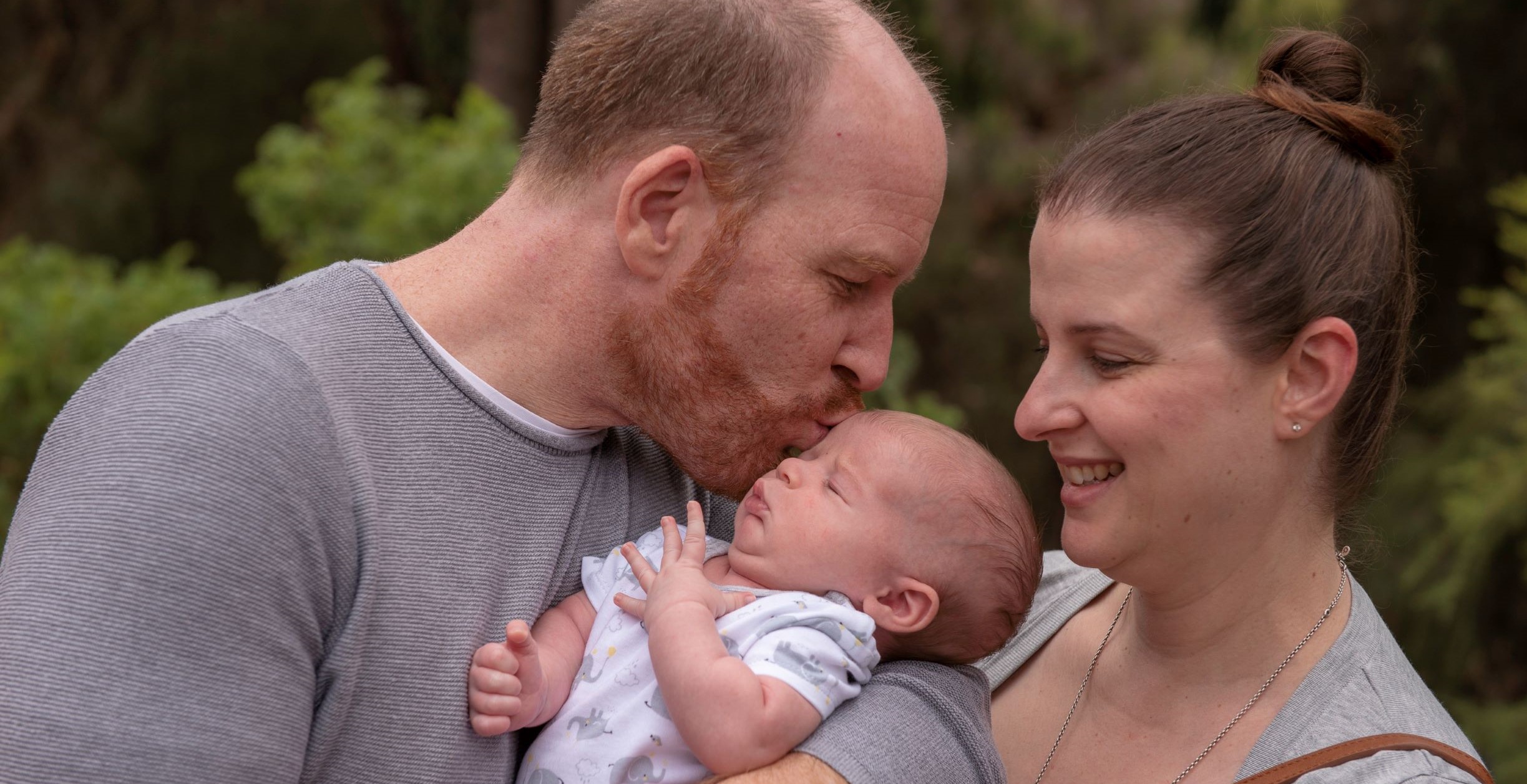
Despite major advances in science in recent years, many Australians still don't understand the magnitude and importance of early years development to…
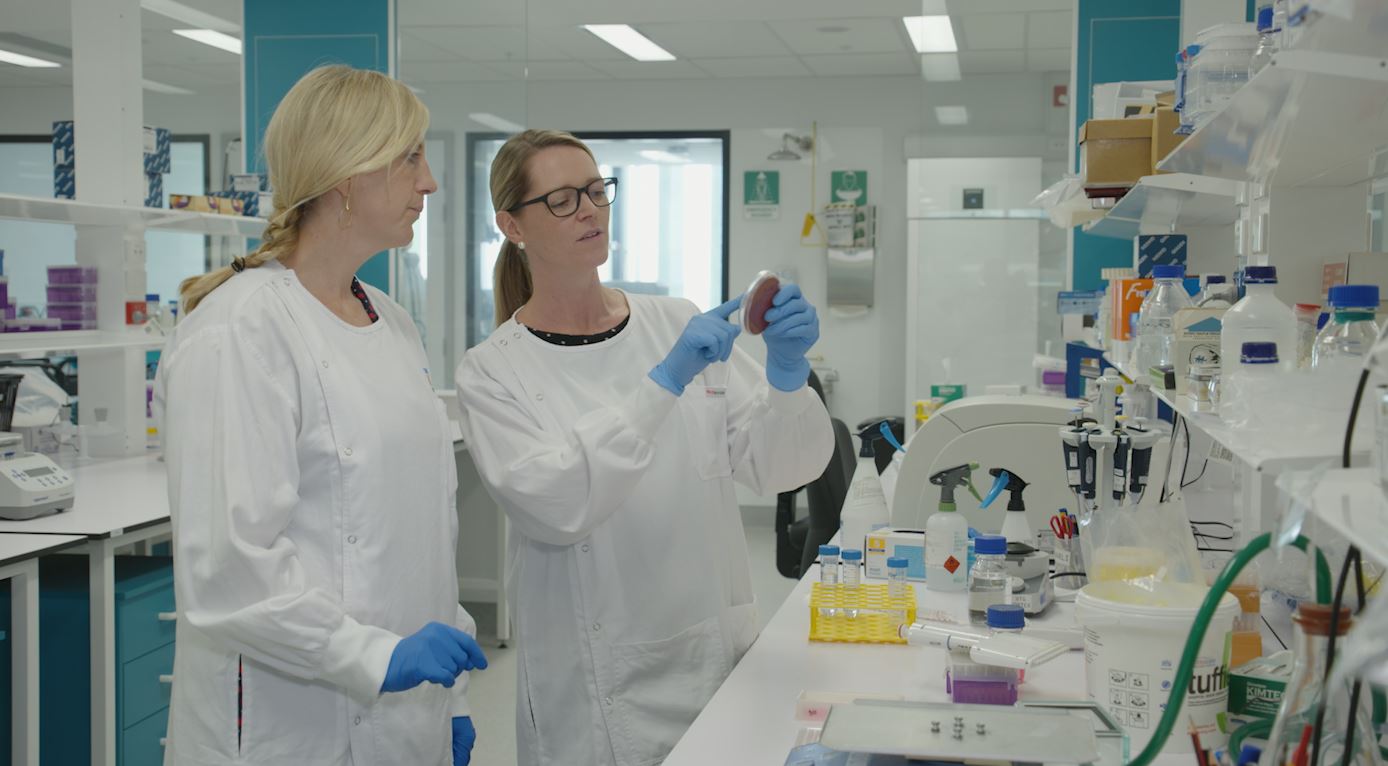
Wiping out childhood ear infections could become a reality thanks to new research identifying the main bacteria responsible for recurrent ear infecti…
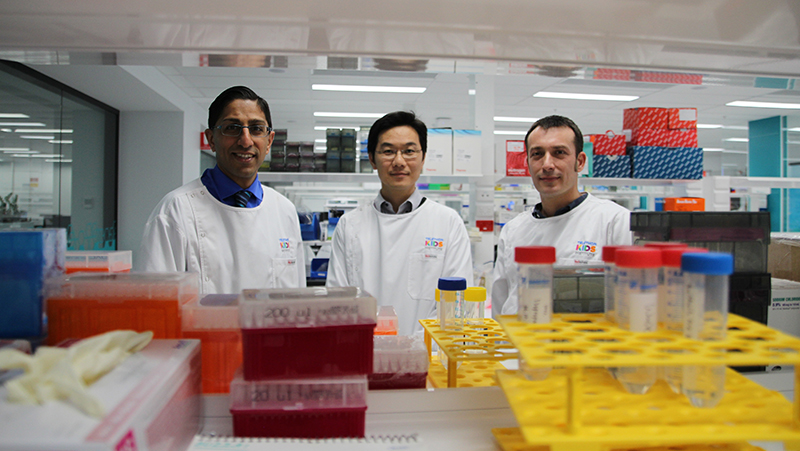
Kids born with Down syndrome are at high risk of an array of health problems – including issues with sight, hearing, heart defects, bone complication…

Video technology is helping researchers learn more about the early communication style of infants with a family history of autism, ADHD or intellectu…
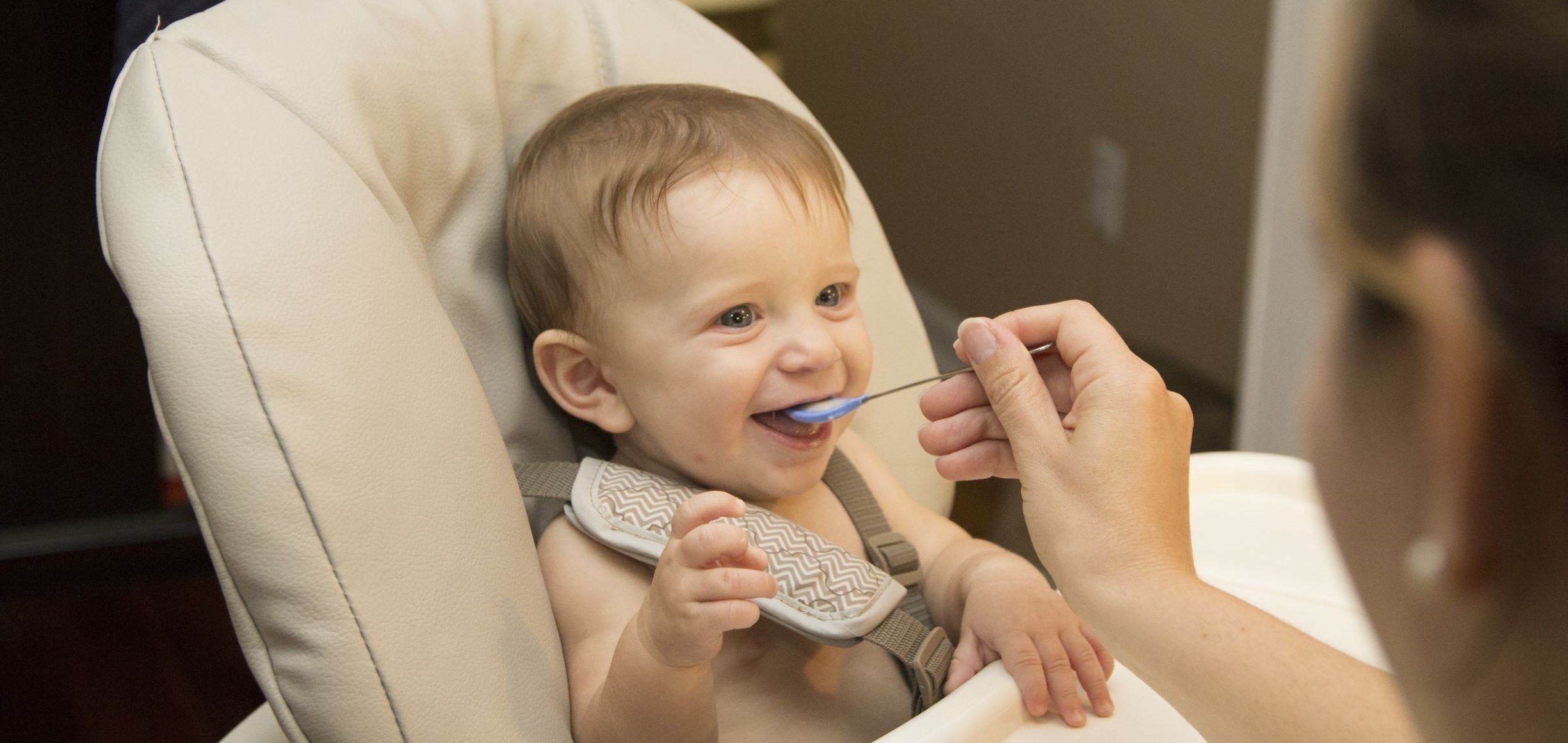
A dramatic rise in food allergies over the past 20 years had Australian medical professionals scratching their heads, with three in every ten babies…
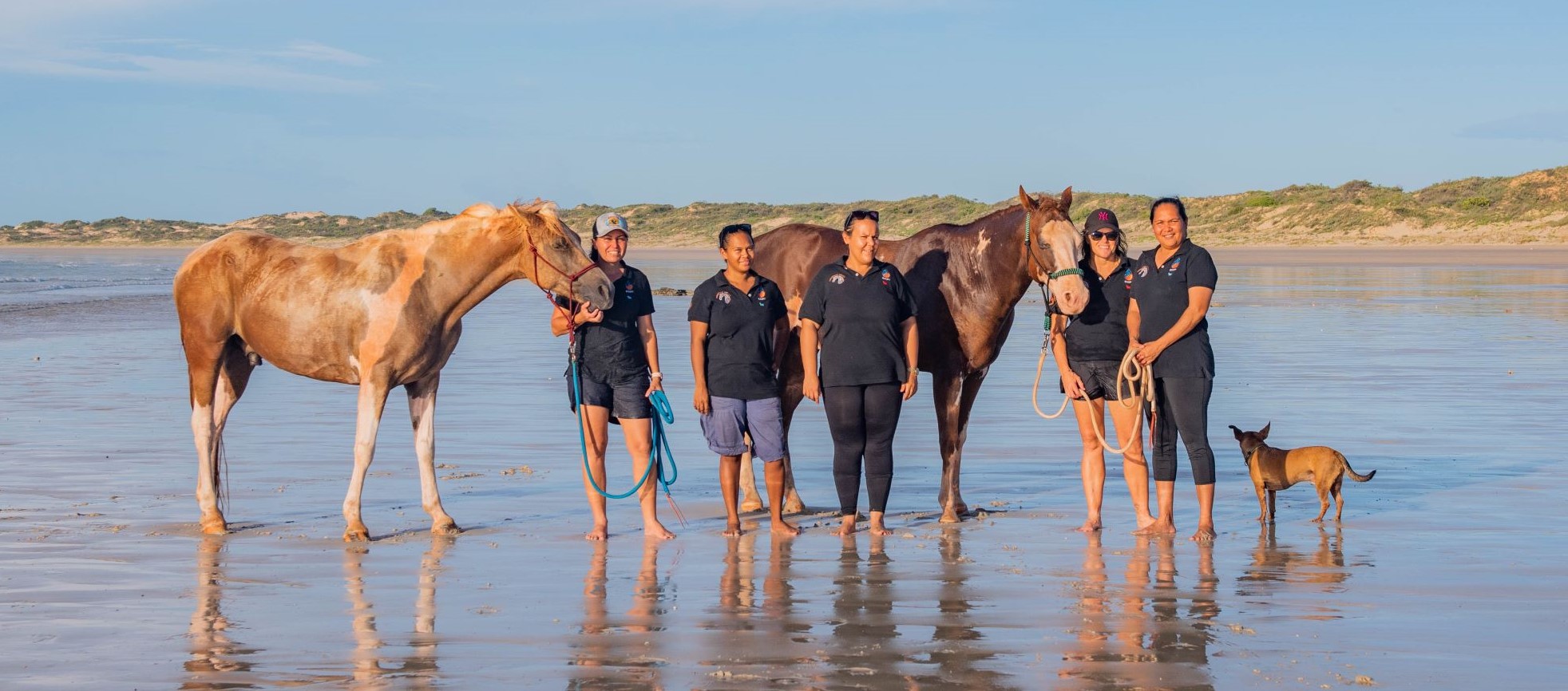
The Yawardani Jan-ga Equine-Assisted Learning (EAL) research project, headed by Professor Juli Coffin in WA’s Kimberley region, is steadily growing i…
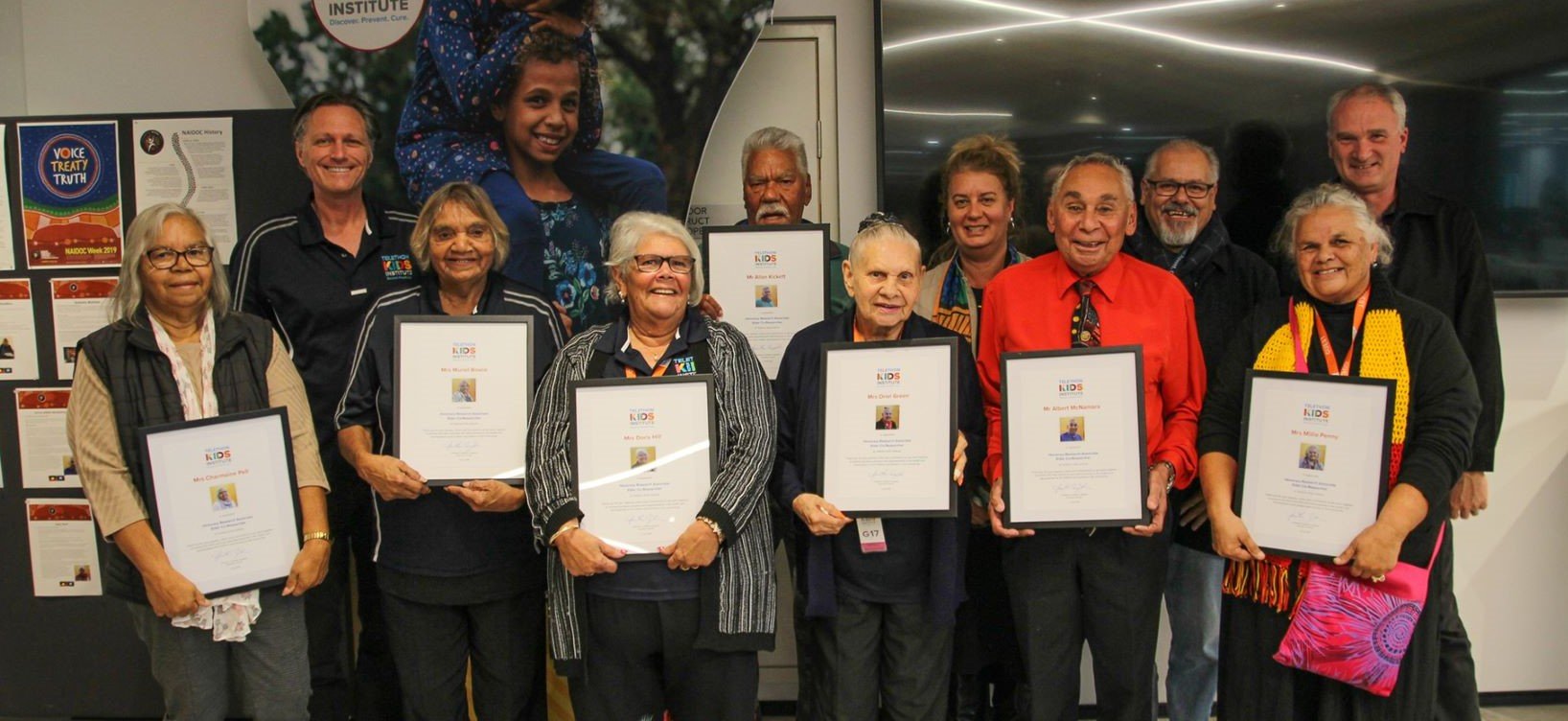
The Ngulluk Koolunga Ngulluk Koort (Our Children, Our Heart) Project grew out of a bold vision to harness the wisdom of Aboriginal Elders to improve…