Skip to content

Search

Accuracy of a 2-minute eye-tracking assessment to differentiate young children with and without autism

Eye-tracking could expedite autism identification/diagnosis through standardisation and objectivity. We tested whether Gazefinder autism assessment, with Classification Algorithm derived from gaze fixation durations, would have good accuracy (area under the curve [AUC] ≥ 0.80) to differentiate 2-4-year-old autistic from non-autistic children.

Current post-tonsillectomy analgesia practices among Australian and New Zealand anesthetists, and opinions on non-opioid alternatives

Children experience significant pain following extracapsular tonsillectomy surgery, and while opioids are often prescribed to treat this, clinicians may be wary of their adverse side effects, leading to variation in practice. There is a need for improved post-tonsillectomy pain management in children. 

Evaluation of the Acceptability and Feasibility of the Social Attention and Communication Surveillance-Revised (SACS-R) Tool for Early Identification of Autism in Preterm Infants

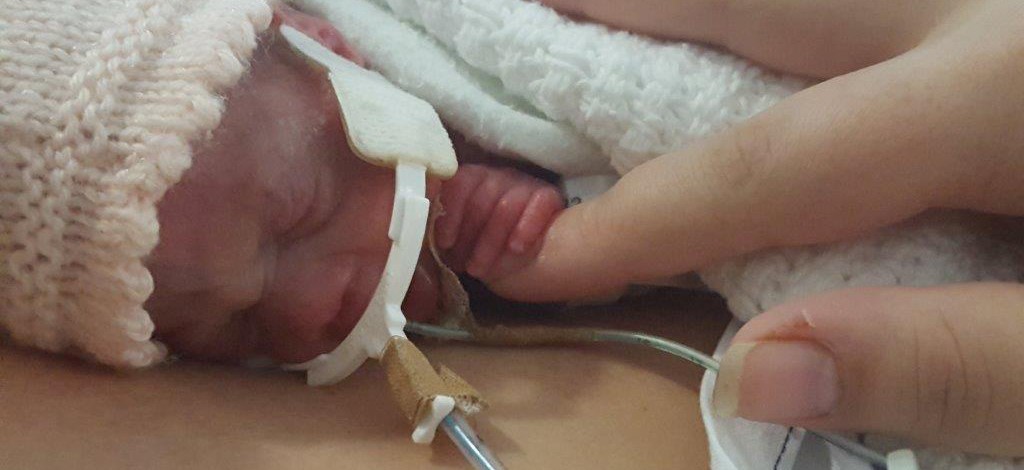
Preterm birth is associated with a 3.3-fold increased likelihood of autism diagnosis, with lower gestational age conferring higher likelihood. In Australia, autism is typically diagnosed at around age four, potentially missing the optimal neuroplasticity window before age two. The Social Attention and Communication Surveillance-Revised (SACS-R) tool identifies early autism signs in children aged 11-30 months, enabling pre-emptive intervention.

Benchmarking Imputed Low Coverage Genomes in a Human Population Genetics Context

Ongoing advances in population genomic methodologies have recently enabled the study of millions of loci across hundreds of genomes at a relatively low cost, by leveraging a combination of low-coverage shotgun sequencing and innovative genotype imputation methods. This approach has the potential to provide abundant genotype information at low costs comparable to another widely used cost-effective genotyping approach-that is, SNP panels-while avoiding potential issues related to loci being ascertained in distantly related populations.

Rewiring endogenous genes in CAR T cells for tumour-restricted payload delivery

The efficacy of chimeric antigen receptor (CAR) T cell therapy in solid tumours is limited by immunosuppression and antigen heterogeneity. To overcome these barriers, 'armoured' CAR T cells, which secrete proinflammatory cytokines, have been developed. However, their clinical application has been limited because of toxicity related to peripheral expression of the armouring transgene. 

The mitophagy receptors BNIP3 and NIX mediate tight attachment and expansion of the isolation membrane to mitochondria

BNIP3 and NIX are the main receptors for mitophagy, but their mechanisms of action remain elusive. Here, we used correlative light EM (CLEM) and electron tomography to reveal the tight attachment of isolation membranes (IMs) to mitochondrial protrusions, often connected with ER via thin tubular and/or linear structures.

Tumor site-directed A1R expression enhances CAR T cell function and improves efficacy against solid tumors

Citation: Sek K, Chen AXY, Cole T, Armitage JD, Tong J, ……… Waithman J, Parish IA, et al. Tumor site-directed A1R expression enhances CAR T cell

‘I have to jump like a kangaroo … I have to slither like a snake’. A qualitative evaluation of elder-led art workshops in the child protection sector

Indigenous peoples globally have incurred significant harm resulting from colonisation and the forced removal of children from their families, culture, communities and Country. Over the last two decades in Australia, there have been calls for significant reform and there has been a raft of policy changes in child protection services. However the problems are intractable, and the numbers of Indigenous children being removed from their families continues to rise.

Real-world benefits and tolerability of trofinetide for the treatment of Rett syndrome: The LOTUS study

Aim: To describe the real-world effects of trofinetide in individuals with Rett syndrome (RTT) using the 18-month follow-up analysis of the LOTUS study.

A qualitative exploration of the phenomenology of pain in children to inform pain assessment methods

Pain is a common experience associated with healthcare for children, who often recall it as the worst part of hospitalisation. Several factors make assessment of pain more challenging in children. Families have previously identified the development of improved tools to assess pain in children as a key priority. We therefore sough to investigate the nature of this experience from the perspective of children and their parents to inform the development of such tools.