
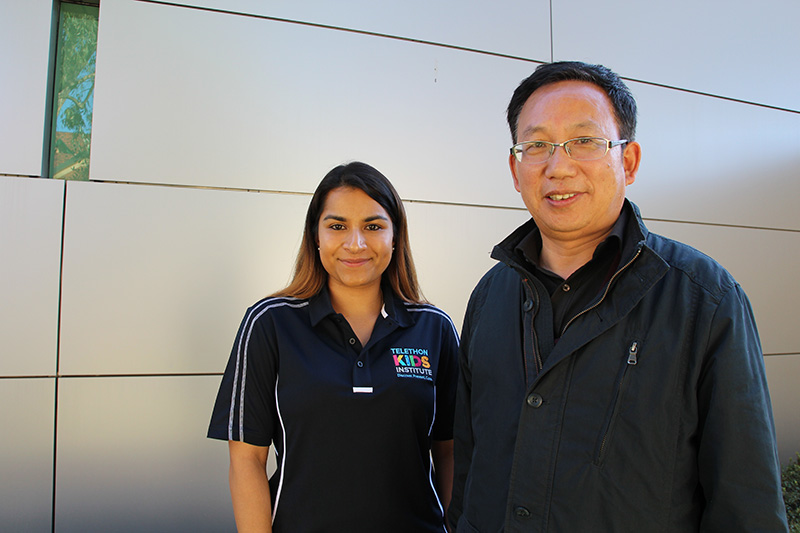
Chinese immigrants who live in a Western environment like Australia have an increased risk of allergies, hay fever and asthma, new research led by Cu…
The latest publications and resources from the END RHD CRE Team
Intramuscular administration of novel acetylated peptide-protein conjugate vaccine candidate MJ8VAX was demonstrated to be safe and immunogenic
NHMRC funding has been awarded for 4 years to Murdoch Childrens Research Institute for this project, with collaboration from Professor Jonathan Carap…
Attention to sleep hygiene remains an important management strategy for sleep problems in Rett syndrome
Airway interleukin-33 is associated with type-2 cytokines in naturally occurring asthma exacerbations in adults
Out-of-home care was not found to be a significant factor in the adverse educational outcomes of these children
Forced oscillation technique measurements were feasible in Emirati school-children. New forced oscillation technique reference equation in Emirati ch…
The evidence supports the widespread provision of hearing aids as the first-line clinical management for those seeking help for hearing difficulties
We report clinical, radiologic, and molecular factors that correlate with survival in children and young adults with diffuse intrinsic pontine glioma