
Here we focus on the rapidly progressing microbiome science as a way to illustrate the pathways by which exposure to biodiversity supports health
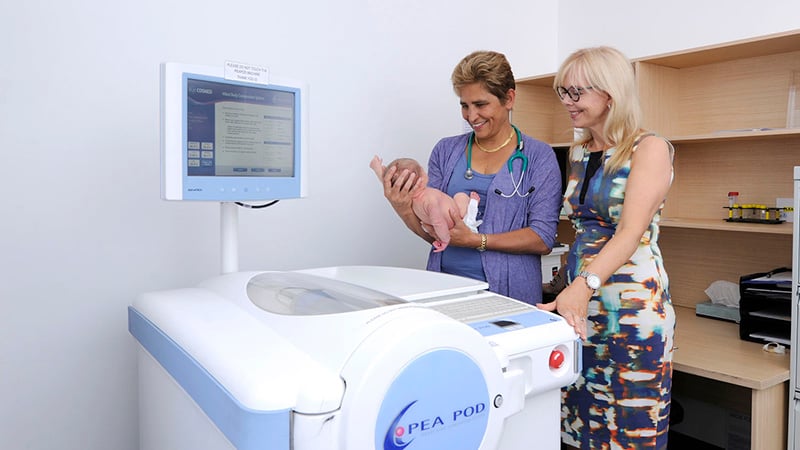
The Joondalup Health Campus and The Kids are investigating how childhood and adult-onset diseases can be prevented during foetal development and in t…
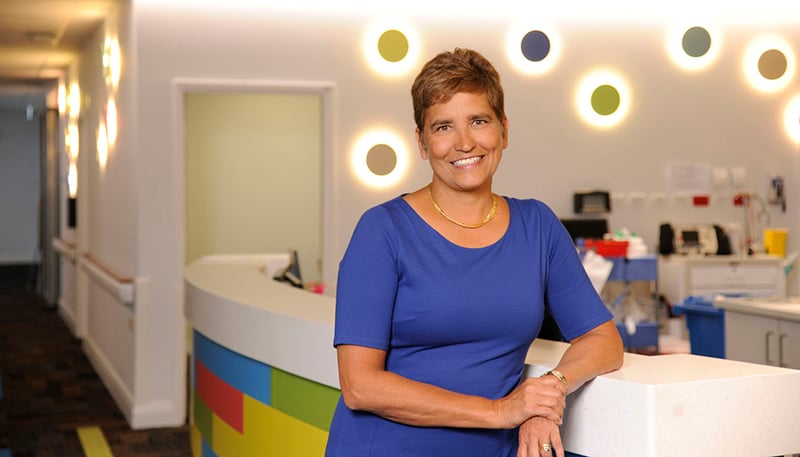
Three local legends who are changing the world have been named as this year’s WA Rising Stars – including the ORIGINS Project Co-director and head of…
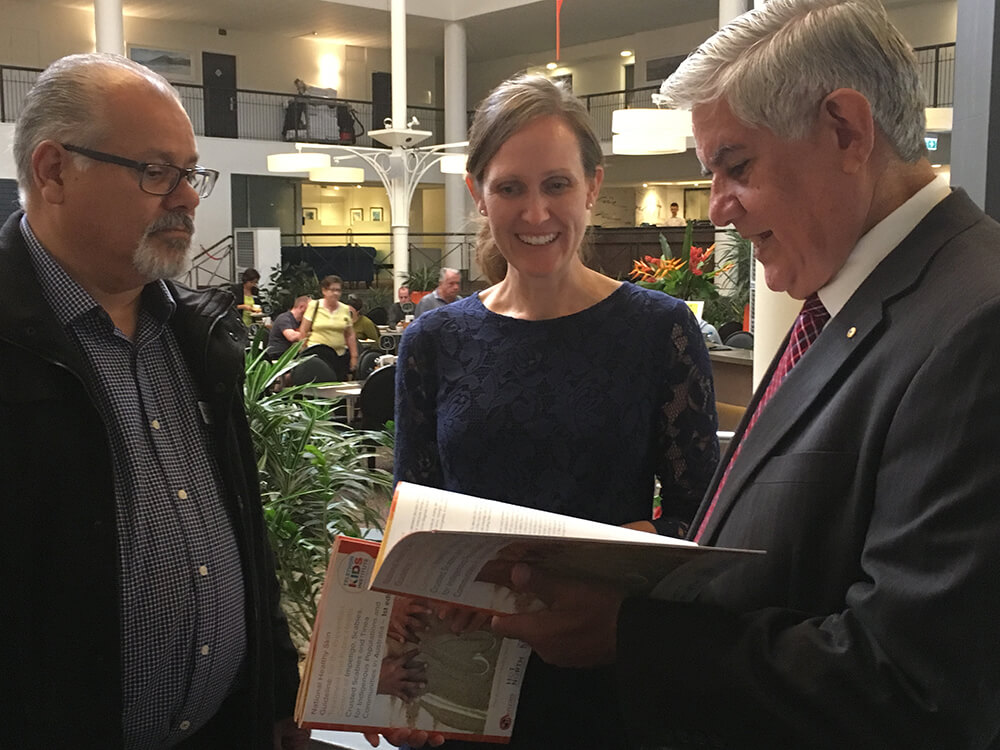
Researchers have developed the first National Healthy Skin Guideline to address record rates of skin infections in Australia’s Indigenous communities.
National Healthy Skin Guideline: for the Prevention, Treatment and Public Health Control of Impetigo, Scabies, Crusted Scabies and Tinea for Indigeno…

The Kids Research Institute Australia welcomes the Australian Government’s commitment to invest $65 million to transform the nation’s data system and…
Streptococcus A is a bacterium often found in the throat and on the skin.
To assess the determinants of early lung function in African infants.
This study examines the association of autism spectrum traits, depressive symptoms and suicidal behaviour in individuals with psychotic experiences
Here we review the current knowledge of key molecular pathways that are dysregulated during persistent goblet cell differentiation