
The first ever comprehensive study to estimate the prevalence of otitis media (OM) in Papua New Guinea (PNG) has revealed some of the world’s highest rates of childhood middle ear disease.
Published in the Lancet Regional Health - Western Pacific, researchers found almost 75 per cent of children aged 15 or under were suffering from OM, or middle ear infections, and this jumped to a staggering 86 per cent for kids under three years.
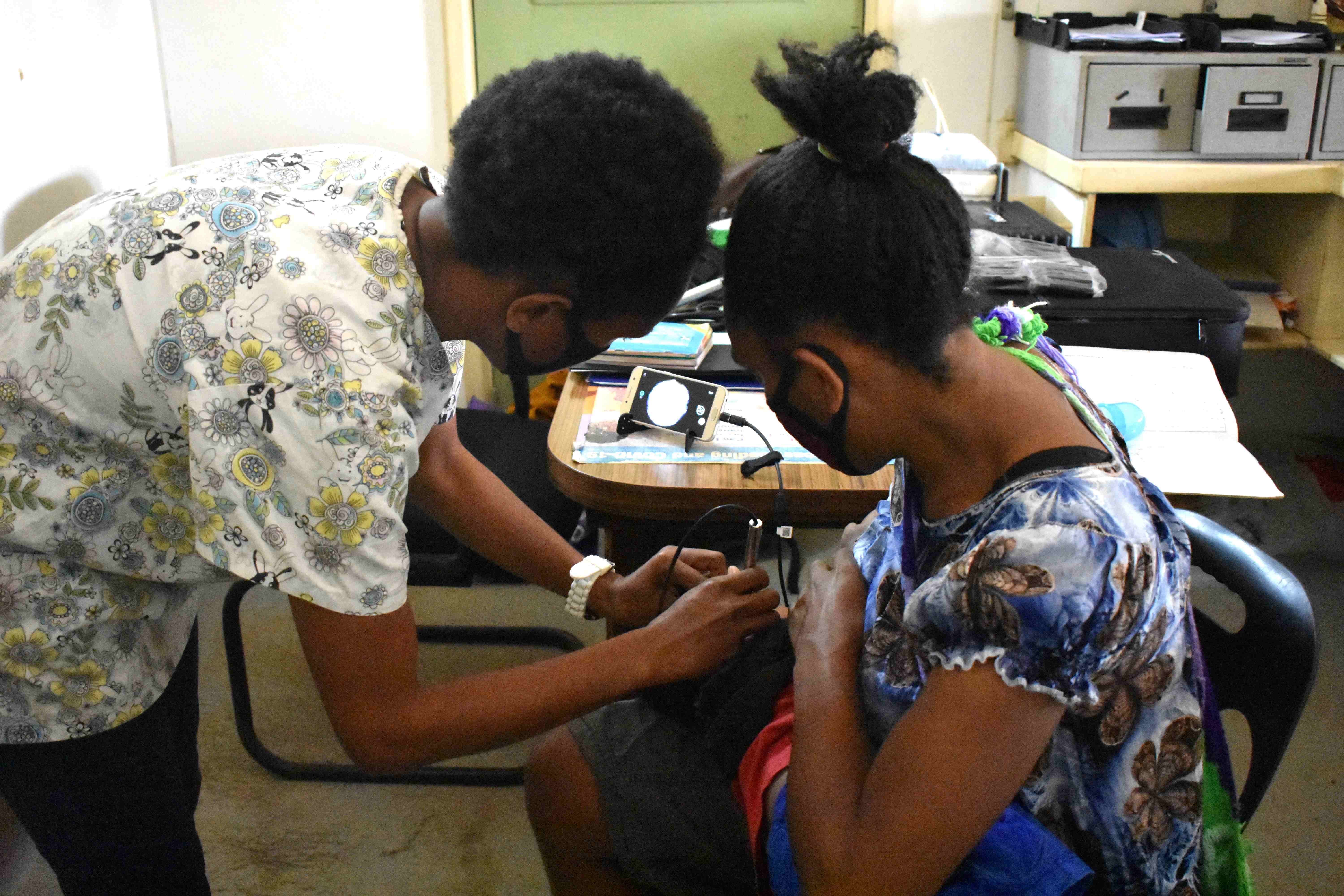
Conducted in a partnership between the Wesfarmers Centre of Vaccines and Infectious Diseases, based at The Kids Research Institute Australia, and PNG Institute of Medical Research (PNGIMR), the study involved checking the ears of almost 500 children living in Goroka town and the surrounding areas in the Eastern Highlands Province of PNG.
Dr Tamara Veselinovic, Clinical Research Fellow at the Wesfarmers Centre, said the results came as a shock to the research team and demonstrate the dire need for greater service provision around ear and hearing health.

“Children don’t receive routine ear checks – the health clinic staff aren’t equipped with the tools and training to perform them, and there aren’t any audiologists in PNG,” Dr Veselinovic said.
“As part of the study, staff were trained to take videos of the ears and upload them for audiologists in Perth to confirm the diagnosis made by nurses in PNG and, if necessary, advise on clinical management.
In addition to record rates of OM, we found that 11.3 per cent of study participants had ‘runny’ ears, where the ear drum had burst and was leaking fluid – a rate almost three times higher than the World Health Organization’s (WHO) four per cent threshold before declaring it an actionable public health emergency.
“Many of the participants attended the clinic due to being unwell, but we also checked the ears of their siblings and babies receiving their immunisations, and we found high rates of ear disease in both sick and healthy children,” Dr Veselinovic said.
Dr Celestine Aho, Honorary Research Associate at the Wesfarmers Centre and Head of the Infection and Immunity Unit at PNGIMR, said some parents in the clinic thought runny ears were like having a runny nose when you have a cold – they thought it was ‘normal’ yet their child was living with a perforated ear drum and significant, potentially permanent, hearing loss.
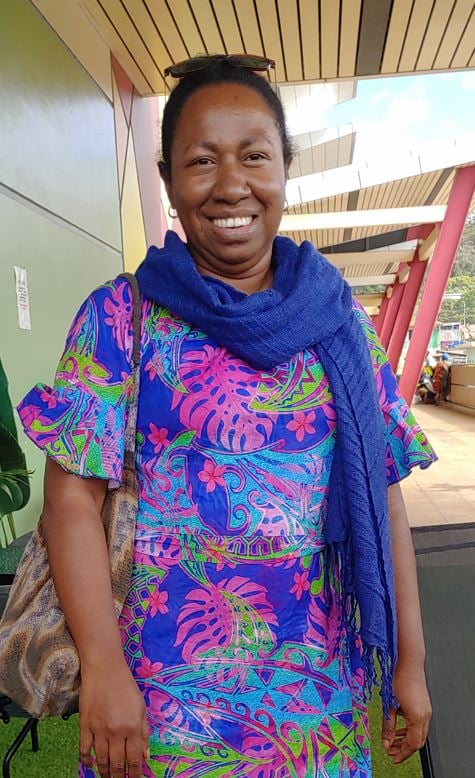
“OM-related hearing loss also has long-term effects on cognitive and language development, education, and social and emotional well-being, so enhanced screening and intervention capabilities are urgently required to address this unchecked public health crisis,” Dr Aho said.
We are currently following up this work by conducting a similar study on school-aged kids living in the same region – we believe this will provide further evidence to government policy makers on the desperate need for ear health programs to be developed nation-wide in PNG.
Dr Aho was the inaugural recipient of the Deborah Lehmann Research Award, funded by the Wesfarmers Centre, which supports paediatric infectious disease research in Australia and the Pacific region.
“Our partnership between the PNG IMR and the Wesfarmers Centre has been incredibly valuable. By uniting local expertise, cultural knowledge, and clinical experience with specialist technical expertise and diagnostic support from Perth, we were able to deliver a more comprehensive strategy for documenting ear disease,” Dr Aho said.
“This collaborative, two-way approach ensures our research is both scientifically rigorous and grounded in community realities, which ultimately strengthens its impact for children and families across the country.”
Website link to paper:
The Lancet Regional Health - Western Pacific: High rates of suppurative otitis media among children attending urban clinics in Goroka, Eastern Highlands Province, Papua New Guinea: a cross-sectional study