
Cyclin-dependent kinase-like 5 (CDKL5) deficiency disorder (CDD) is an ultrarare genetic condition causing developmental epileptic encephalopathy characterized by seizures and motor and intellectual disabilities. No disease-modifying therapies are a…
Carcinogenic effects of ultraviolet radiation (UVR) with reference to skin cancer are the basis of widely implemented recommendations to avoid sun exposure. Whether the benefits of "restrictive sun policies" outweigh their potential harms due to dim…
To test the efficacy of Hand Arm Bimanual Intensive Therapy Including Lower Extremity (HABIT-ILE) to improve gross motor function, manual ability, goal performance, walking endurance, mobility, and self-care for children with bilateral cerebral pals…
Adaptive behaviour change is central to improving population health, yet poor adoption of health-enhancing behaviours contributes to noncommunicable diseases and so remains a global concern. Research on physical activity behaviour change has continu…
The majority of Australian children exceed the World Health Organization's recommended dietary intake of free sugar, particularly through the consumption of sugar-sweetened beverages. Front-of-pack nutrition labels increase perceived risk and deter…
The Luminos Project has been co-designed with global experts in youth suicide support, mental health services, and research, alongside input from young people with lived experience, ensuring it meets their needs effectively.
This evaluation examines a range of indicators concerning student and community outcomes over a seven-year operational period from 2015 to 2021, as well as the satisfaction of parents and carers.
This project seeks to evaluate the effectiveness and impact of MOST on young people and the system of care in Western Australia.
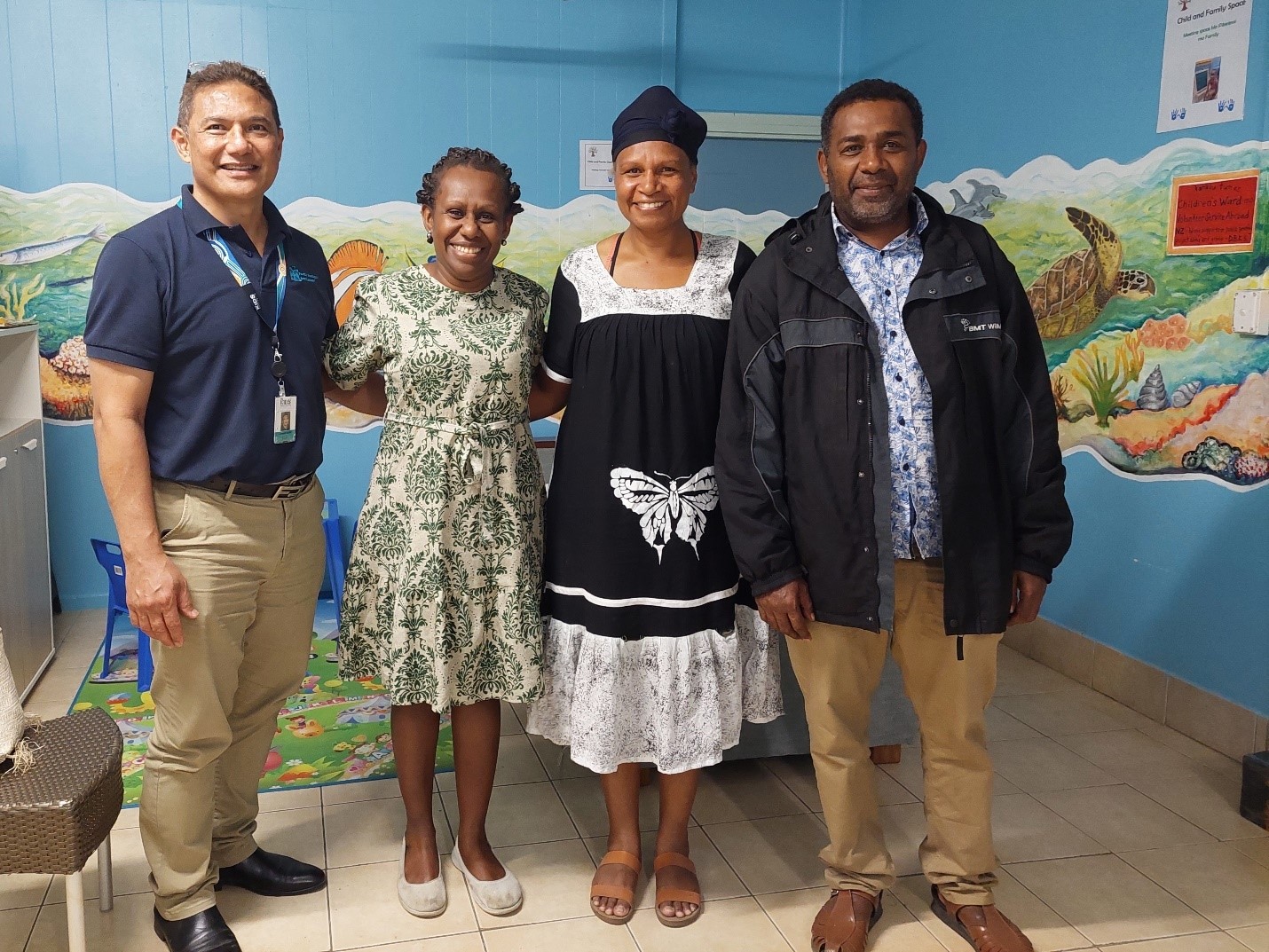
The goal of the program is to establish the foundations of an effective, sustainable and equitable response to RHD in the Pacific.
ARC is a global network of collaborators committed to reducing the burden of RHD in our lifetime.