
24-hour Movement Guidelines for the Early Years promote that achieving all three-movement behaviour (sleep, sedentary behaviour and physical activity) recommendations is important for child health and development. We examined the association between…
In this paper, we aim to contribute to the understanding of the multidimensional nature of school readiness. In a sample of over 4,000 Australian children in their first year of school, we used latent class analysis to examine patterns of school rea…
Pneumonia is a leading cause of childhood mortality with Streptococcus pneumoniae a major contributor. Pneumococcal conjugate vaccines (PCVs) have been introduced into immunisation programs in many low- to middle-income countries yet there is a pauc…
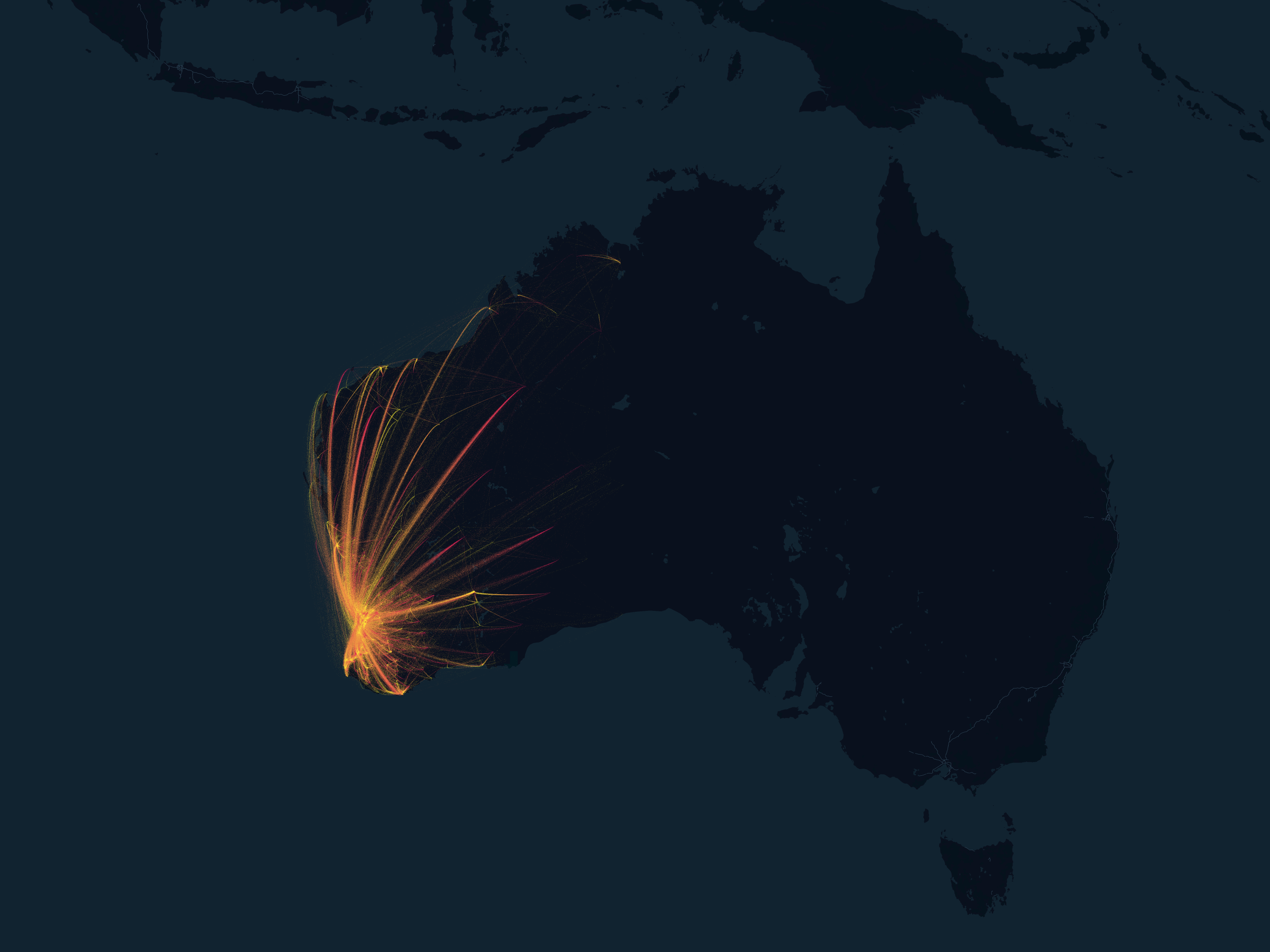
Researchers have developed a new model for simulating covid-19 outbreaks in Western Australia.
Recently, we identified a Staphylococcus aureus sequence type 5 (ST5) clone in northern Australia with discrepant trimethoprim-sulfamethoxazole (SXT) susceptibility results. We aimed to identify isolates of this clone using Vitek 2 SXT resistance as…
Impetigo, a bacterial infection caused by Streptococcus pyogenes and S. aureus of the superficial dermis affects up to 162 million children at any one time. Three out of every five school-children in Samoa have active or recently healed impetigo, fa…
The biological determinants of the response to immune checkpoint blockade (ICB) in cancer remain incompletely understood. Little is known about dynamic biological events that underpin therapeutic efficacy due to the inability to frequently sample tu…
This chapter outlines the evidence and evolution of RHD control programs and draws conclusions about priorities following the 2018 World Health Organization Global Resolution on rheumatic fever and RHD.