
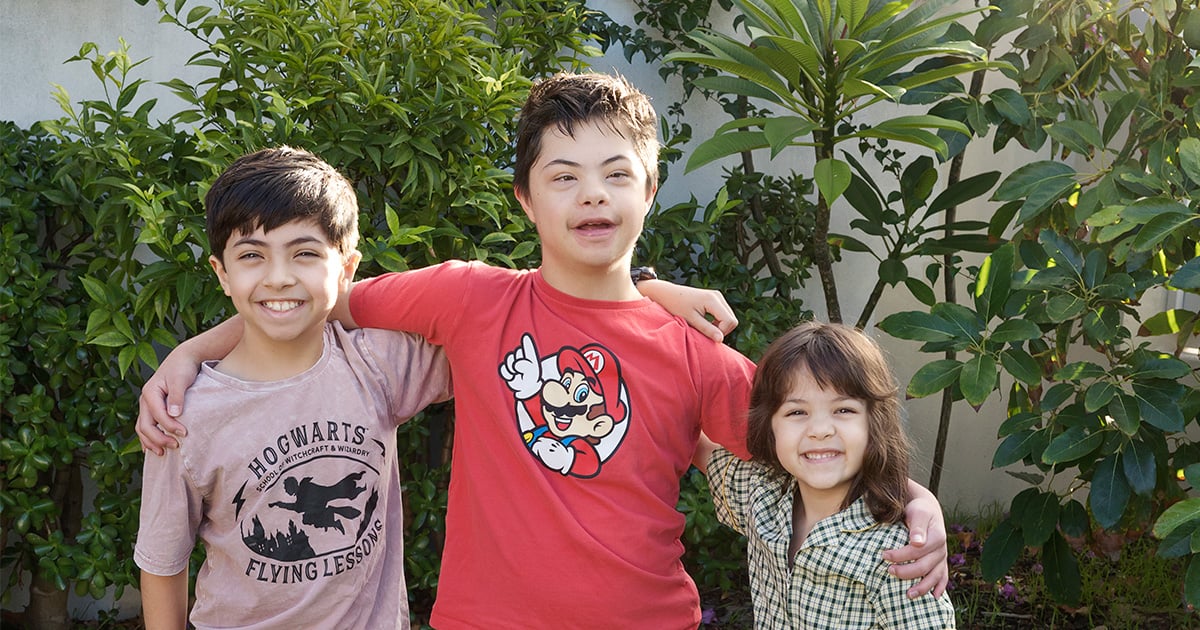
Developmental and epileptic encephalopathy (DEE) conditions are rare, and most have a genetic cause.
We aim to ensure that high quality outcome measures are available to evaluate treatments and services for children with disability rigorously. We aim…
Our vision is to increase awareness and improve outcomes for children with movement disorders and other neurodevelopmental conditions impacting on mo…
Tourette syndrome is a neurodevelopmental disorder characterised by uncontrollable movements and vocalisations known as tics.
While individual diseases are rare, as a group, rare diseases are common. Recent estimates suggest that between 3% and 6% of the world’s population a…
A project led by The Kids Research Institute Australia’s child disability team will seek to reduce potentially preventable hospitalisations and build…
To review the effectiveness of oral health education and oral health promotion interventions for children and adolescents with intellectual and devel…

Video technology is helping researchers learn more about the early communication style of infants with a family history of autism, ADHD or intellectu…
The behavioral phenotype of neurogenetic disorders associated with intellectual disability often includes psychiatric comorbidity. The objectives of…

The Sibling Project focuses on the wellbeing, relationships and needs of children, adolescents and emerging adults who have a sibling with a developm…