
Search
Showing results for "aboriginal respiratory"
Infant vaccination with 3 doses of PCV10 or PCV13 is safe and immunogenic in a highly endemic setting
PPV is immunogenic in 9-month-old children at high risk of pneumococcal infections and does not affect the capacity to produce protective immune responses
The emergence of the novel severe acute respiratory syndrome coronavirus 2 (SARS-CoV-2), sparking a global pandemic, has driven an imperative to quickly design and conduct treatment studies. We strongly propose a national, coordinated approach for randomised controlled trials (RCTs) for coronavirus disease 2019 (COVID-19), future pandemics and inter-pandemic periods in Australia.
We have closely followed the international literature about severe acute respiratory syndrome coronavirus 2 (SARS‐CoV‐2) transmission dynamics in children (aged 0–18 years).2 Evidence‐informed discussion about school attendance in the context of COVID‐19 is a high priority and this complex subject requires weighted expert review of the literature to accurately inform policy. As paediatricians and infectious diseases specialists, we wish to highlight important considerations when interpreting the available data.
Children in Papua New Guinea (PNG) are at high risk of pneumococcal infections. We investigated pneumococcal carriage rates, serotype distribution, and antimicrobial susceptibility in PNG children after vaccination with 10-valent or 13-valent pneumococcal conjugate vaccines (PCV10; PCV13).
Christopher Asha André Dr Anita Blyth Bowen Schultz Campbell MBBS (Hons) DCH FRACP FRCPA PhD BA MBBS DCH FRACP PhD GAICD FAHMS OAM MBChB, PhD, FRACP
There is no consensus on how best to measure responses to interventions among children and adults with cystic fibrosis (CF). We have systematically reviewed and summarised the characteristics and measurement properties of tests and tools that have been used to capture outcomes in studies among people with CF, including their reliability, validity and responsiveness. This review is intended to guide researchers when selecting tests or tools for measuring treatment effects in CF trials. A consensus set of these tests and tools could improve consistency in how outcomes are captured and thereby facilitate comparisons and synthesis of evidence across studies.
There is no consensus about which outcomes should be evaluated in studies of pulmonary exacerbations in people with cystic fibrosis (CF). Outcomes used for evaluation should be meaningful; that is, they should capture how people feel, function or survive and be acknowledged as important to people with CF, or should be reliable surrogates of those outcomes. We aimed to summarise the outcomes and corresponding endpoints which have been reported in studies of pulmonary exacerbations, and to identify those which are most likely to be meaningful.
Multi-jurisdictional cohort of mother-infant pairs to measure the uptake, safety and effectiveness of antenatal IIV and dTpa vaccines in three Australian jurisdictions
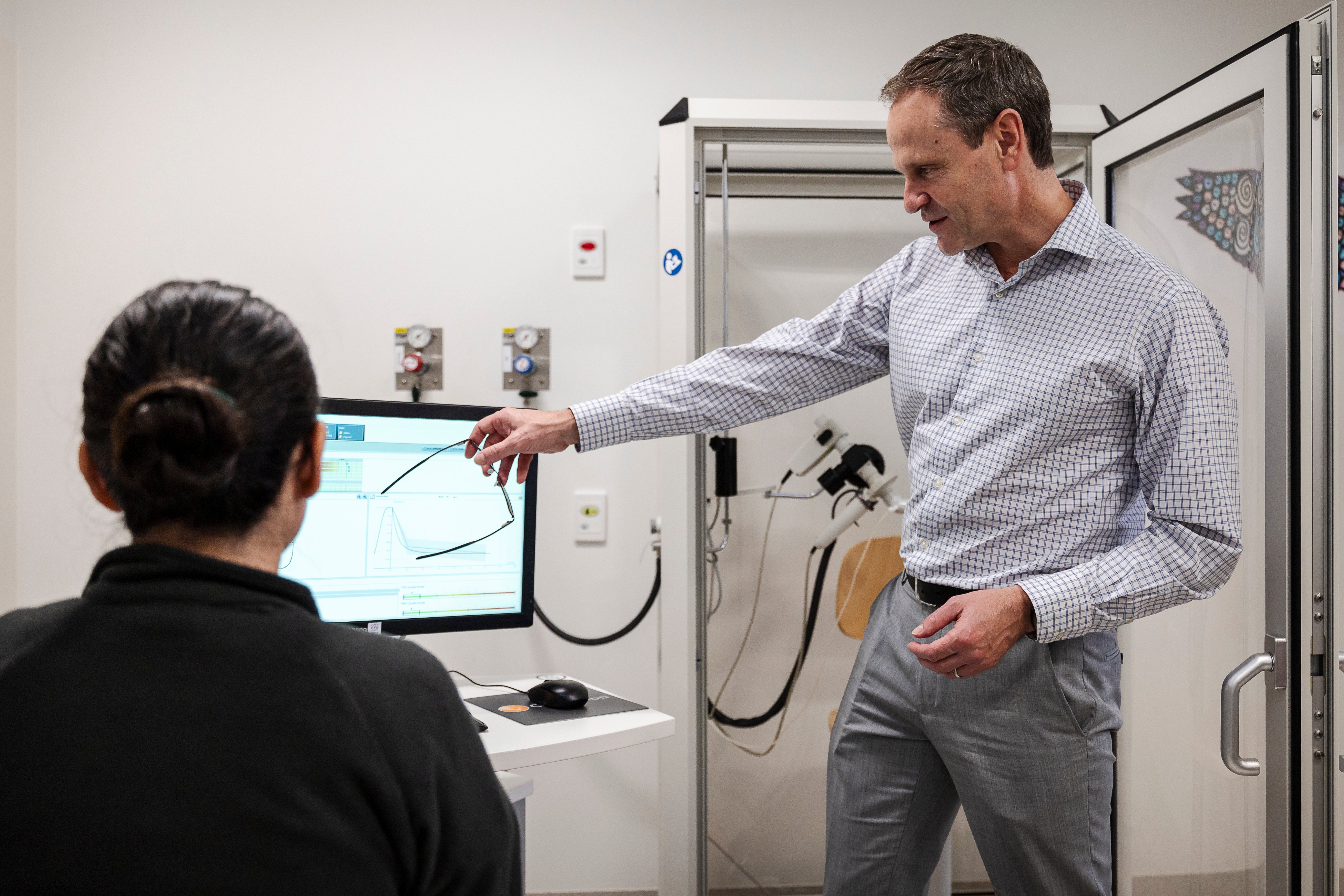
A new paper published in Frontiers in Pediatrics offers clinicians a practical roadmap to improve healthcare outcomes for Indigenous children, starting with respect, communication, and cultural understanding.