
Search

Examining whether consuming prebiotic fibre in pregnancy reduces the risk of developing allergic disease in the first three years of life.

One in three children in WA suffer iron deficiency leading to poor sleep, fussy eating, and behavioural difficulties. This project aims to develop mechanisms to prevent and treat the problems before they become clinically significant and translate findings to other communities to improve childhood wellness.

This project aims to examine whether maternal probiotic supplementation promotes an enhanced immunomodulatory breastmilk composition likely to promote infant oral tolerance, and reduce food allergy in breastfed children.
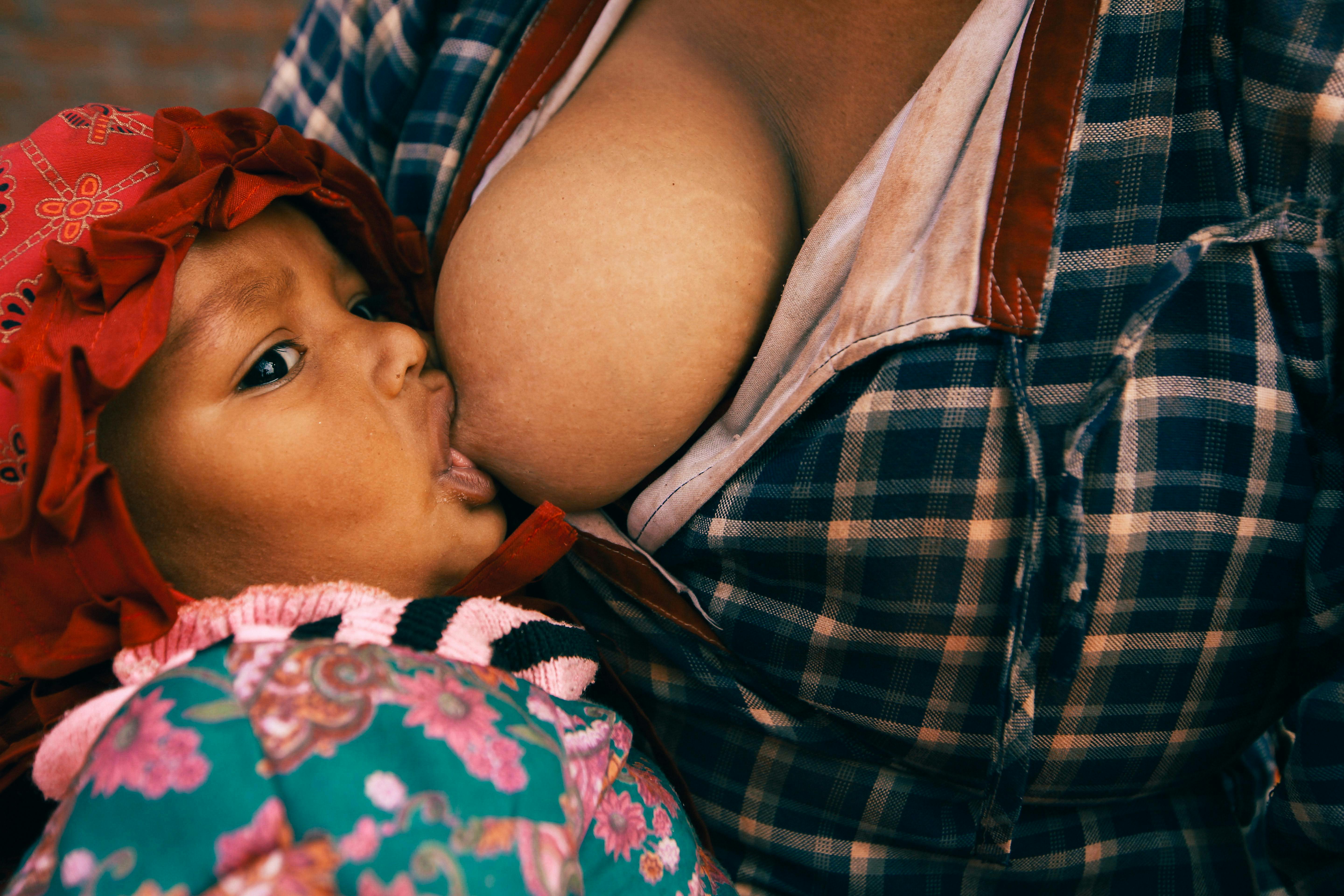
Spanning across 15 countries, this study is exploring how breastmilk supports good bacteria in the infant gut and how this relationship programs the developing immune system.
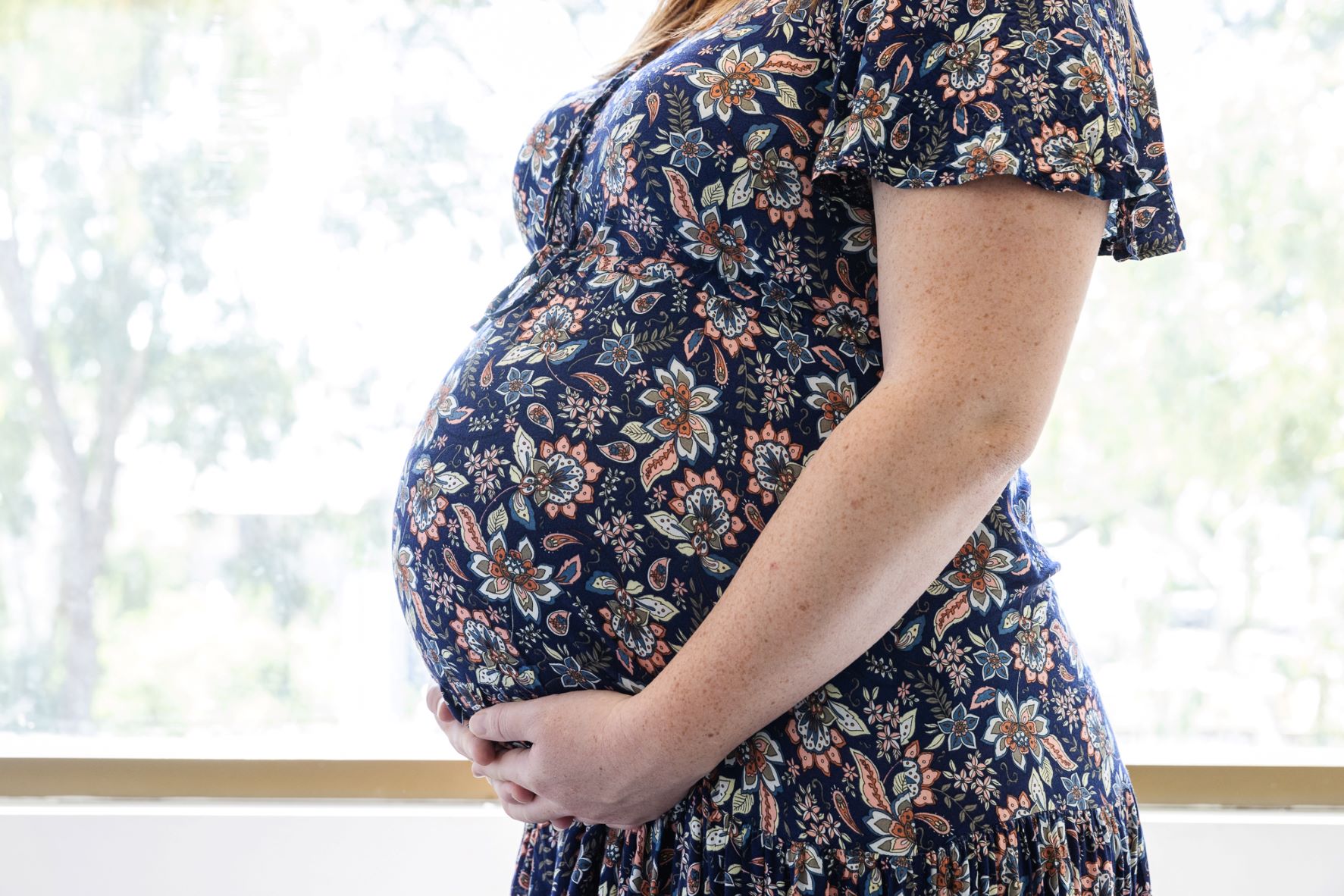
SYMBA is promoting gut health (symbiosis) with prebiotic fibre taken during pregnancy for prevention of allergic disease.

This sub-project will be using ORIGINS data to explore the risk and protective factors of obesity from birth to early childhood.
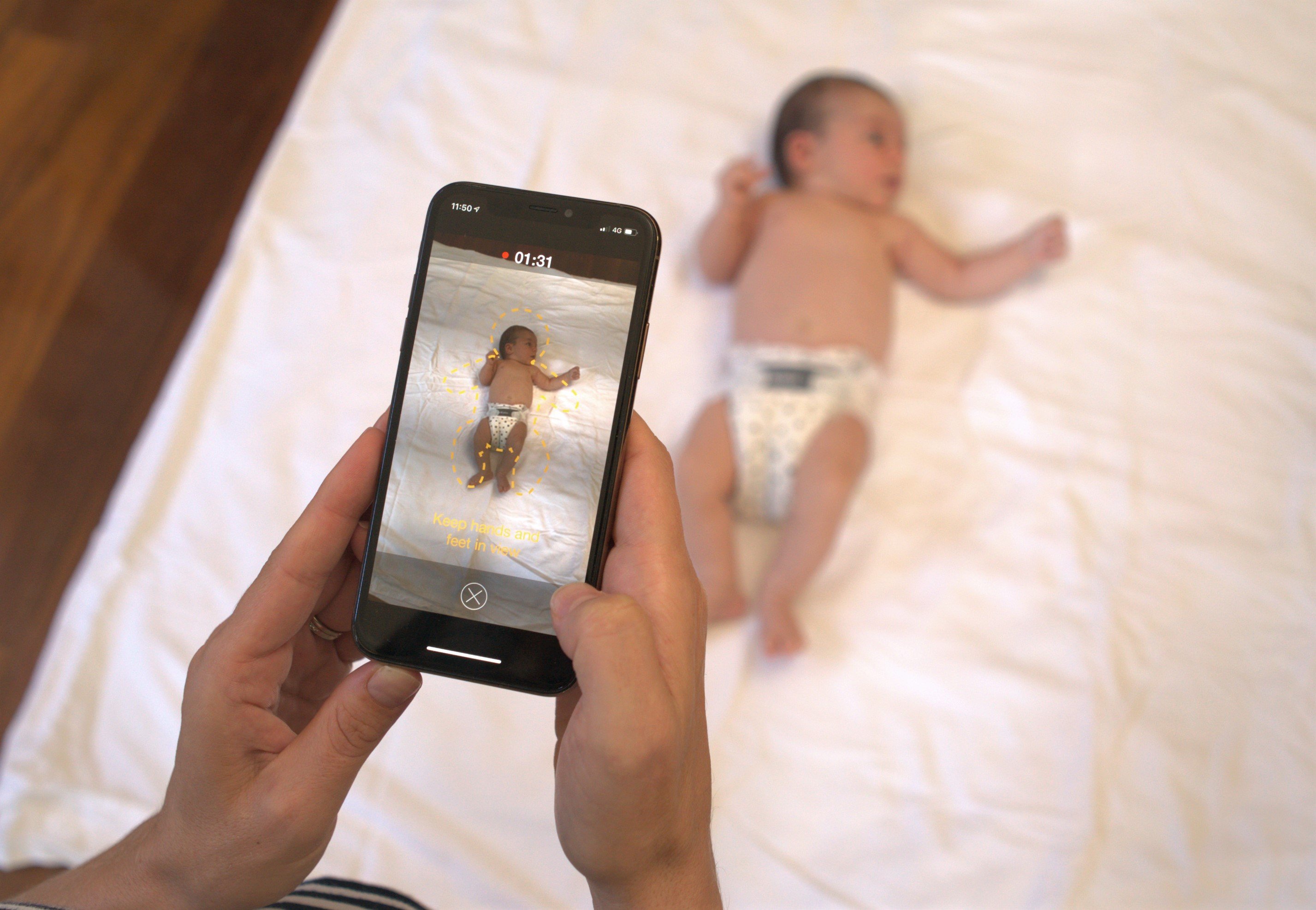
Can baby’s early movements predict learning difficulties later in childhood?

Climate-related exposures and hair cortisol concentrations among pregnant women in the ORIGINS cohort.
This research focuses on understanding how maternal health, lifestyle, and fertility influence pregnancy outcomes and the early development of children.
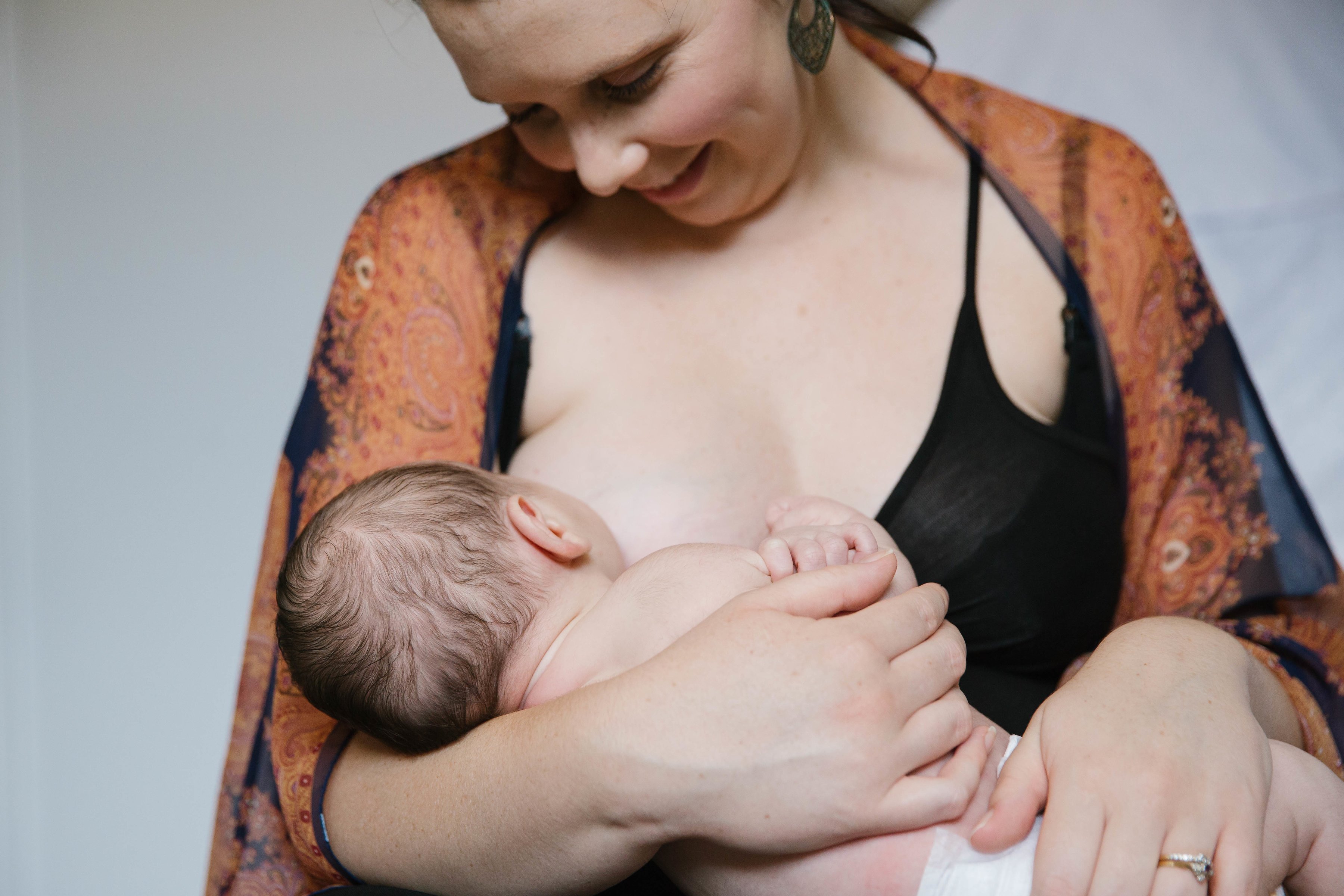
The Antenatal Colostrum Expression (ACE) Study aims to determine whether hand expressing of colostrum in the last few weeks of pregnancy can help new mothers to breastfeed.