
Search
Showing results for "Childhood interstitial lung disease "
Bronchiectasis is a worldwide chronic lung disorder where exacerbations are common. It affects people of all ages, but especially Indigenous populations in high-income nations. Despite being a major contributor to chronic lung disease, there are no licensed therapies for bronchiectasis and there remain relatively few randomised controlled trials (RCTs) conducted in children and adults.
Impaired interferon response and allergic sensitization may contribute to virus-induced wheeze and asthma development in young children. Plasmacytoid dendritic cells play a key role in antiviral immunity as critical producers of type I interferons.

The Kimberley has the highest rates of rheumatic heart disease (RHD) in Western Australia – but through the establishment of a new community-led, research-backed project known as END RHD Communities, there’s hope this will change.
The World Health Organisation resolution for global action to tackle rheumatic heart disease (RHD) will have significant implications for Australia, which has some of the highest rates of the disease in the world.

The Kids Research Institute Australia and The University of Western Australia are proud to announce the appointment of the inaugural Fiona Stanley Chair of Child Health Research, Professor Melissa Penny.
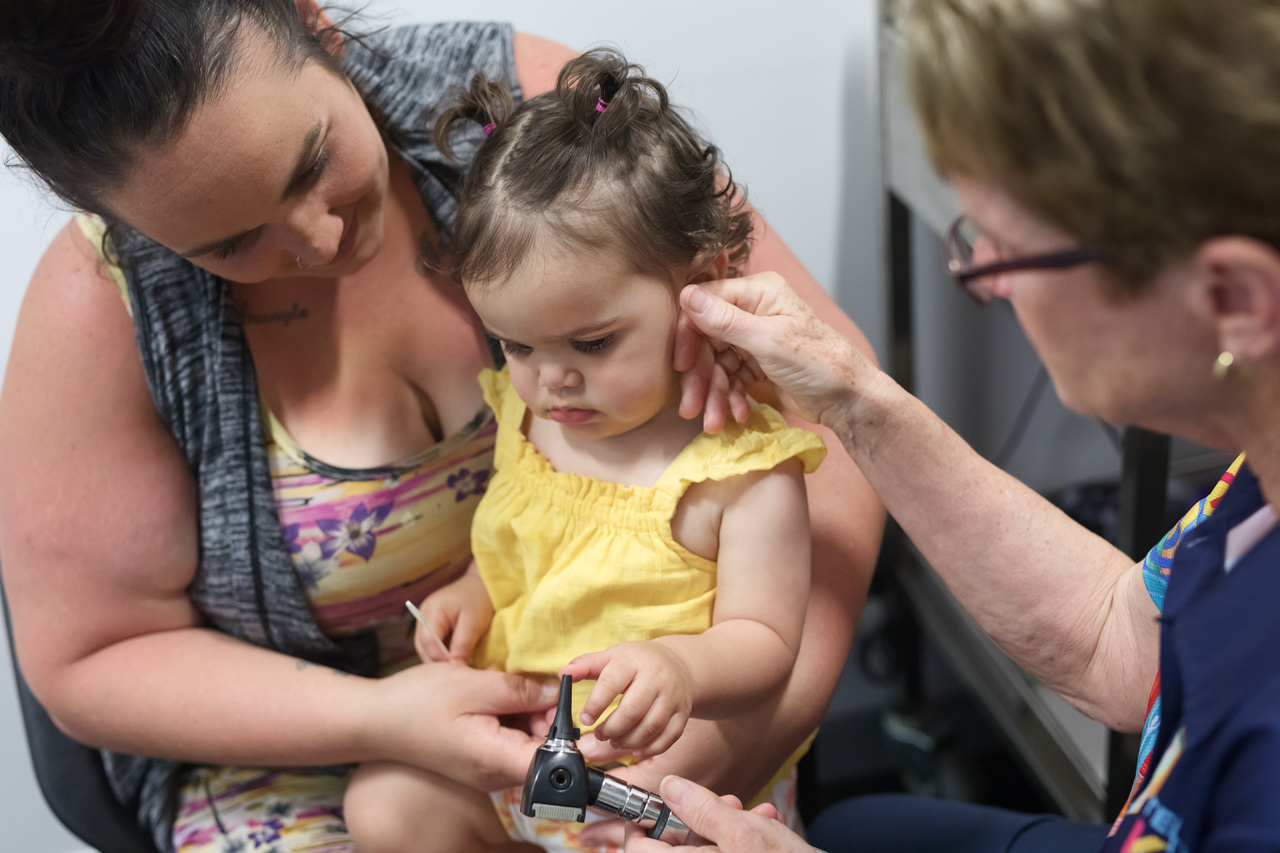
Researchers from The Kids Research Institute Australia have been awarded a $1.1 million NHMRC ‘Targeted Call for Hearing Health’ grant to conduct the first ever study following Aboriginal babies from birth through to five years to uncover the true prevalence of middle ear infections and hearing loss.
This project aimed to identify the primordial determinants of RHD to inform prevention strategies.
In human asthma, and experimental allergic airways disease in mice, antigen-presenting cells and CD4(+) effector cells at the airway mucosa orchestrate, and CD4
Rett syndrome (RTT) is caused by mutations in the transcriptional repressor methyl CpG-binding protein 2 (MECP2).
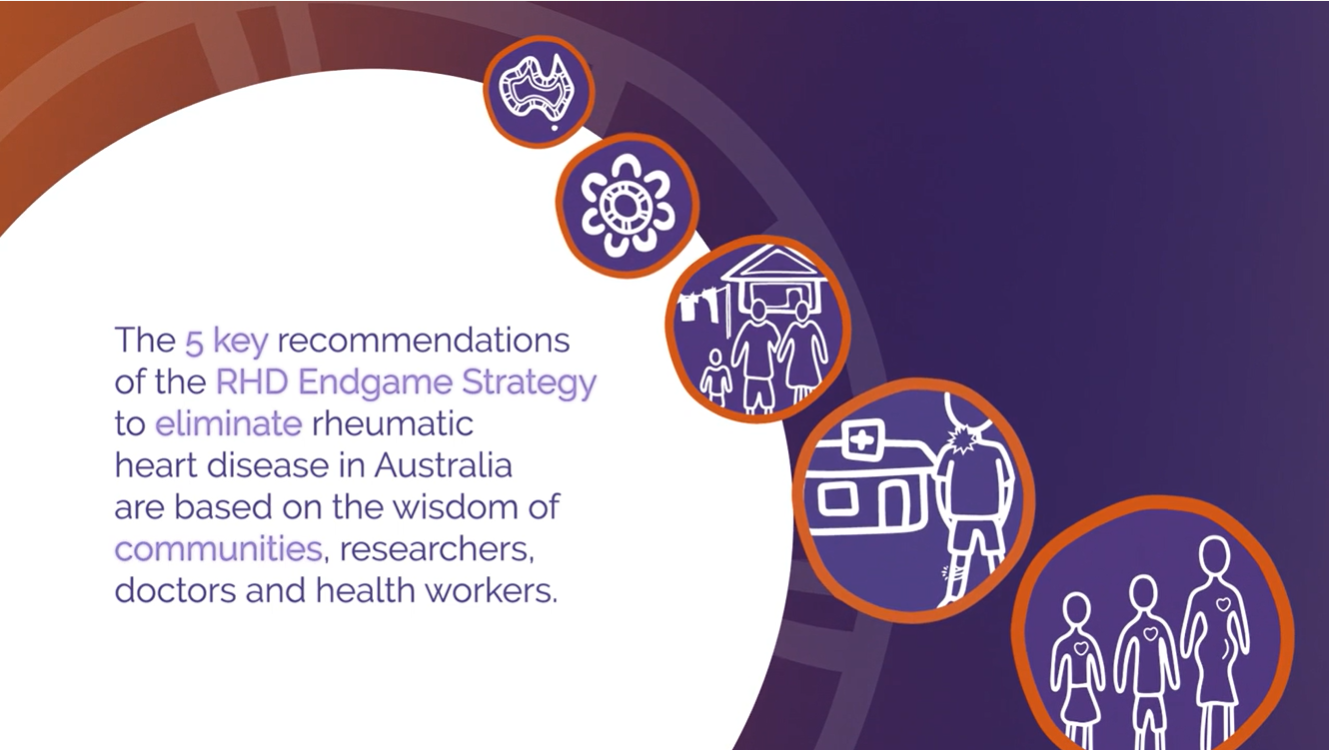
Across Australia, more than 5,000 Aboriginal and Torres Strait Islander people are currently living with rheumatic heart disease (RHD) or its precursor, acute rheumatic fever (ARF).