
Search
Showing results for "early lung health"
Among Aboriginal children, the burden of acute respiratory tract infections (ALRIs) with consequent bronchiectasis post-hospitalisation is high. Clinical practice guidelines recommend medical follow-up one-month following discharge, which provides an opportunity to screen and manage persistent symptoms and may prevent bronchiectasis.
Carrington Fiona Shepherd Stanley PhD FAA FASSA MSc MD FFPHM FAFPHM FRACP FRANZCOG HonDSc HonDUniv HonFRACGP HonMD HonFRCPCH HonLLB (honoris causa)
To investigate the long-term impact of recurrent otitis media (rOM) and ventilation tube insertion (VTI) in early childhood on hearing outcomes and middle-ear health three to five years later, in a prospective pregnancy cohort study.
Despite the various traumatic events that a young person living with type 1 diabetes (T1D) may experience, little is known about the burden and manifestation of traumatic stress in this population. Though mental health outcomes have been explored generally, medical trauma-sensitive approaches to understanding these experiences remain limited. We utilised a qualitative descriptive approach to explore the impact of T1D on young people’s mental health through the paediatric medical traumatic stress model.
most children report mental health and well-being, but the population distribution spanned the full range of possible scores on every construct.
Larger samples of patients are needed to better understand if the differentiation between very early onset psychosis and early onset psychosis is justified
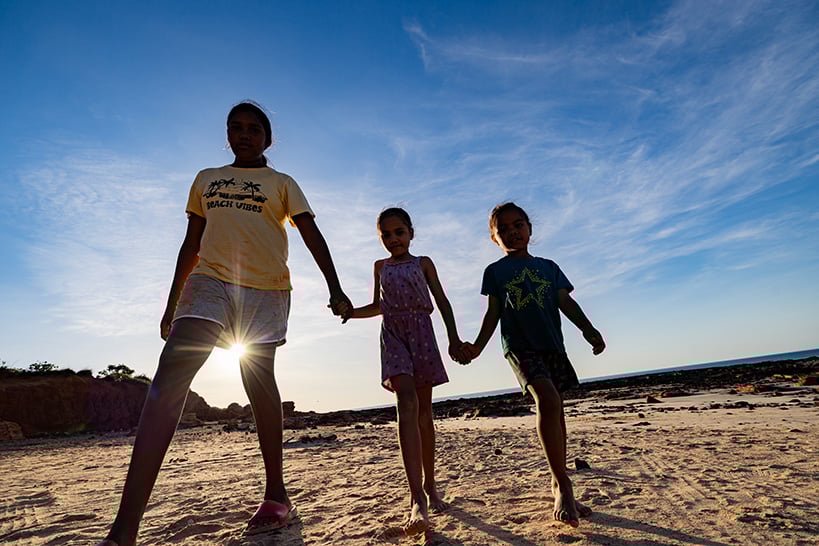
Aboriginal health is everyone's business. The needs of Aboriginal and Torres Strait Islander families and kids is integrated into all relevant areas of our work. Improving the health and wellbeing of Aboriginal and Torres Strait Islander kids and families is an overarching priority for every team at The Kids.
Research assistant on clinical trial to treat depression in young people
Bronchiectasis is a chronic lung disease that impairs quality of life and reduces life expectancy.
Leaders from the Canadian Society for Exercise Physiology convened national representatives to create the C24 movement for Children and Youth.