
Search
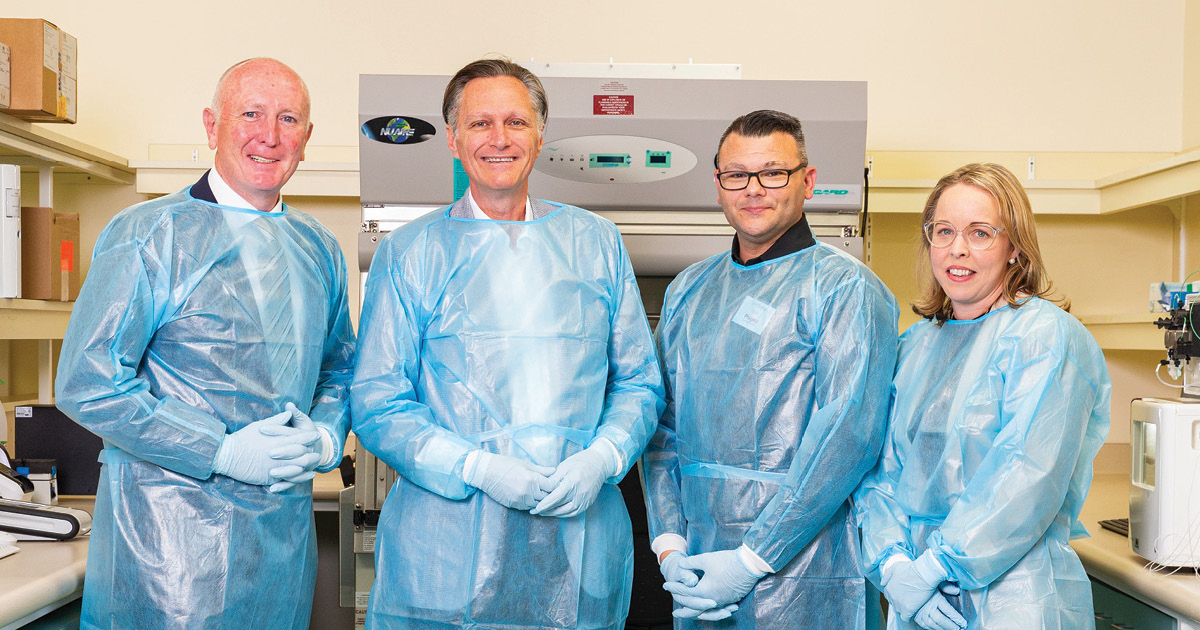
Western Australia’s first bacteriophage manufacturing facility has been opened in a significant development that brings patients battling antibiotic-resistant infections a step closer to life-saving phage therapy.
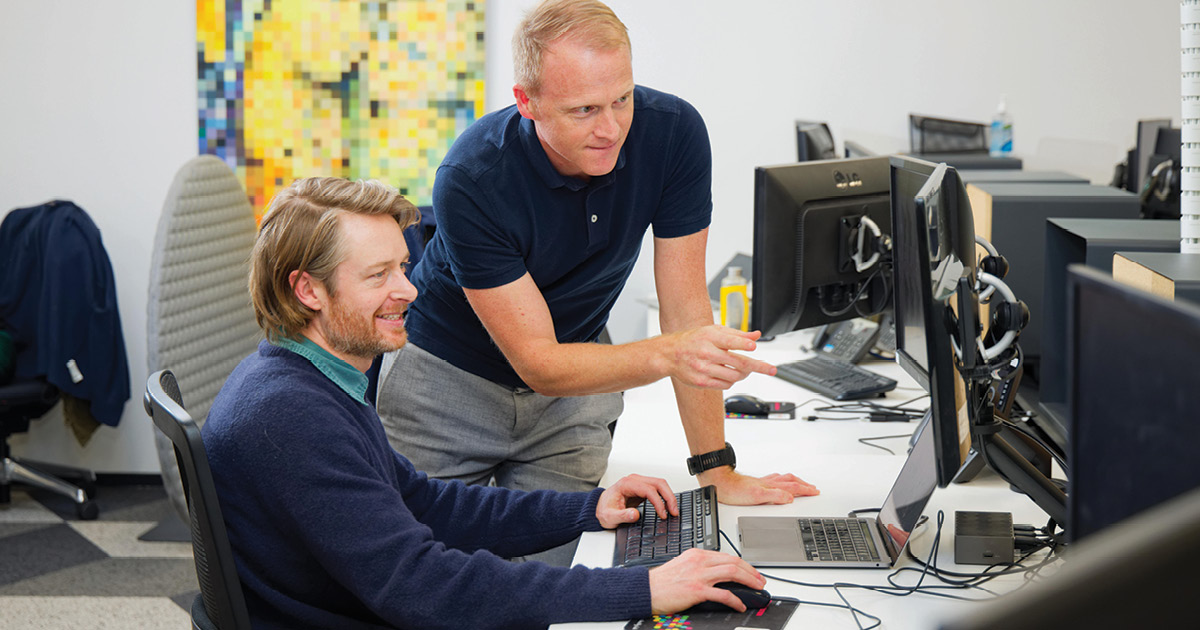
Nearly 170 years ago a British doctor applied geospatial mapping to identify the source of a cholera outbreak in central London.
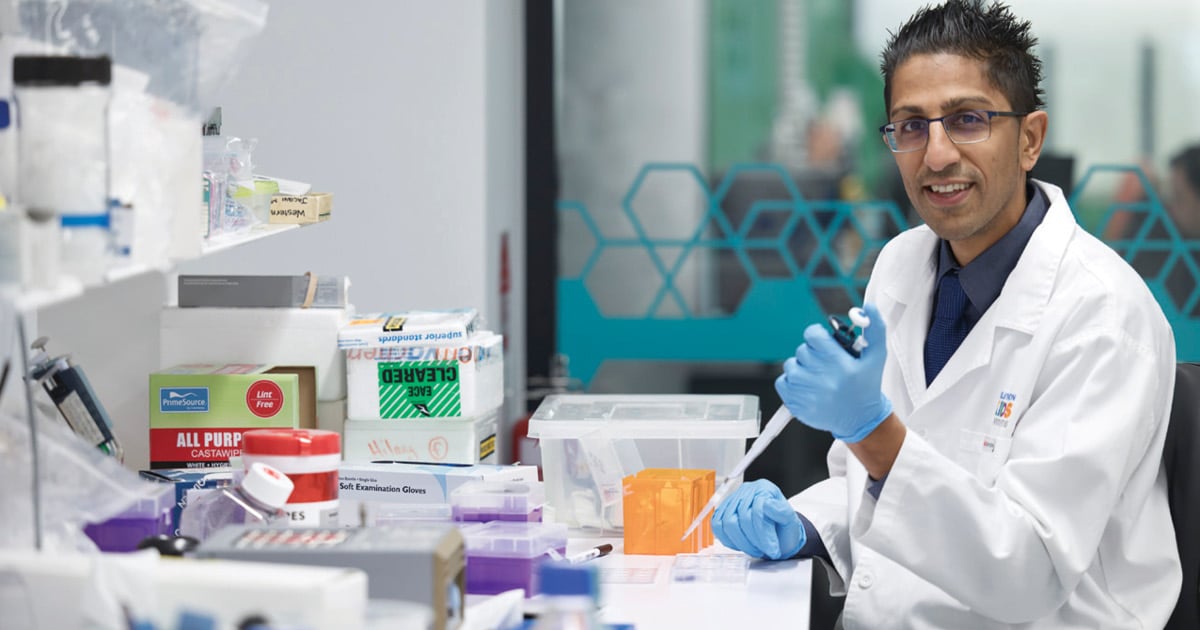
A pilot clinical study has found an immunotherapy drug can dramatically increase survival rates for babies with a rare form of leukaemia, paving the way for a major international clinical trial.
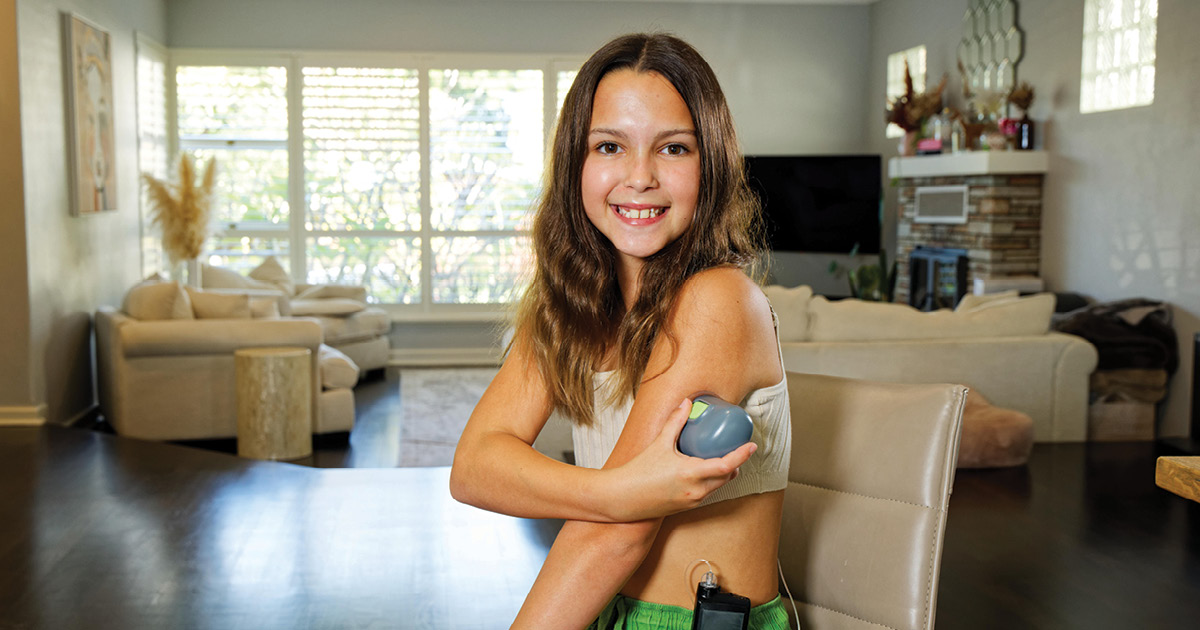
Imagine living with a condition that requires you to make approximately 180 health- related decisions every day for the rest of your life.
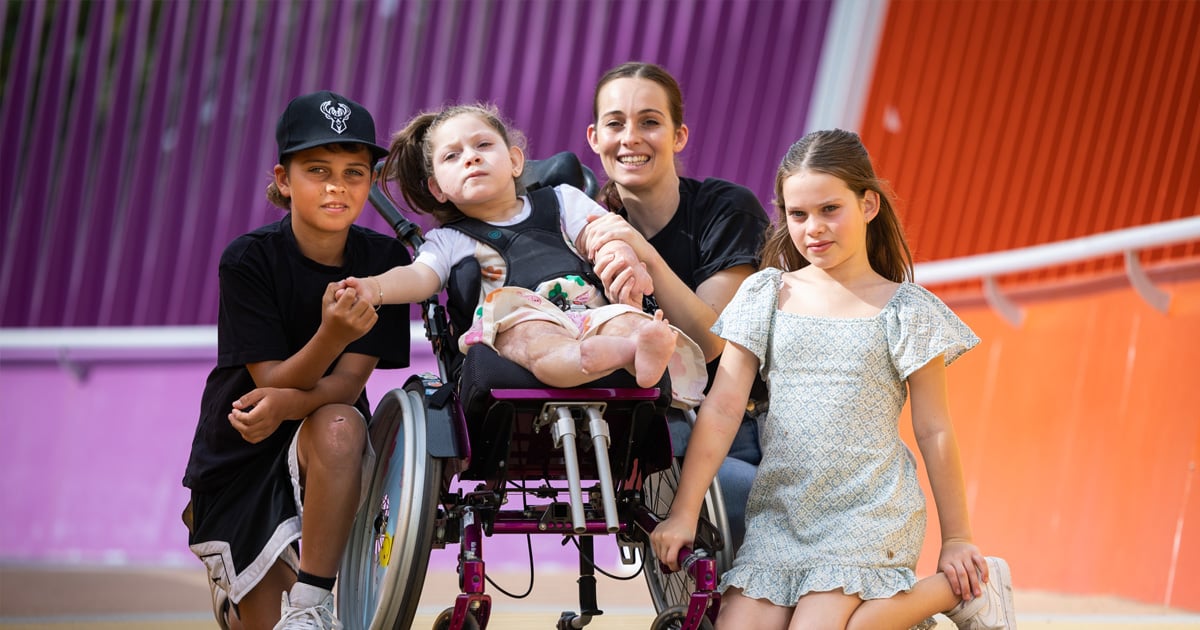
At just six months old, Tahlea Dalgety was flown from Geraldton to Perth with a slim chance of survival after contracting meningococcal disease.
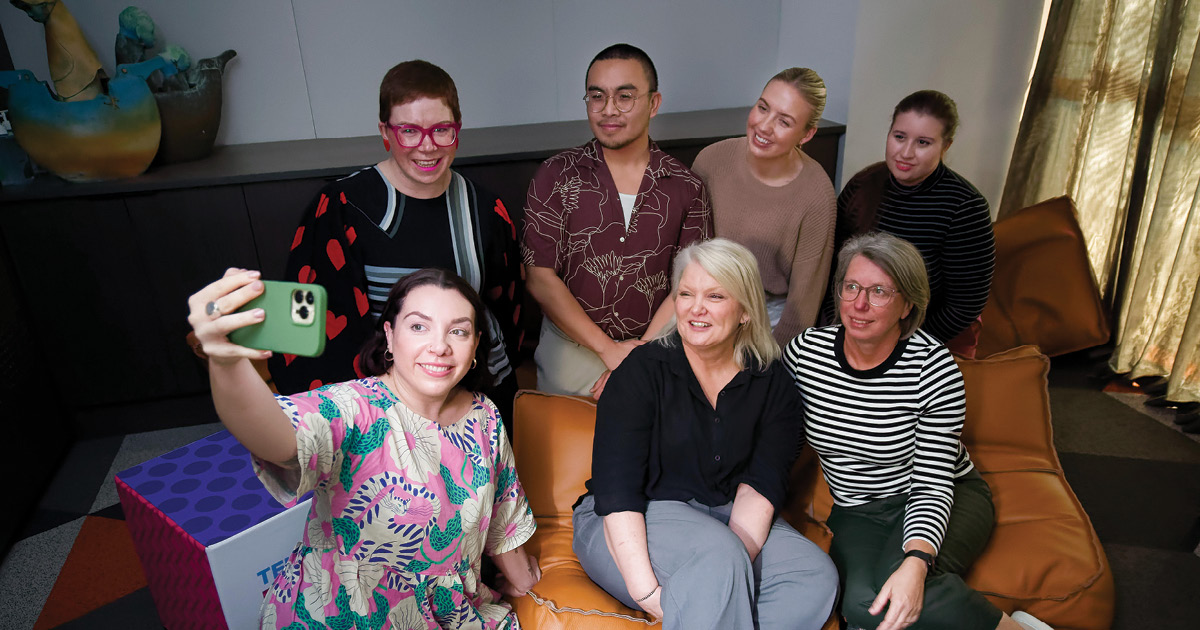
Early career researchers across The Kids Research Institute Australia have come together in a serendipitous project that is laying the groundwork for a more informed discussion of the impact of social media on kids and young people.
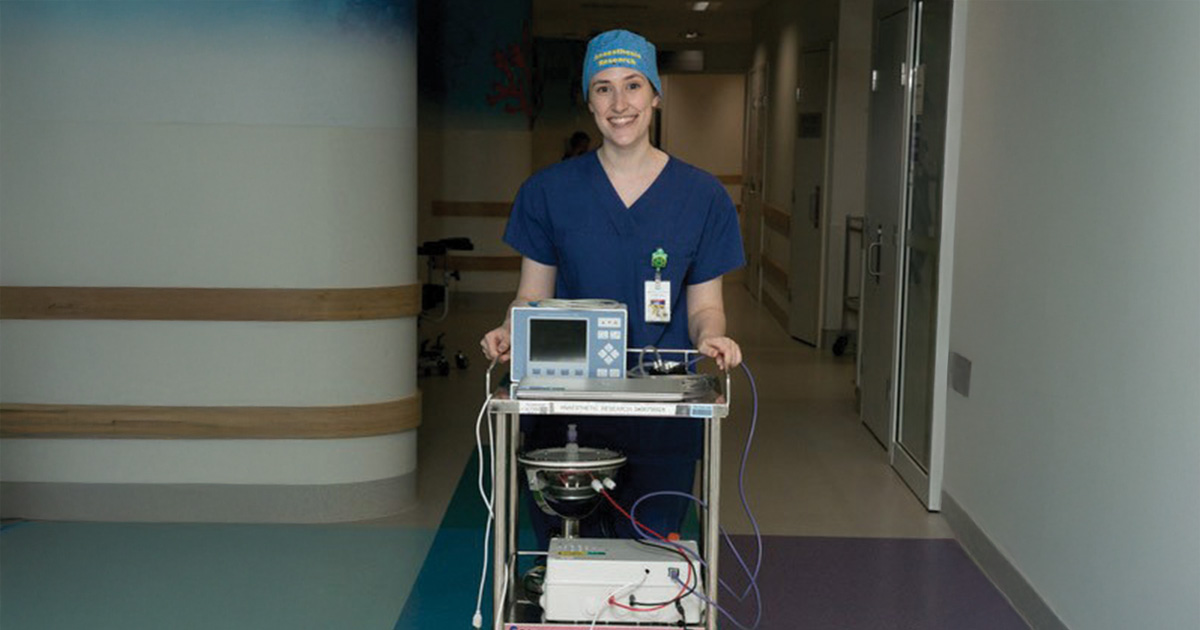
When kids are having surgery, the most common problem that can occur during anaesthesia is a respiratory adverse event.
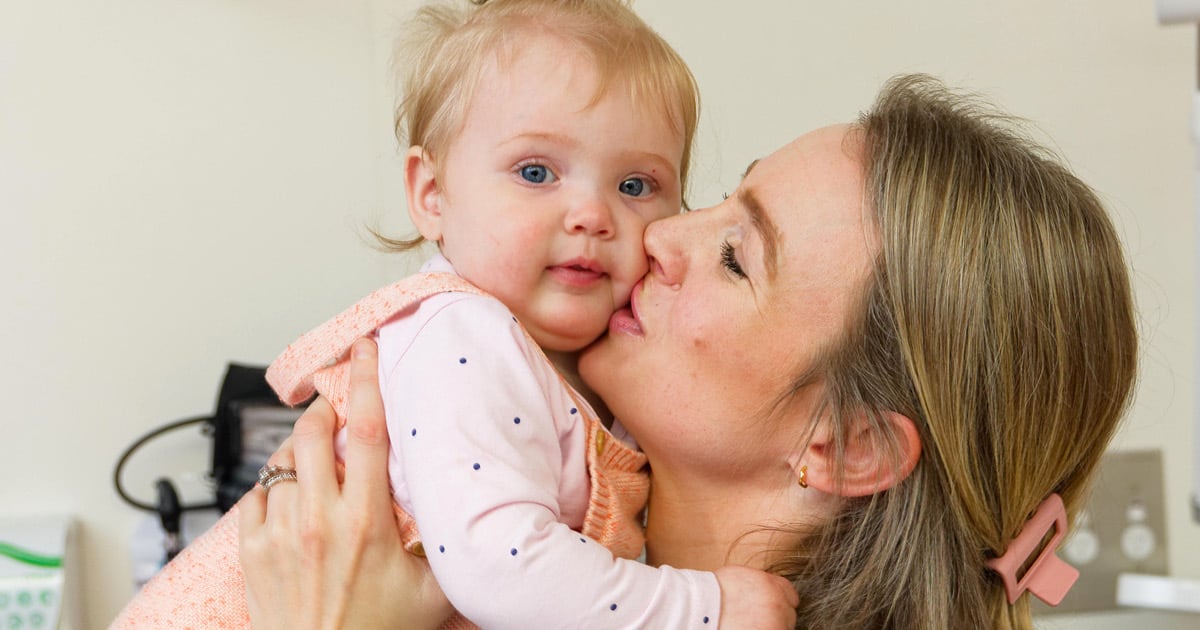
Prevention of respiratory syncytial virus (RSV) is now a real possibility thanks to the rollout of an immunisation program backed by a decade’s worth of epidemiological research led by The Kids Research Institute Australia.
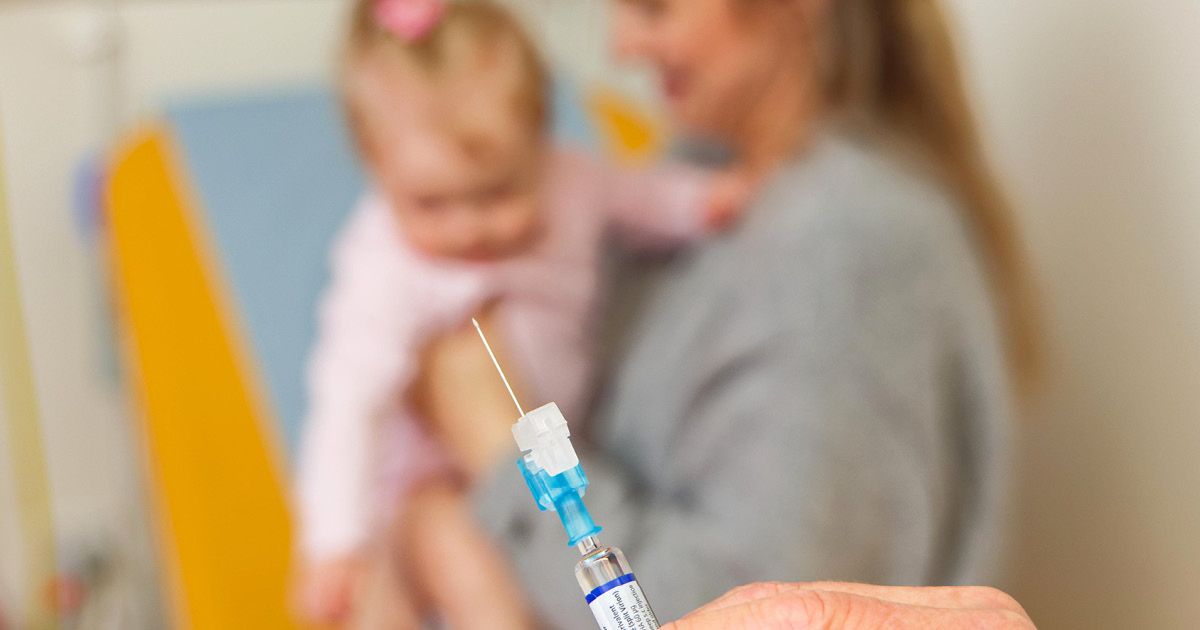
As a leading research site in Australia, the Wesfarmers Centre of Vaccines and Infectious Diseases played an instrumental role in the global effort to develop a world-first RSV immunisation for young babies.
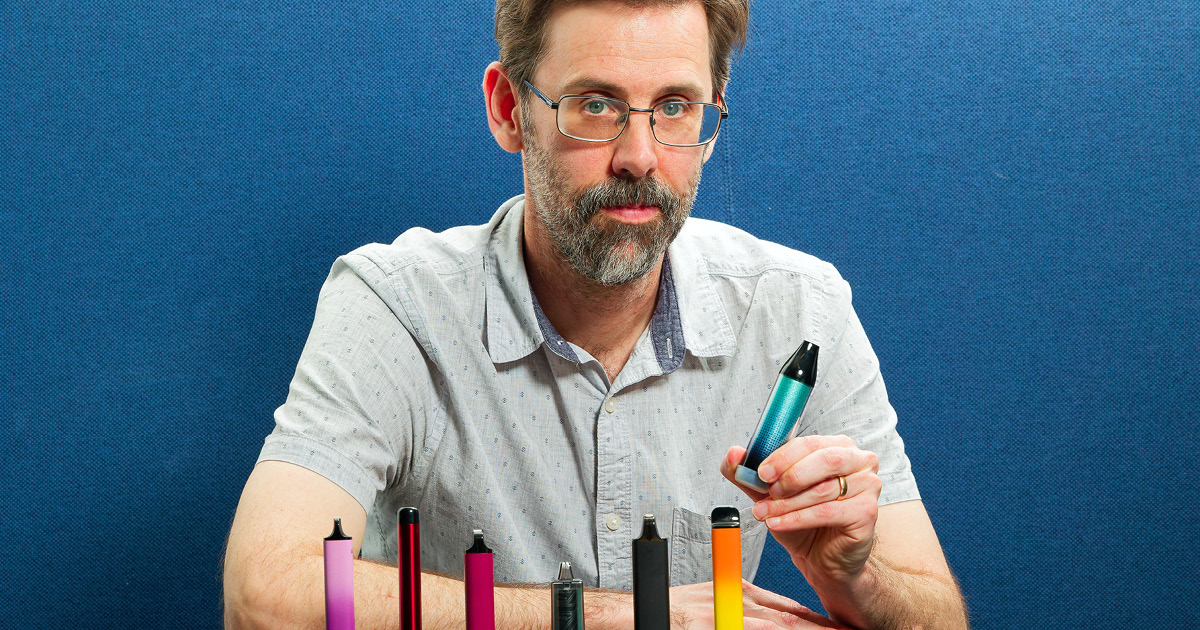
Formative research undertaken by The Kids Research Institute Australia has helped inform tough new laws introduced by the Federal Government to reduce the harm caused by vapes.