
Search
Showing results for "mental health aboriginal"
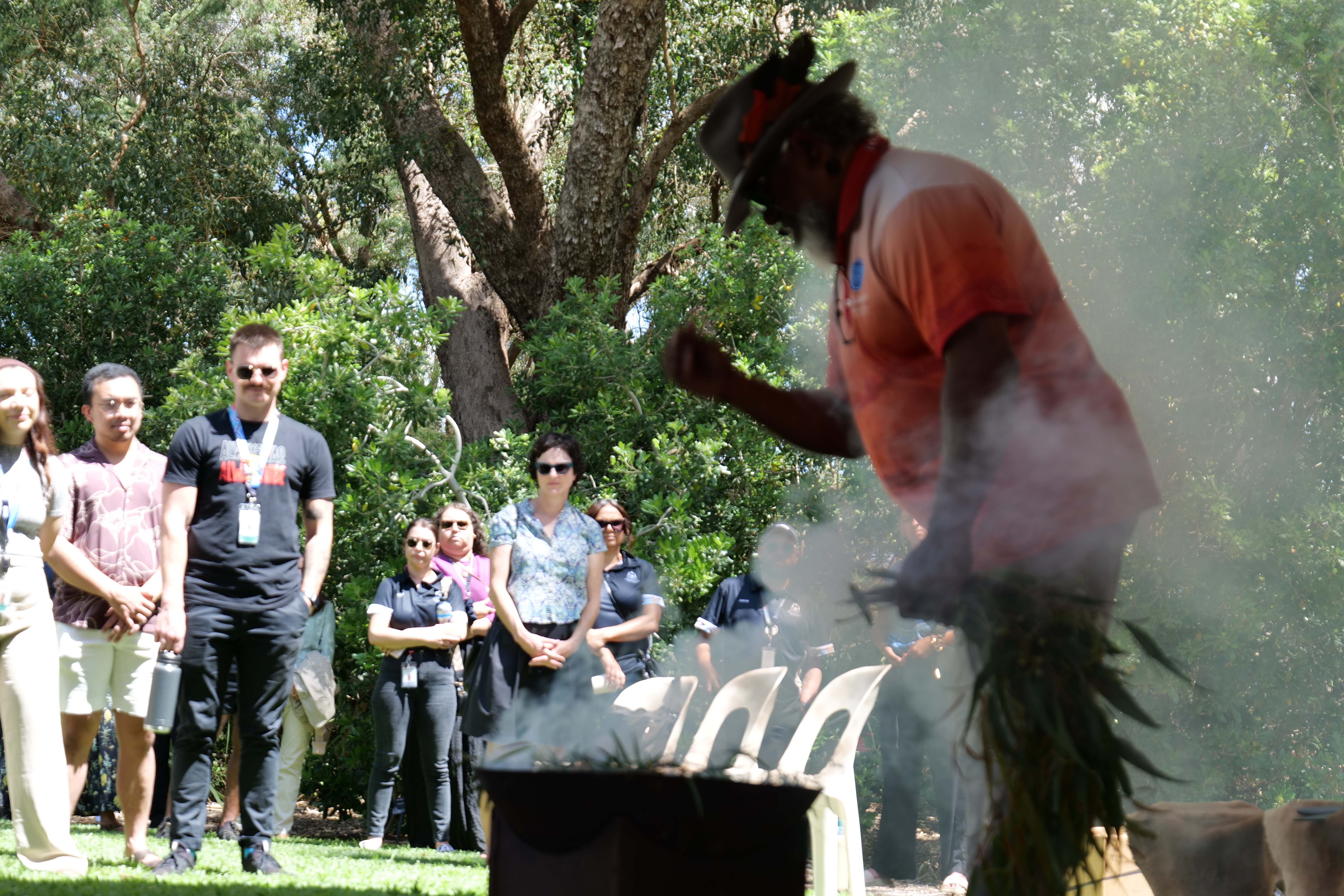
Go Cultural's Walter McGuire starts the Smoking Ceremony.
Family carers of youth recovering from early psychosis experience significant stress; however, access to effective family interventions is poor. Digital interventions provide a promising solution.
The existing literature exploring the experiences of parenting a trans child tends toward reporting the challenging aspects of the parental journey. Studies also reference positive experiences such as enhanced parent-child connectedness and affirmation of personal values. Limited dedicated research focused on the positive aspects of parenting a trans child exists. We aimed to better understand positive parental experiences accordingly.
General practitioners (GPs) have a key role in supporting young people who present with suicidal behaviour/self-harm. However, little is known about young people's opinions and experiences related to GPs' practices for such presentations, and their decisions to disclose suicidal behaviour/self-harm to GPs. Additionally, existing guidelines for the management of suicide risk and/or self-harm have not incorporated young people's perspectives. This study aimed to explore young people's views and experiences related to the identification, assessment and care of suicidal behaviour and self-harm in primary care settings with GPs.
Up to one-third of young people live with chronic physical conditions (eg, diabetes, asthma, and autoimmune disease) that frequently involve recurrent pain, fatigue, activity limitations, stigma, and isolation.
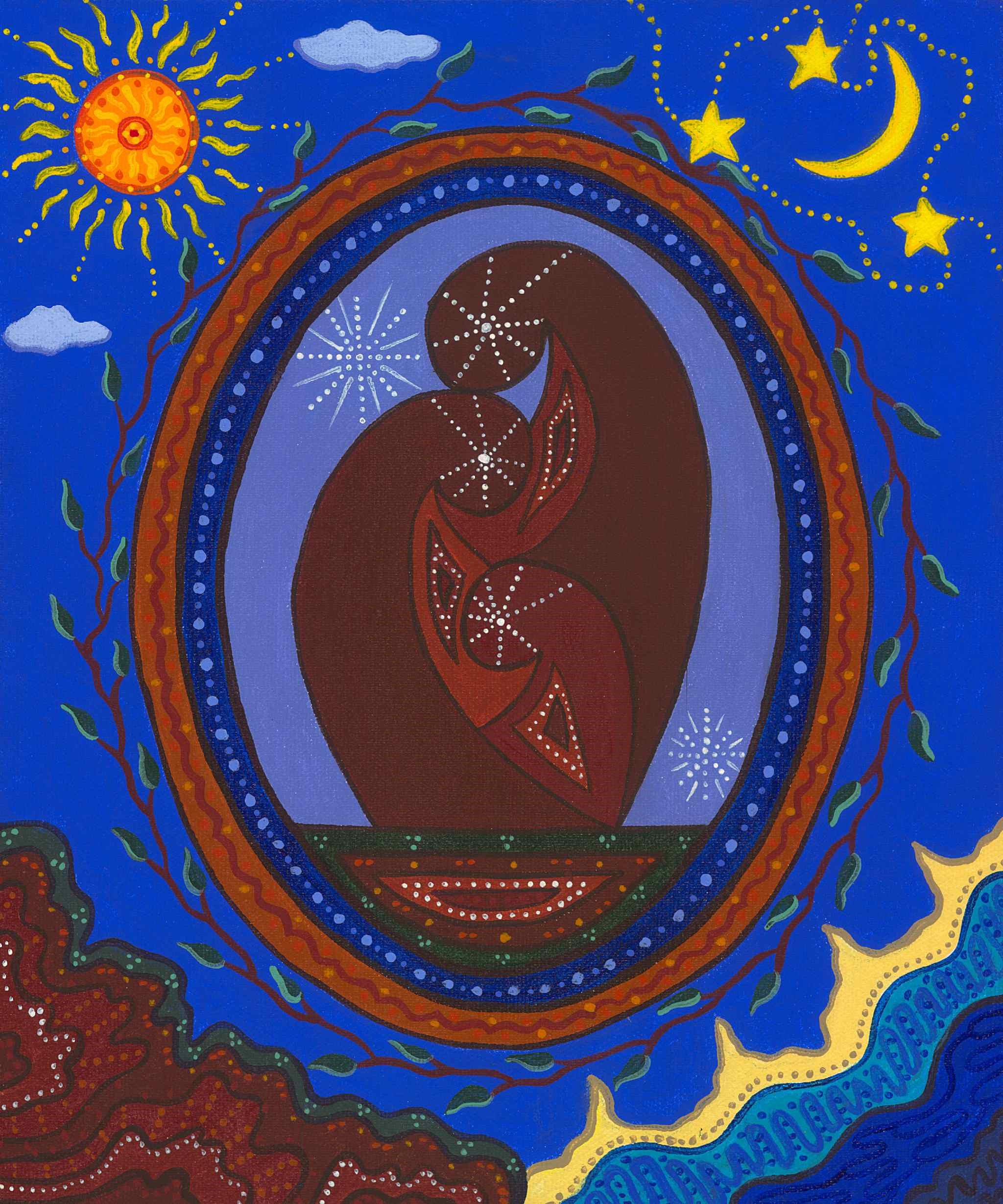
Family: Children are a gift, born from country into a family, ancestry and culture as enduring as the universe.
Having a preterm (<37 weeks' gestation) birth may increase a woman's risk of early mortality. Aboriginal and Torres Strait Islander women have higher preterm birth and mortality rates compared with other Australian women.
Senior Research Officer
The Moombaki Research team developed a pilot Cultural Integrity Audit (CIA) that was co-designed with Aboriginal elders and educators as a tool for school leaders to measure the extent of culturally safe and responsive education at three test sites in Perth (Boorloo), Western Australia. This article analyses the political and social contexts and experiences of implementing the CIA as a tool – including the commitment, attitudes and values of school leaders.
Director of First Nations Strategy and Leadership; Head, First Nations Health and Equity Research