
Search
Showing results for "mental health aboriginal"
Alexander Larcombe BScEnv (Hons) PhD Honorary Research Fellow Honorary Research Fellow Associate Professor Alexander Larcombe began work at The Kids
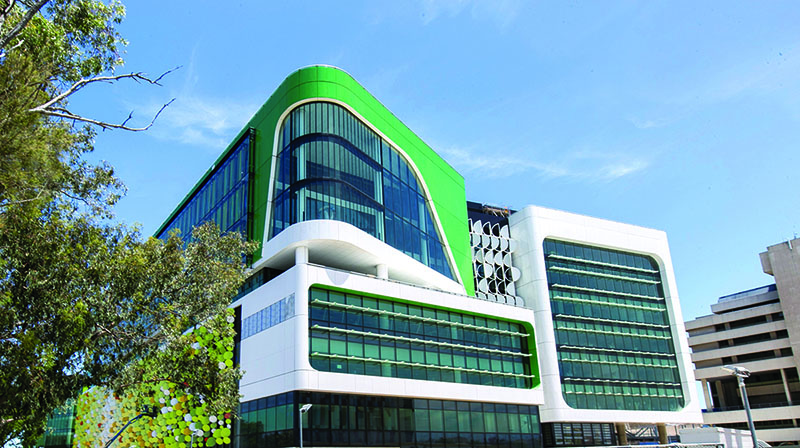
The Kids Research Institute Australia researchers have been awarded nearly $8.5 million from the National Health and Medical Research Council.
Like all of us, Dr Shelley Gorman grew up with the 'slip, slop, slap' message. And for good reason, Australia is one of the sunniest countries in the world.
The Kids for Child Health Research presents seminars from our leading researchers every Friday. They are designed to inform both the scientific co
Scholarships awarded to outstanding child health researchers
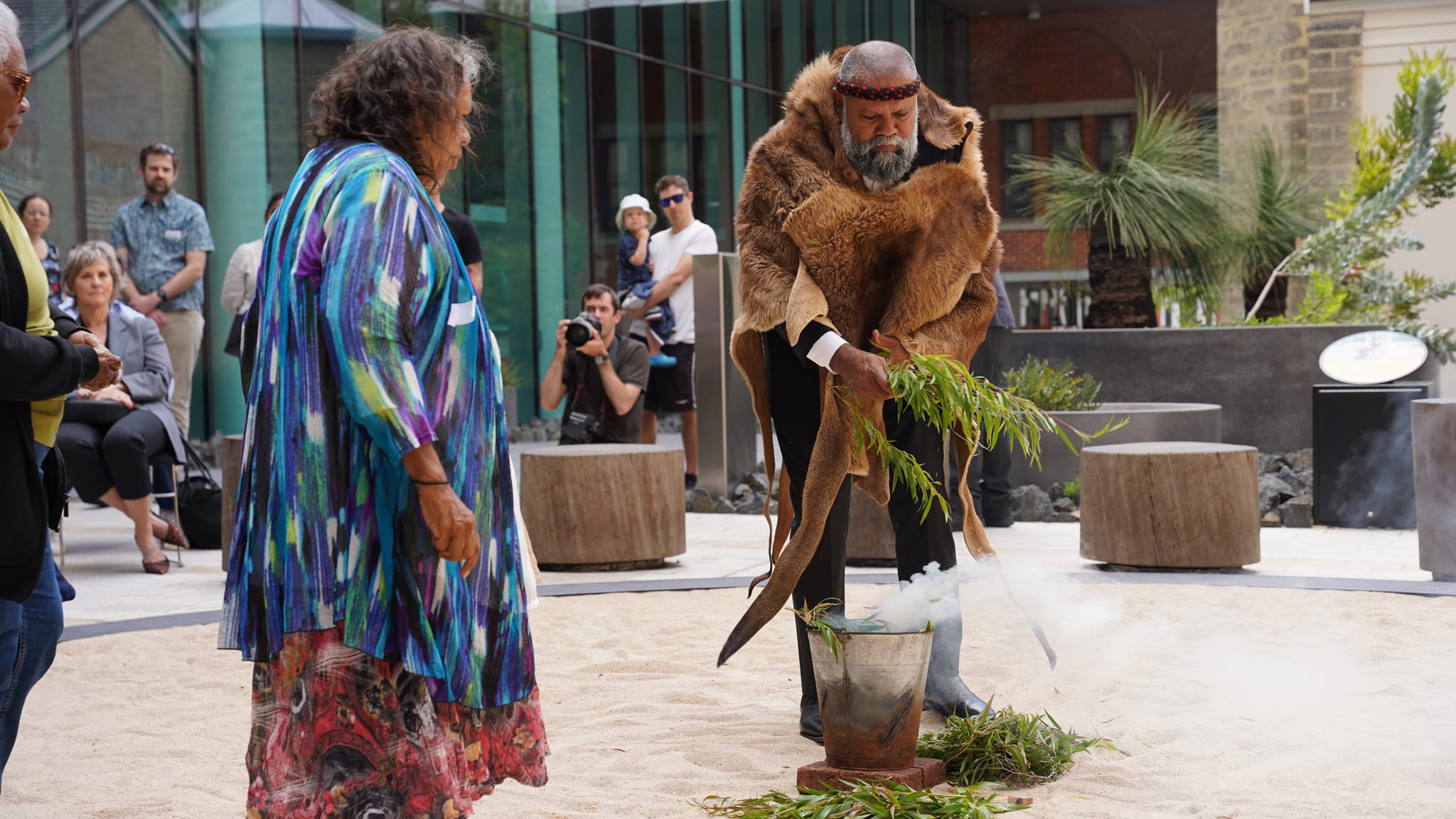
There is an urgent need for improved cultural safety for Aboriginal and Torres Strait Islander young people in mental healthcare, new research has revealed.
Stigma towards individuals with mental health concerns is a global issue, including among young people at ultra-high risk (UHR) for psychosis. This study compared two written anti-stigma resources: (a) Education and (b) Lived Experience + Education, among young adults and parents/caregivers.
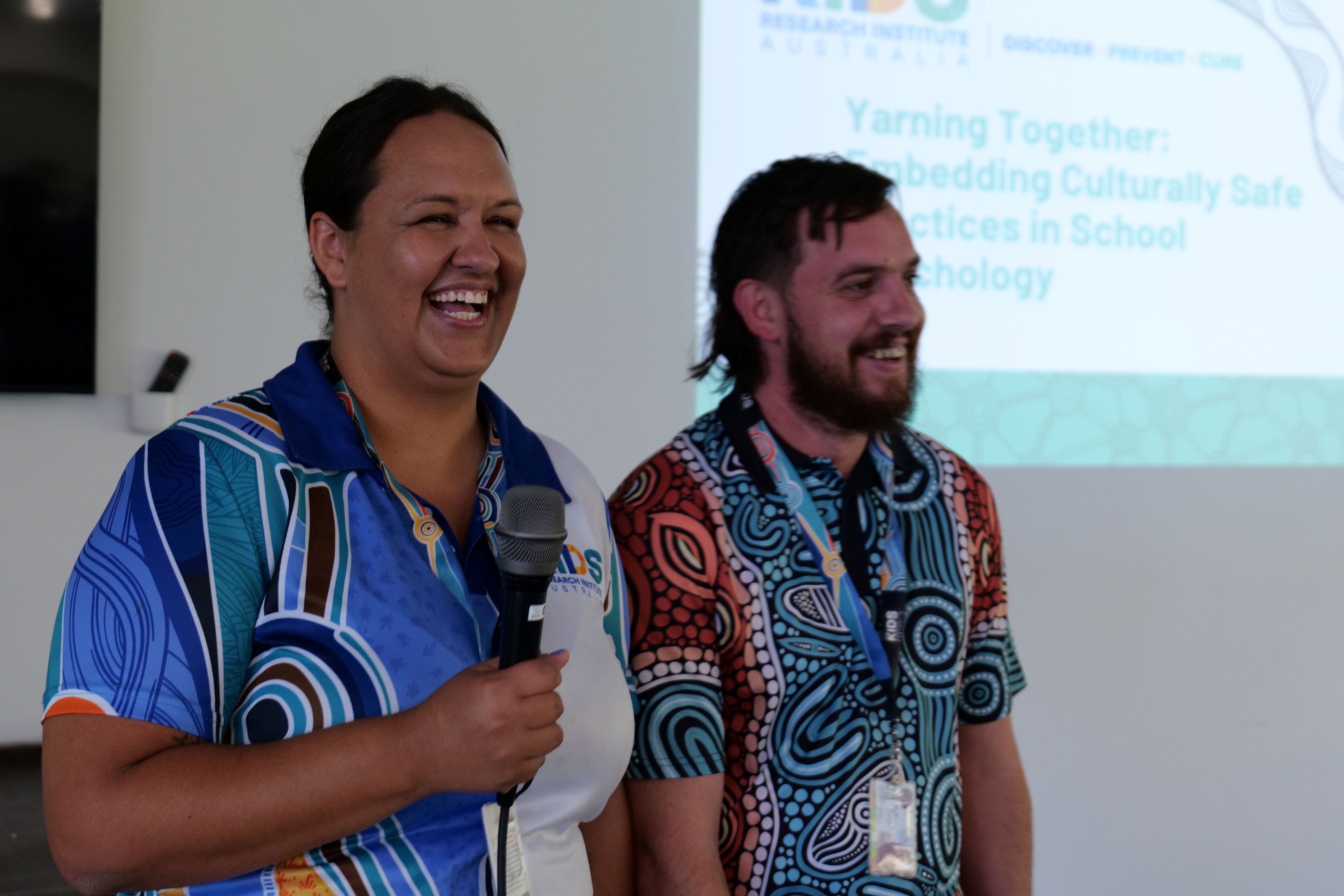
About 180 school psychologists attended an Embrace-led seminar on cultural safety earlier this week to support their professional development ahead of the school year.
The Education Department of Western Australia advocates for culturally responsive schools. Aboriginal Indigenous Education Officers are employed by schools to facilitate and enable the potential for Aboriginal school children to thrive in school settings.
This paper reports on Aboriginal parents’ perceptions about their involvement in a Western Australian pilot initiative called KindiLink. The program seeks to support parents as their child’s first teacher and thereby enhance Aboriginal children’s early-years development, while strengthening relationships between families and schools. A constructivist paradigm was used to inform the methodology which placed Aboriginal voices at the centre of the research.