
Clinical trials suggest that long-chain omega-3 polyunsaturated fatty acids (n-3 PUFAs) (fish oil) may reduce depressive symptoms in adults with majo…

Communities with poor access to mental health services are eight times more likely to be youth suicide hotspots, according to new The Kids Research I…
Children with early-life recurrent otitis media (OM) will often endure pain, sleep disturbances, and other developmental setbacks that impact the sur…
Mother-infant interactions during the first year of life are crucial to healthy infant development. The infant-directed speech (IDS), and specificall…
The social media application TikTok allows users to view and upload short-form videos. Recent evidence suggests it has significant potential for both…
Few studies have examined associations between gender non-conformity (GNC) in childhood or adolescence and mental health outcomes later in life. This…
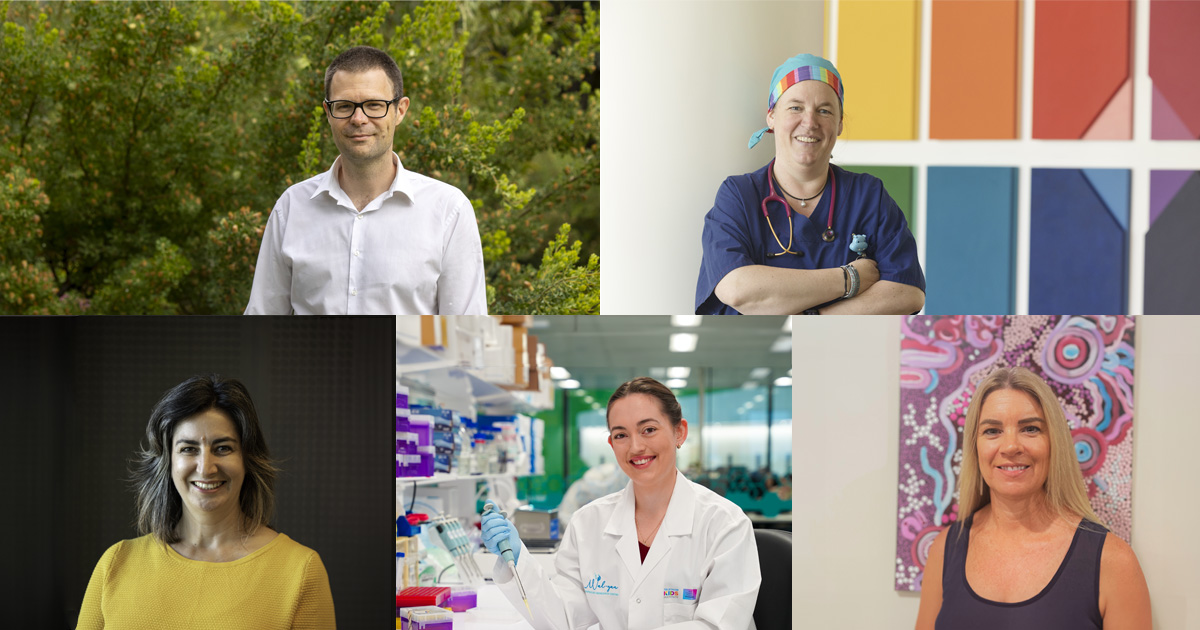
Five The Kids Research Institute Australia researchers working across diverse and highly impactful areas of child health research have been named as…
This research aims to improve the mental health of LGBTQIA+ individuals through enhanced inclusive practice training for trainee health professionals.
Some studies indicate siblings of transgender (trans) and gender diverse young people often experience negative mental health impacts such as anxiety…
Substance use disorders (SUDs) cause significant harm to regional Australians, who are more likely to misuse alcohol and other drugs (AODs) and encou…