
Search
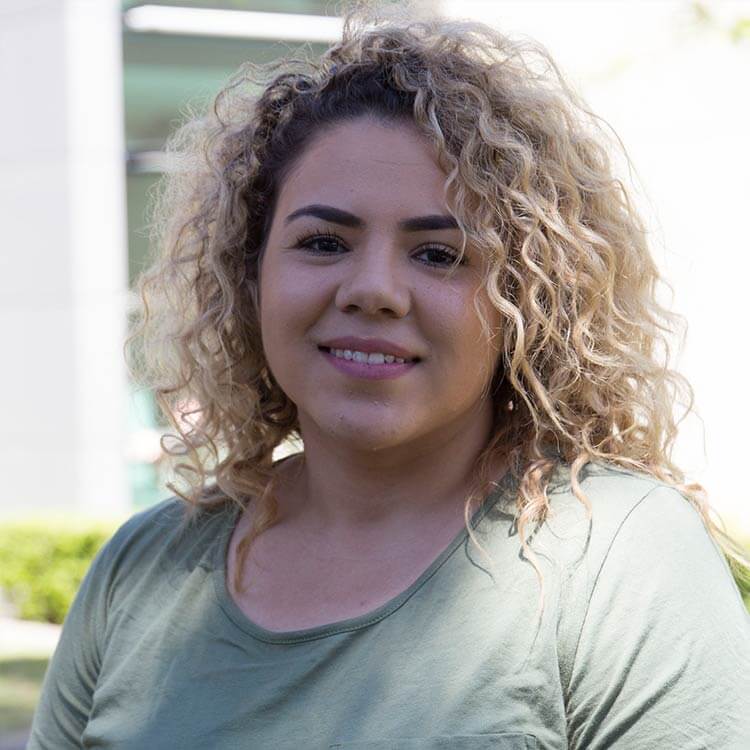
25 year old Noongar woman Tiana Culbong, a The Kids Research Institute Australia researcher, has been named as a finalist in the WA Youth Awards.
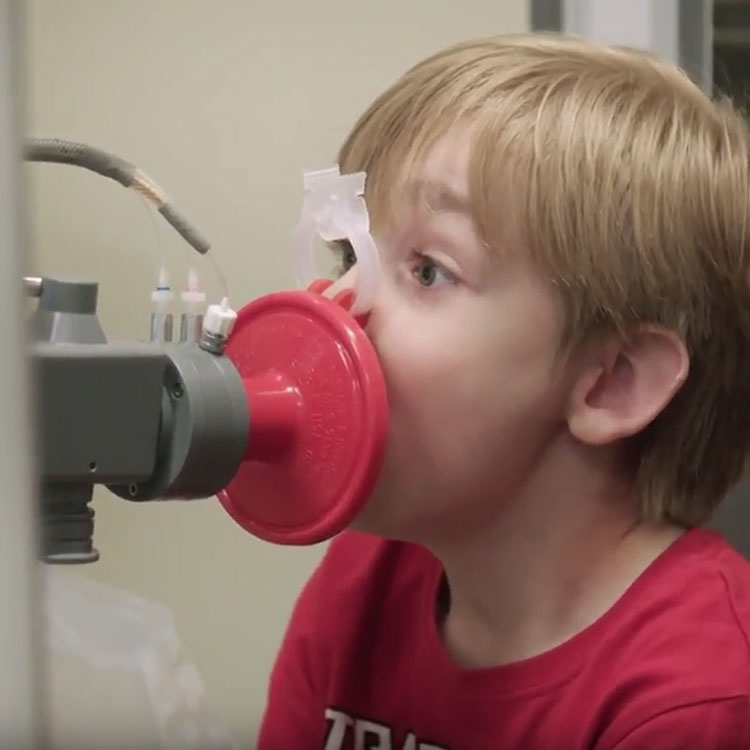
Australia has one of the highest burdens of asthma in the world. In this video, two Perth families share their story of raising children with the respiratory co
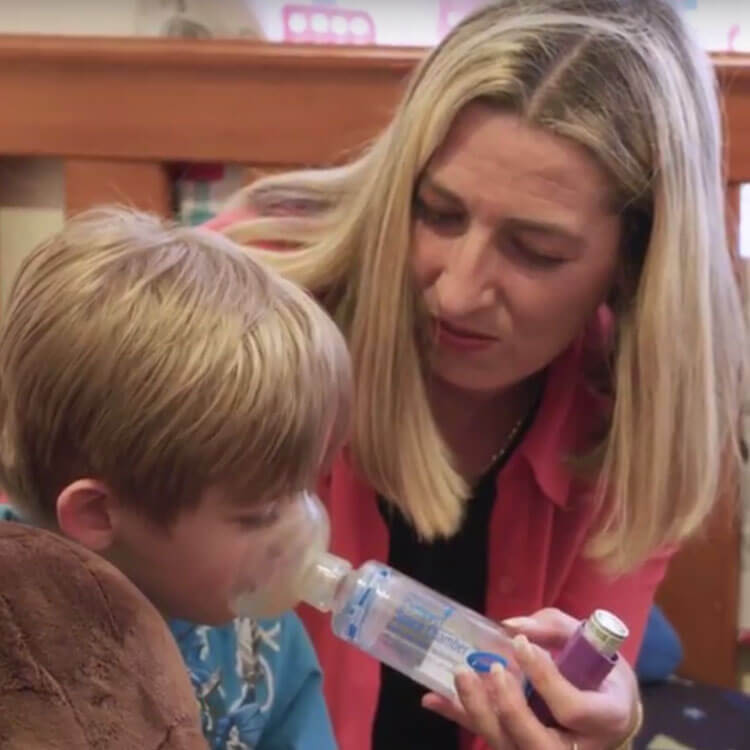
Michelle has spent countless nights watching her son struggle to breathe. Our researchers are working to find better treatments for kids living with asthma.
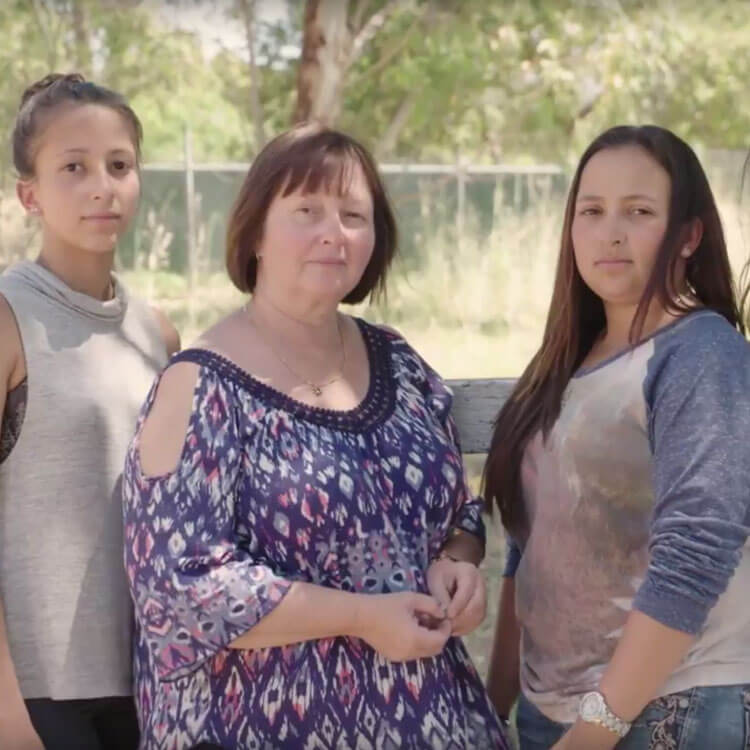
The Kids Research Institute Australia researchers are at the forefront of asthma research globally. Watch Karen's story to learn why it's so important.
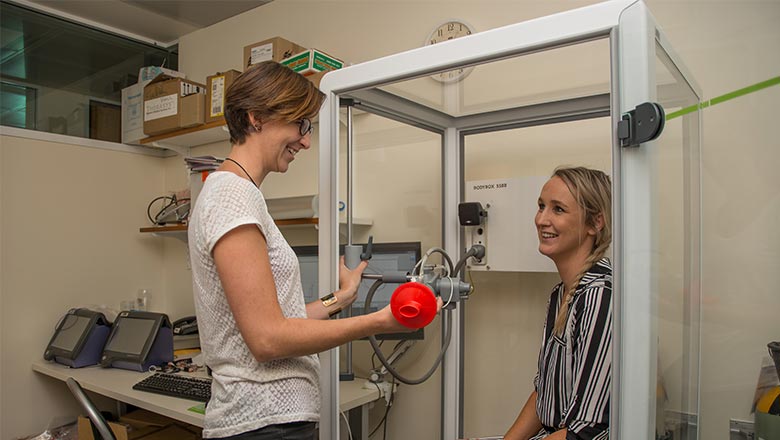
Researchers are urging caution in the use of a widely accepted test for diagnosing asthma, after their study found it may not be accurate in some settings.
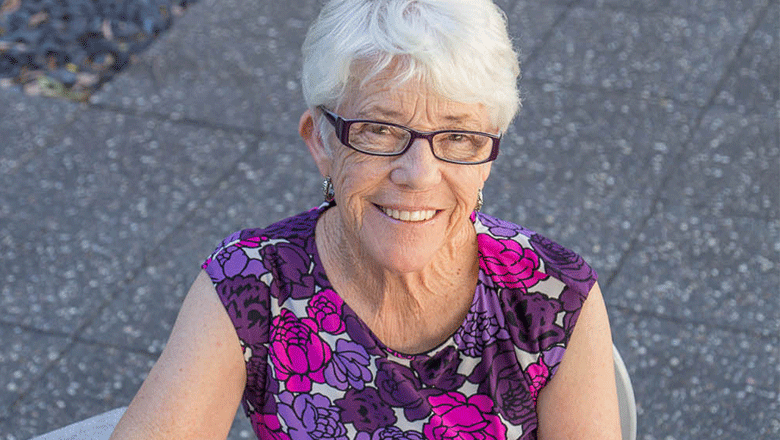
Anne MacKenzie has been recognised with the award of Member of the Order of Australia (AM).
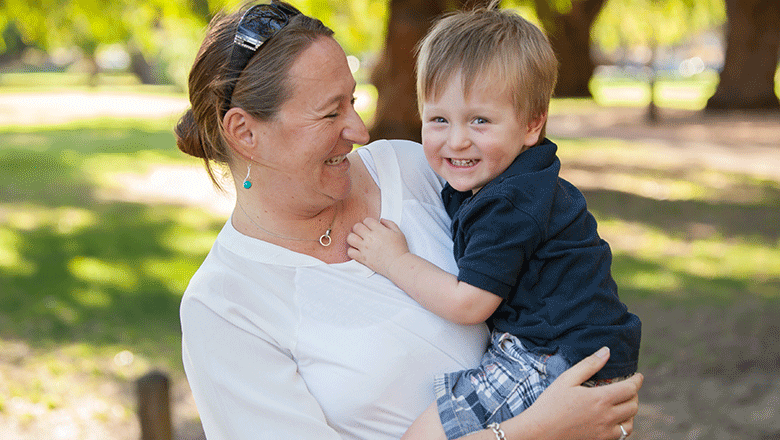
The Australian Early Development Census National Conference 2015 will be held from 18-20 February 2015.
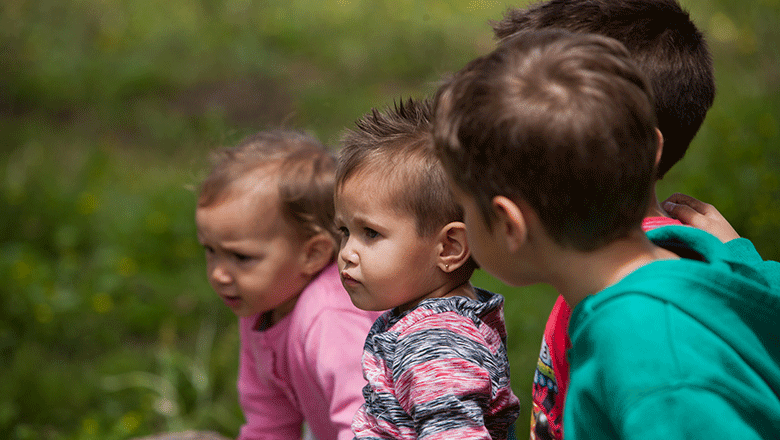
Acknowledging the enormous efforts in ear health programs across WA, we invite stakeholders to assist us in establishing research priorities.
The Kids Research Institute Australia have shown that genetic variations that influence BMI and diabetes are similar to those in non-Aboriginal populations.

Researchers at Perth's The Kids Research Institute Australia have begun a study that could provide new insights into the role of vitamin D in the risk of multiple sclerosis (