
Search
Showing results for "mental health aboriginal"
Perceived stigma and self-stigma negatively affect identity-related, psychological and functional outcomes among stigmatised populations. There is limited research exploring the impact of stigma among young people at ultra-high risk (UHR) for psychosis. We investigated the association of perceived stigma and self-stigma with these outcomes in young people at UHR.
Parents of children with attention-deficit/hyperactivity disorder (ADHD) often make disclosure decisions about their child's ADHD on their behalf. While disclosure can facilitate access to support, it risks stigma. Despite ADHD being one of the most common neurodevelopmental conditions, little is known about parent's experiences in relating information about their child's ADHD diagnosis or medication use, to others.
The construct of empowerment is associated with beneficial outcomes in numerous populations with well-being across multiple domains. Within families, empowerment has been found to be related to both parent and child well-being. As such, empowerment appears to be a promising concept to support parents of young (< 18 years) trans and gender diverse children and adolescents; however, what empowerment means for parents of trans children and adolescents is not known.
André Schultz MBChB, PhD, FRACP Head, BREATH Team Head, BREATH Team Prof André Schultz is the Head, BREATH Team at The Kids Research Institute
Optimise+ is a research project designed to build on the best parts of LGBTQ+ community-controlled mental health and AOD services across Australia, with the aim of further enhancing service options.
Non-communicable diseases (NCDs) such as cancer, diabetes, heart disease, mental disorder and chronic lung conditions are the leading cause of death and disability in Indonesia. Adolescence is when risks for NCDs emerge and it is also an important life stage for intervention, yet young people are often at the margins of NCD policy and actions.
We investigated predictors of nasopharyngeal carriage in Australian Aboriginal and non-Aboriginal children.

The National Aboriginal and Torres Strait Islander Leadership in Mental Health welcomes funding by the Australian Government
School attendance should therefore be a priority for all schools, and not just those with high rates of absence or low average achievement.
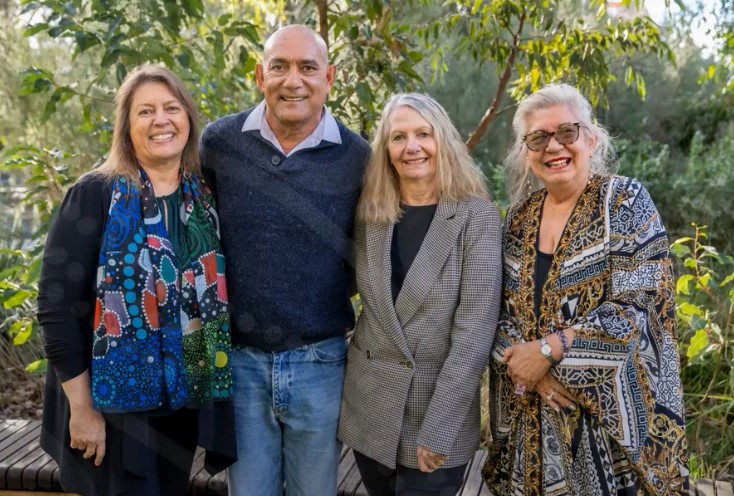
Professor Helen Milroy, Michael Mitchell, and Professors Roz Walker and Pat Dudgeon sat on the panel to discuss Working Together, 10 years on.