
Search
Showing results for "aboriginal respiratory"
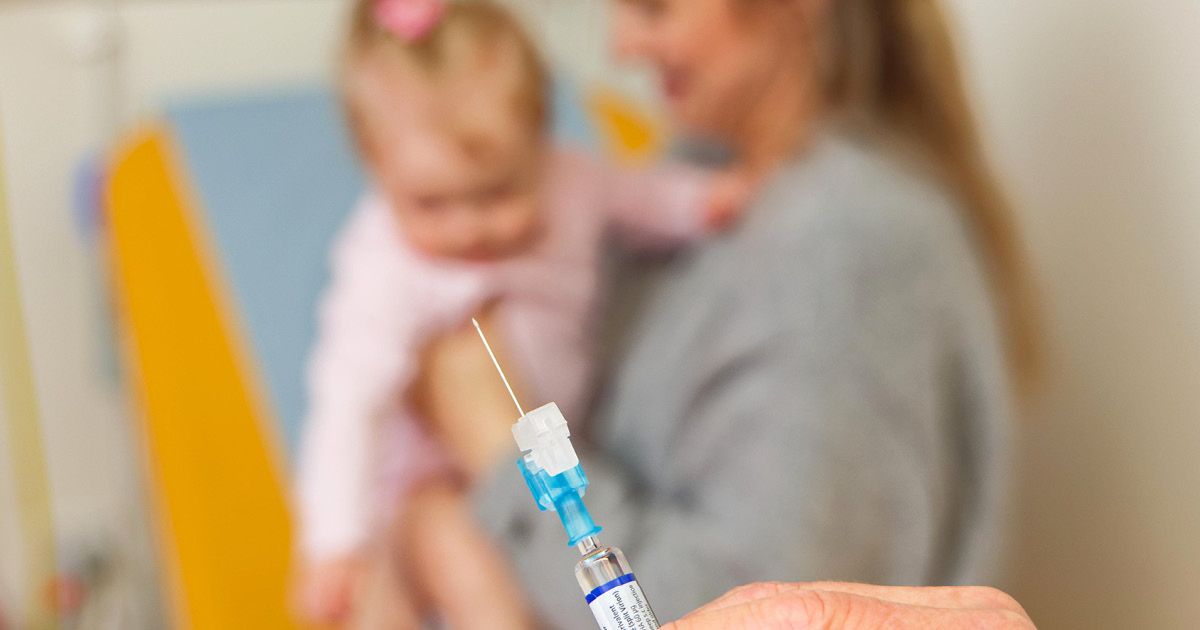
As a leading research site in Australia, the Wesfarmers Centre of Vaccines and Infectious Diseases played an instrumental role in the global effort to develop a world-first RSV immunisation for young babies.
Representing a 30-year interdisciplinary collaboration between The Kids, Perth Children’s Hospital, and WA Universities, the combined global impact of work from this Centre over the last 10 years has equalled some of the most influential paediatric centres around the world.

Aboriginal Research Assistant
Diagnosing urinary tract infections (UTIs) in children in the emergency department (ED) is challenging due to the variable clinical presentations and difficulties in obtaining a urine sample free from contamination.
Over 5 days, 120 schoolchildren from two schools in the remote Kimberley region of Australia were screened for Strep A pharyngitis. Molecular point-of-care testing identified Strep A pharyngitis in 13/18 (72.2%) symptomatic children. The portability and feasibility of molecular point-of-care testing was highly practical for remote settings.
Modulation of ASL pH has been proposed as a therapy for CF. However, evidence that ASL pH is reduced in CF is limited and conflicting.
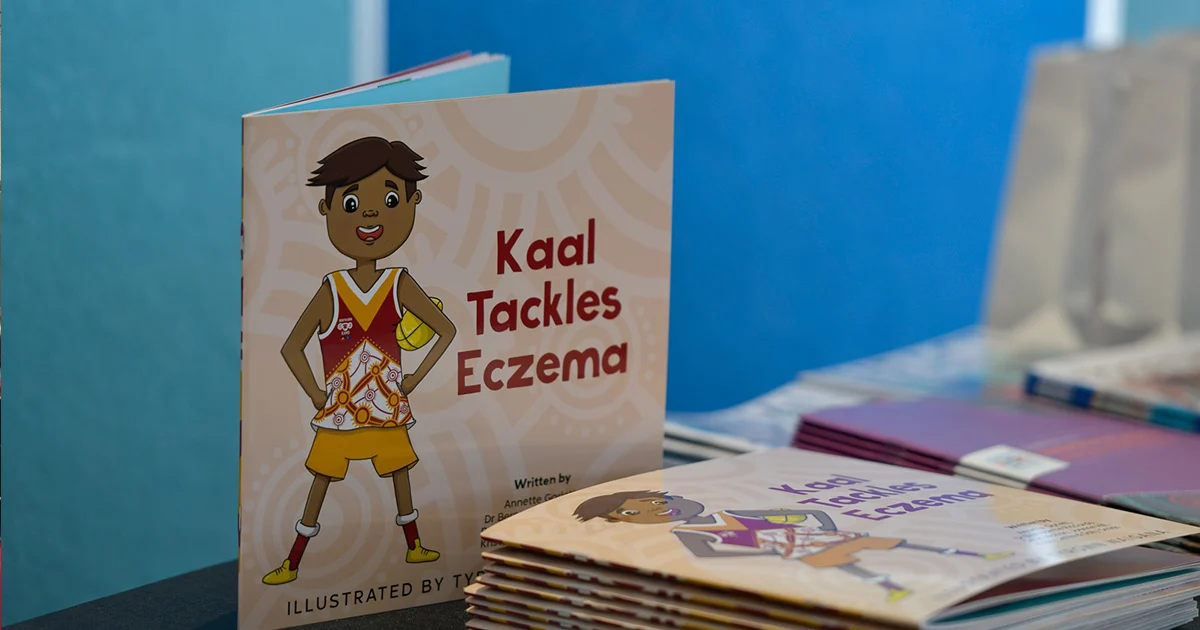
In close partnership with Aboriginal Elders and community members in Western Australia's south-west, we created ‘Kaal Tackles Eczema’, a children’s book to help Aboriginal families manage eczema. Our research showed a high prevalence and need for culturally relevant resources. The book uses Noongar language and art to educate and reduce infections, and is available online and in schools.
A systematic review: Identifying the prevalence rates of psychiatric disorder in Australia's Indigenous populations.
Program Manager
Review the hospital-based research that the Wesfamers Centre of Vaccines & Infectious Diseases conducts.