
Search
Showing results for "aboriginal respiratory"
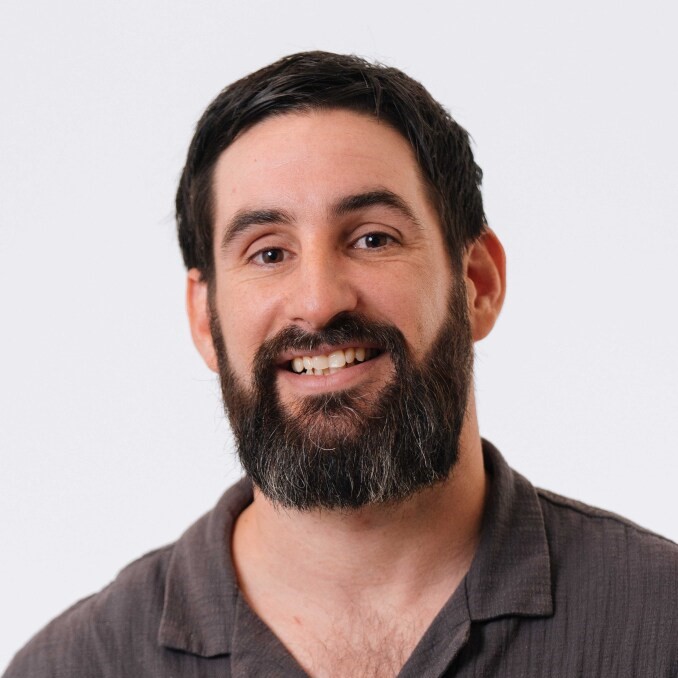
Daniel McDonough is a Research Assistant in the Adolescent Health and Wellbeing team at The Kids Research Institute Australia.
Improving the educational experiences of Aboriginal children and young people
To describe the process for assembling a linked study that will enable the conduct of population-based studies related to immunisation and immunisation policy.
Influenza vaccine was offered to all children aged 6-59 months resident in Western Australia in 2008, and we wished to evaluate the effectiveness of this immunisation programme.
Program Manager
Pneumonia remains a leading cause of hospitalization and death among young children worldwide, and the diagnostic challenge of differentiating bacterial from non-bacterial pneumonia is the main driver of antibiotic use for treating pneumonia in children. Causal Bayesian networks (BNs) serve as powerful tools for this problem as they provide clear maps of probabilistic relationships between variables and produce results in an explainable way by incorporating both domain expert knowledge and numerical data.
Aboriginal Research Assistant
Aboriginal Research Assistant
As part of the discussions with Kimberley Aboriginal Medical Service (KAMS) to establish the Broome site of the WAAHKN it has been agreed to establish...
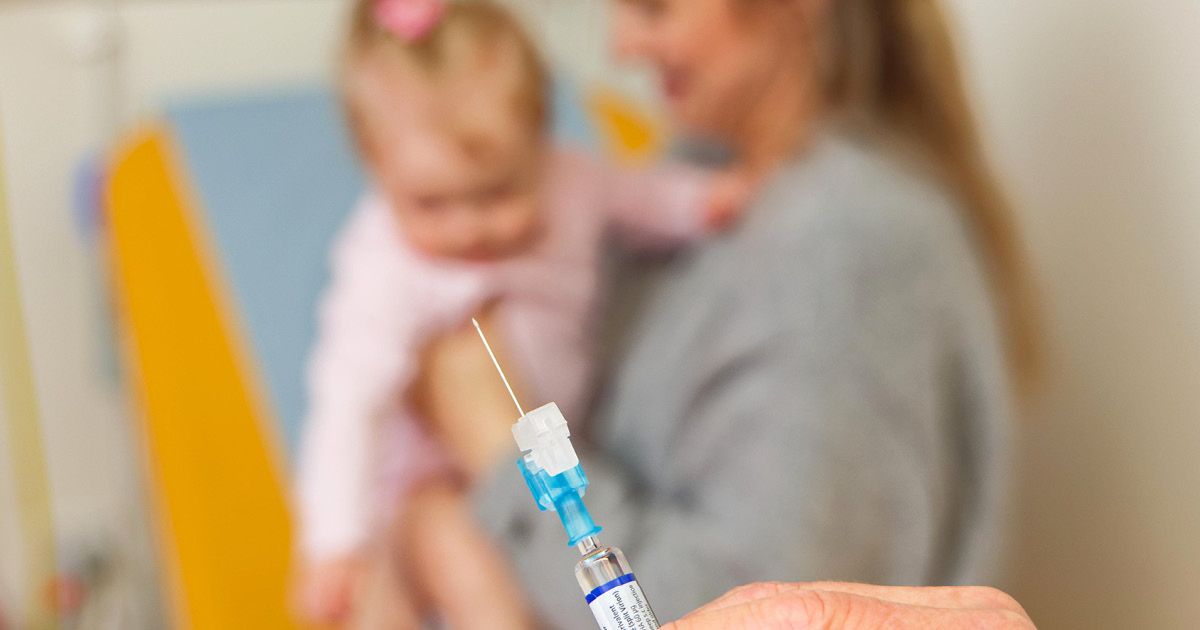
As a leading research site in Australia, the Wesfarmers Centre of Vaccines and Infectious Diseases played an instrumental role in the global effort to develop a world-first RSV immunisation for young babies.