
Search
Showing results for "autism"
Publications from 2016 dating back to 1993 of AussieRett researchers, showing the research work into Rett syndrome and related disorders.
This study investigated the effects of Mindful Self-Compassion (MSC) training on the mental health of gender and sexually diverse young adults (aged 18–25 years) in Australia. A single-blind randomized controlled trial was conducted in 2020–2022 comparing an online-delivered 8-week group MSC training program with a waitlist control.
Maternal psychological distress is related to poorer physical and mental health as well as child developmental problems. Interventions that optimise maternal mental health and wellbeing during the "first 1,000 days" of life should have wide-reaching benefits for the mother and her child.
Positive maternal mental health during the perinatal period contributes to general well-being and positive emotional bonds with the child, encouraging an optimal developmental trajectory. Online interventions to enhance maternal well-being and develop coping skills, such as meditation-based interventions, can be a low-cost way to improve mother and child outcomes.
Graham Jenny Peter Hall Downs Jacoby BAppSci PhD CRFS FANZSRS FThorSoc FERS BApplSci (physio) MSc PhD BA (Hons) MSc Honorary Research Associate Head,
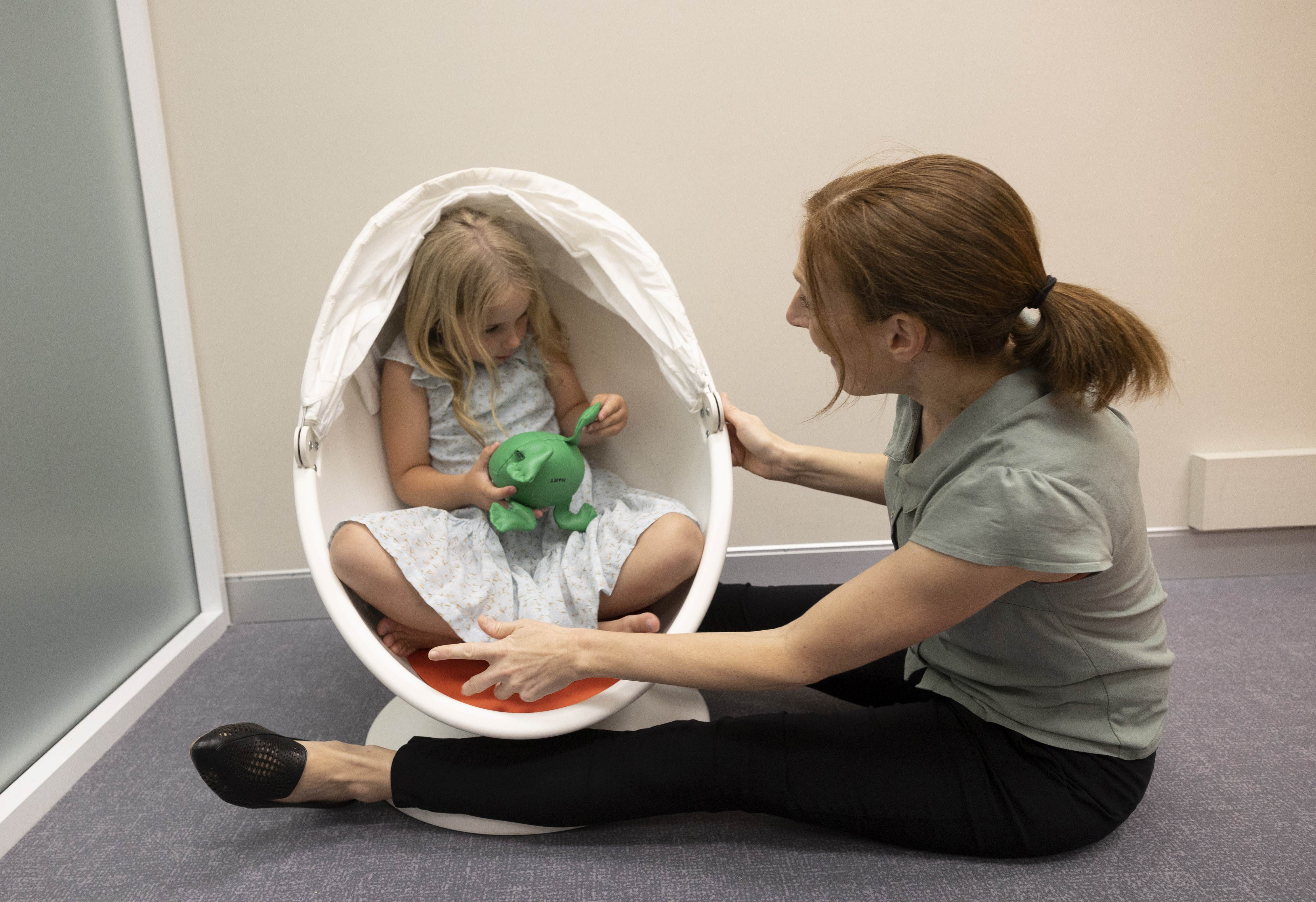
This blog aims to explore what emotions are, why they are important, and how we can support children to develop their ability to understand and express their own emotions in a healthy way.

AuStralian Collaboration to Enhance Neuro-Development

In this blog, Speech Pathology Clinical Lead Aria May looks at telehealth and how it can support children and families with their therapy goals.
Clinicians who counsel prospective ART patients about birth defect risk should provide information about the overall risk of having a child with a birth defect
In Australia the 7-valent pneumococcal conjugate vaccine (PCV7) is administered at 2, 4 and 6 months of age, with no booster dose.