
Search
Showing results for "mental health aboriginal"
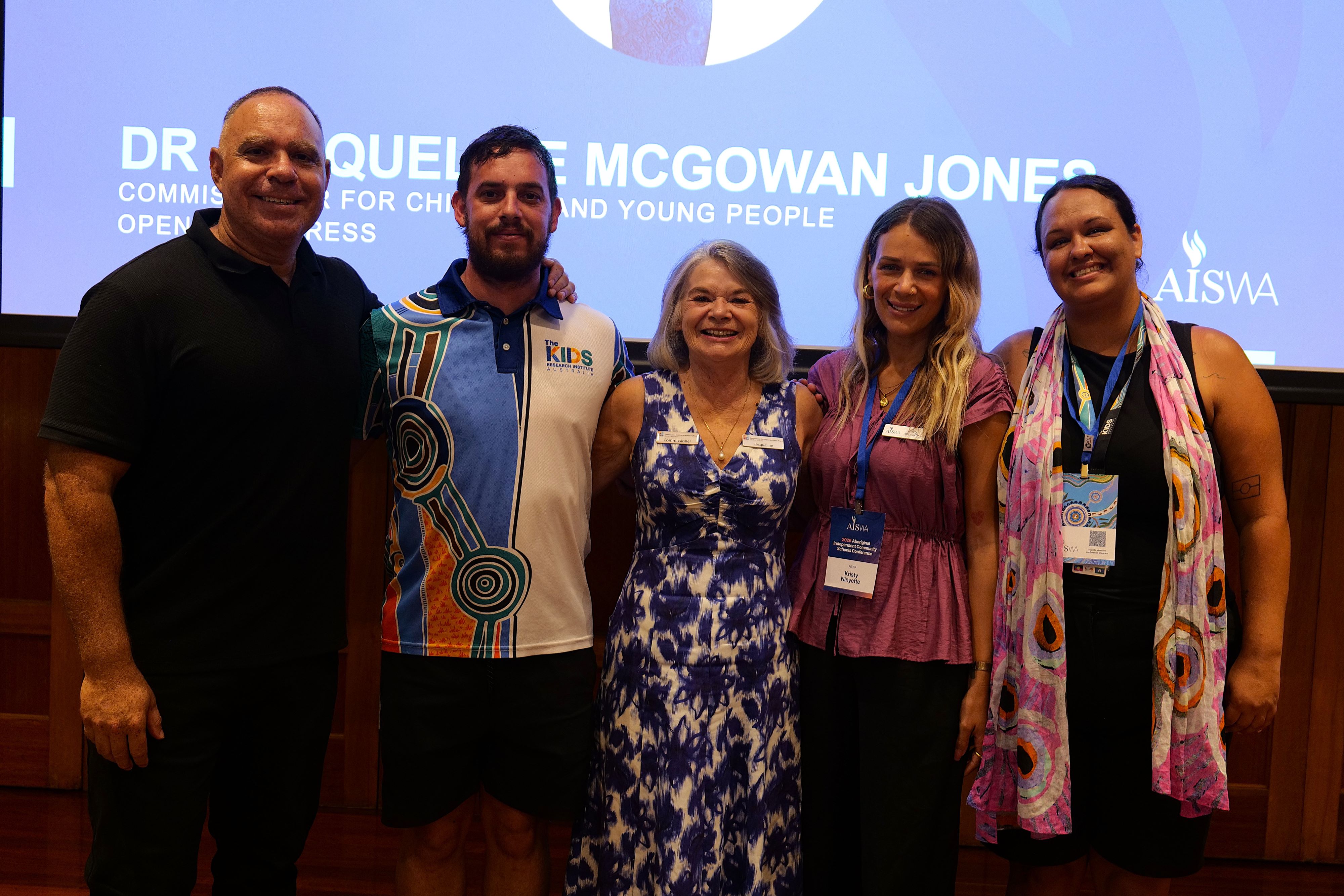
Embrace and Healing Kids, Healing Families have shared findings from their cultural safety research with independent school staff from across WA and the NT.
Streptococcus pneumoniae, Moraxella catarrhalis, and nontypeable Haemophilus influenzae is associated with otitis media
This project explores the mental health and support needs of Australians with complex experiences of gender-affirmation.
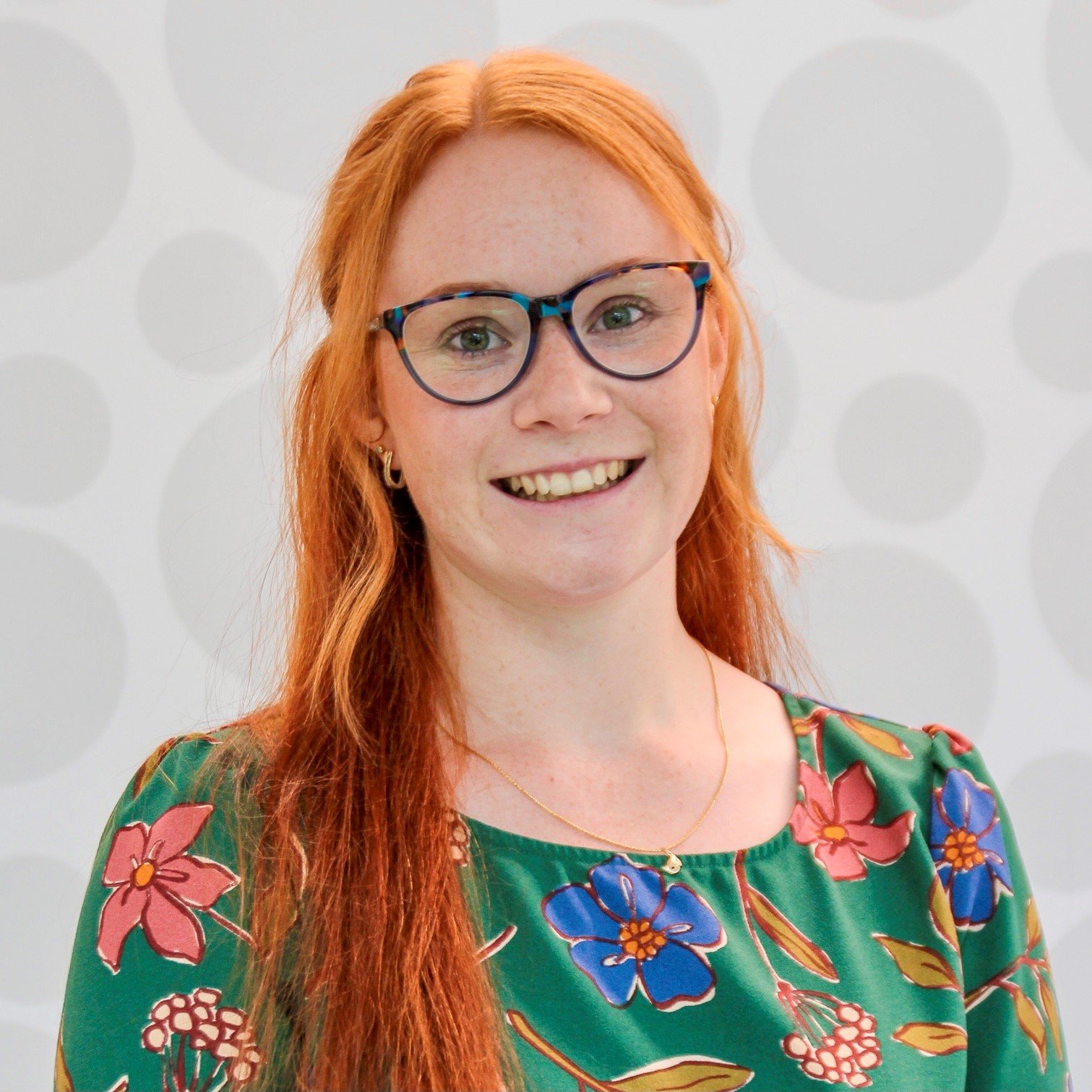
Postdoctoral Researcher

A new report that suggests strong connection to culture can help protect Aboriginal & Torres Strait Islander children from sexual abuse in institutions.
Parental support is strongly associated with protective factors across a range of child health outcomes for trans young people. Commonly, parents report barriers to supporting their child such as lack of understanding and difficulty in accessing information and support regarding gender diversity.
We want to better understand the relationship between parents/carers and their children who identify as trans or gender diverse with the aim of improving the well-being of the whole family.
Lesbian, Gay, Bisexual, Transgender, Intersex, Queer, Asexual/Aromantic (LGBTIQA+) people and other individuals with diverse sexual orientation, sex and/or gender identity experience intimate partner violence (IPV) at higher rates than non-LGBTIQA+ people but often receive inconsistent culturally competent healthcare, which deters help-seeking.
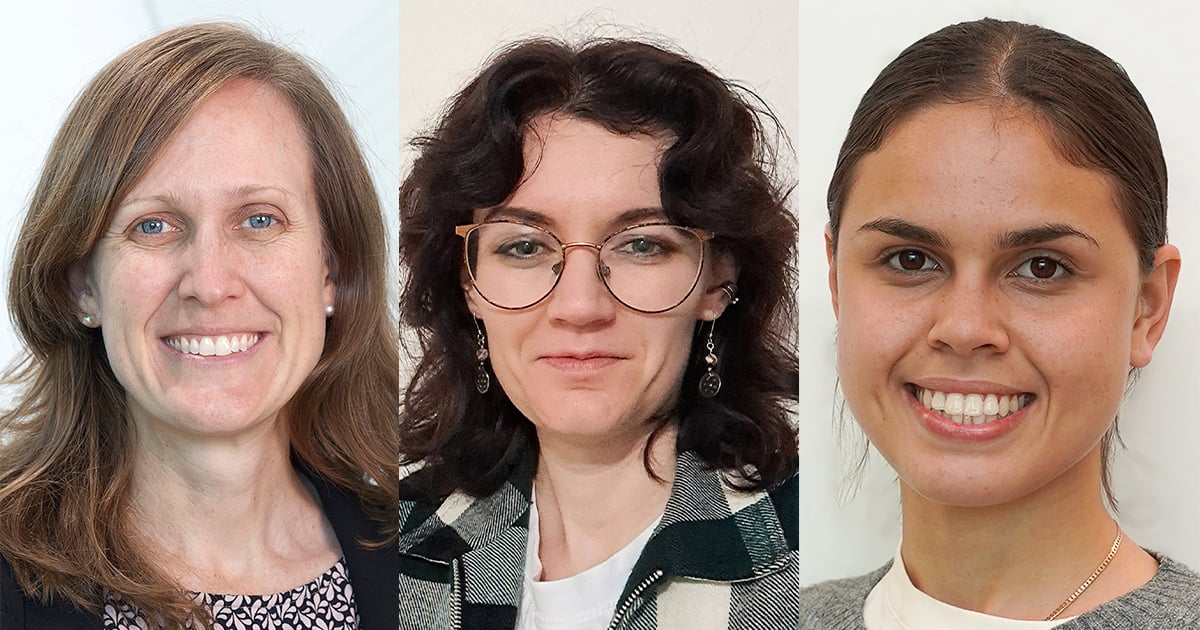
Three researchers from The Kids Research Institute Australia were recognised as being among Western Australia’s brightest and most innovative scientific minds at last night’s 24th Premier's Science Awards.
We examined the degree of parental and child mental health in a community sample of children diagnosed with Attention Deficit Hyperactive Disorder and the...