
Search
Showing results for "mental health aboriginal"
Streptoccocal A (Strep A, GAS) infections in Australia are responsible for significant morbidity and mortality through both invasive (iGAS) and post-streptococcal (postGAS) diseases as well as preceding superficial (sGAS) skin and throat infection. The burden of iGAS and postGAS are addressed in some jurisdictions by mandatory notification systems; in contrast, the burden of preceding sGAS has no reporting structure, and is less well defined.
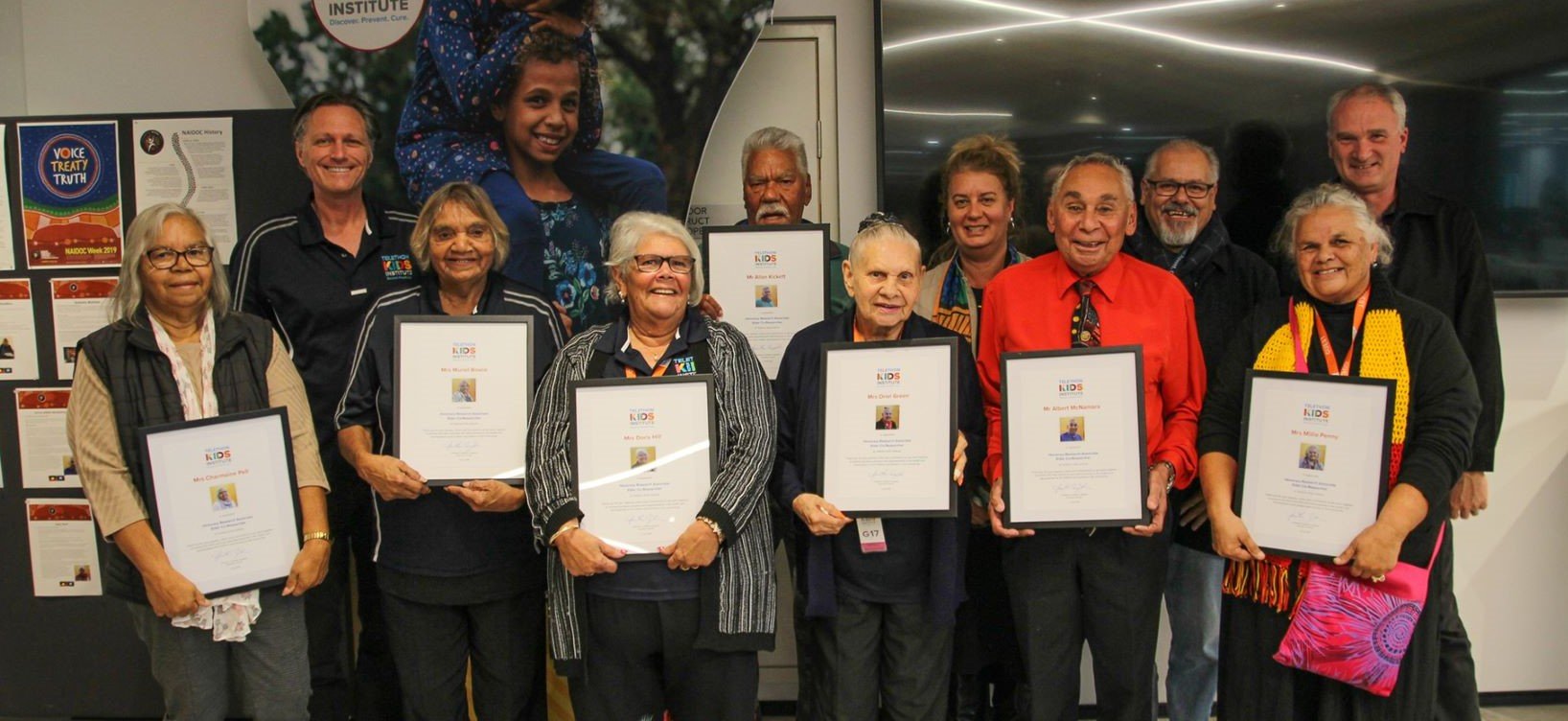
The Ngulluk Koolunga Ngulluk Koort (Our Children, Our Heart) Project grew out of a bold vision to harness the wisdom of Aboriginal Elders to improve outcomes for Aboriginal children, producing a suite of Elder-led, culturally appropriate and empowering initiatives that are making a difference.
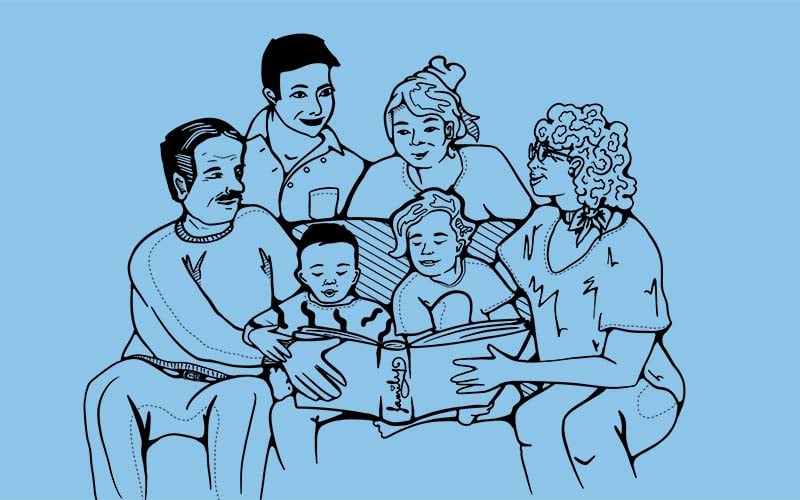
Transforming Families is providing evidence-based resources to help support the mental wellbeing of young people questioning their gender identity, or who identify as trans or gender diverse.
We want to better understand the relationship between parents/carers and their children who identify as trans or gender diverse with the aim of improving the well-being of the whole family.
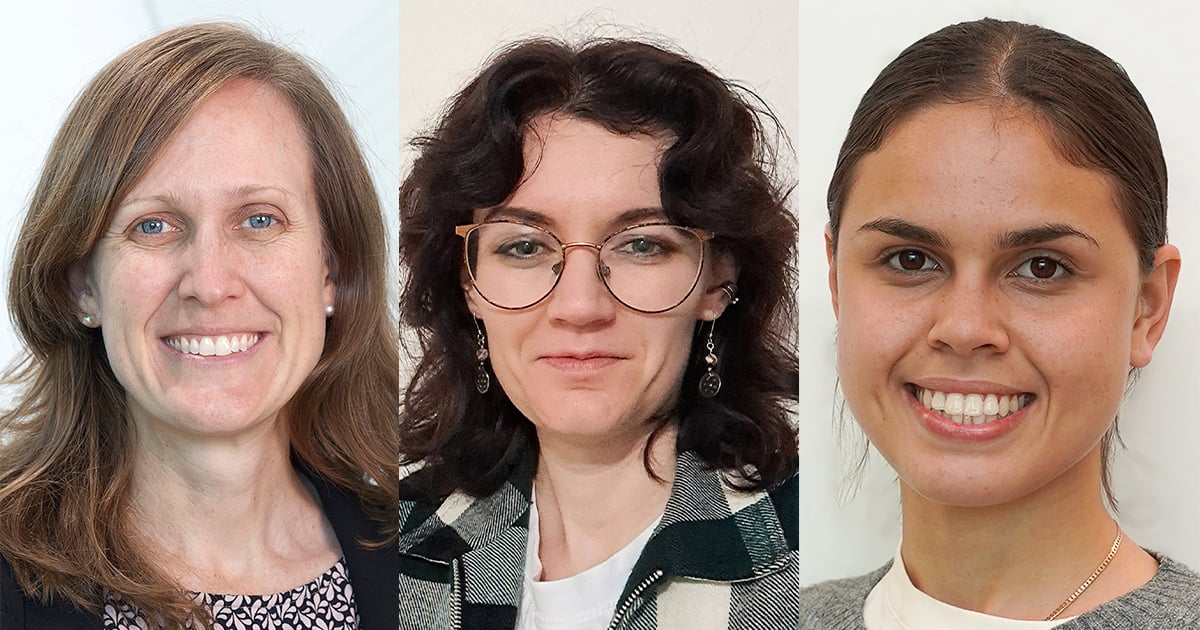
Three researchers from The Kids Research Institute Australia were recognised as being among Western Australia’s brightest and most innovative scientific minds at last night’s 24th Premier's Science Awards.
High rates of recurrent infection are a major risk to the health of Aboriginal children and are comparable to those of third world countries.
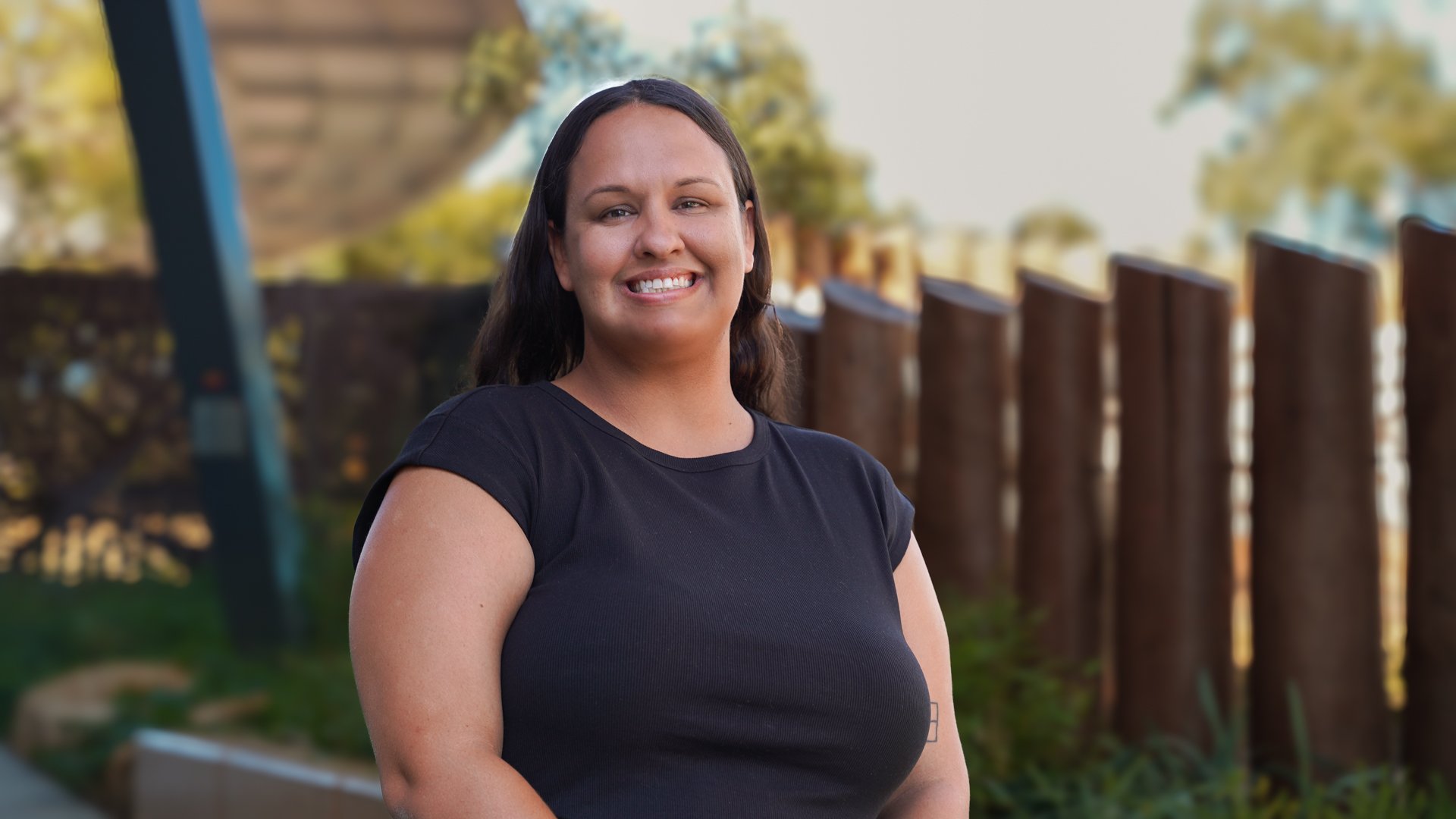
The staff bio of Sarah Cattermole
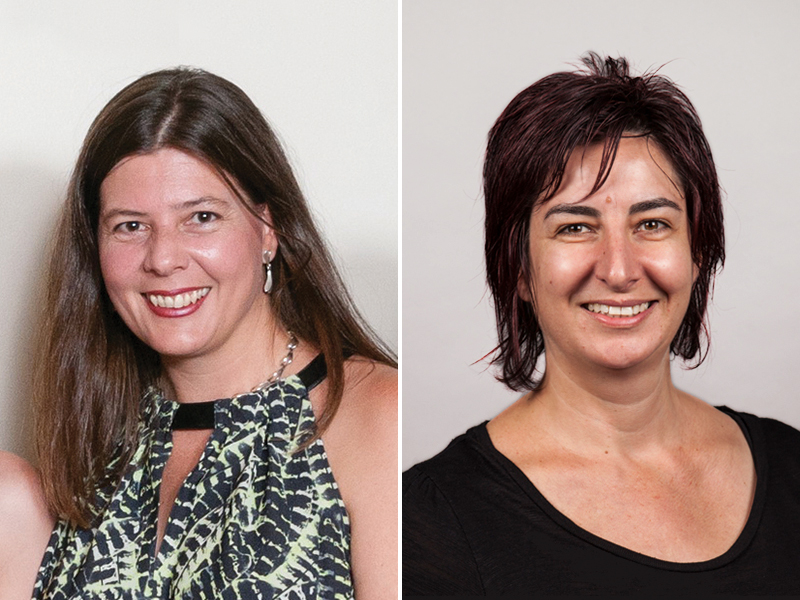
Two leading The Kids Research Institute Australia researchers will use more than $1.1 million in National Health and Medical Research Council funding to improve outcomes for some of the world’s most vulnerable children and young people.

Senior Research Officer, Epidemiology
The Kids Research Institute Australia's Human Capability Team has been asked by the Commonwealth Department of Education, Skills and Employment (DESE) to prepare a methodology and project plan to conduct a nationally-representative survey of bullying prevalence among children and young people in Years 4–10.