
Search
Showing results for "aboriginal respiratory"
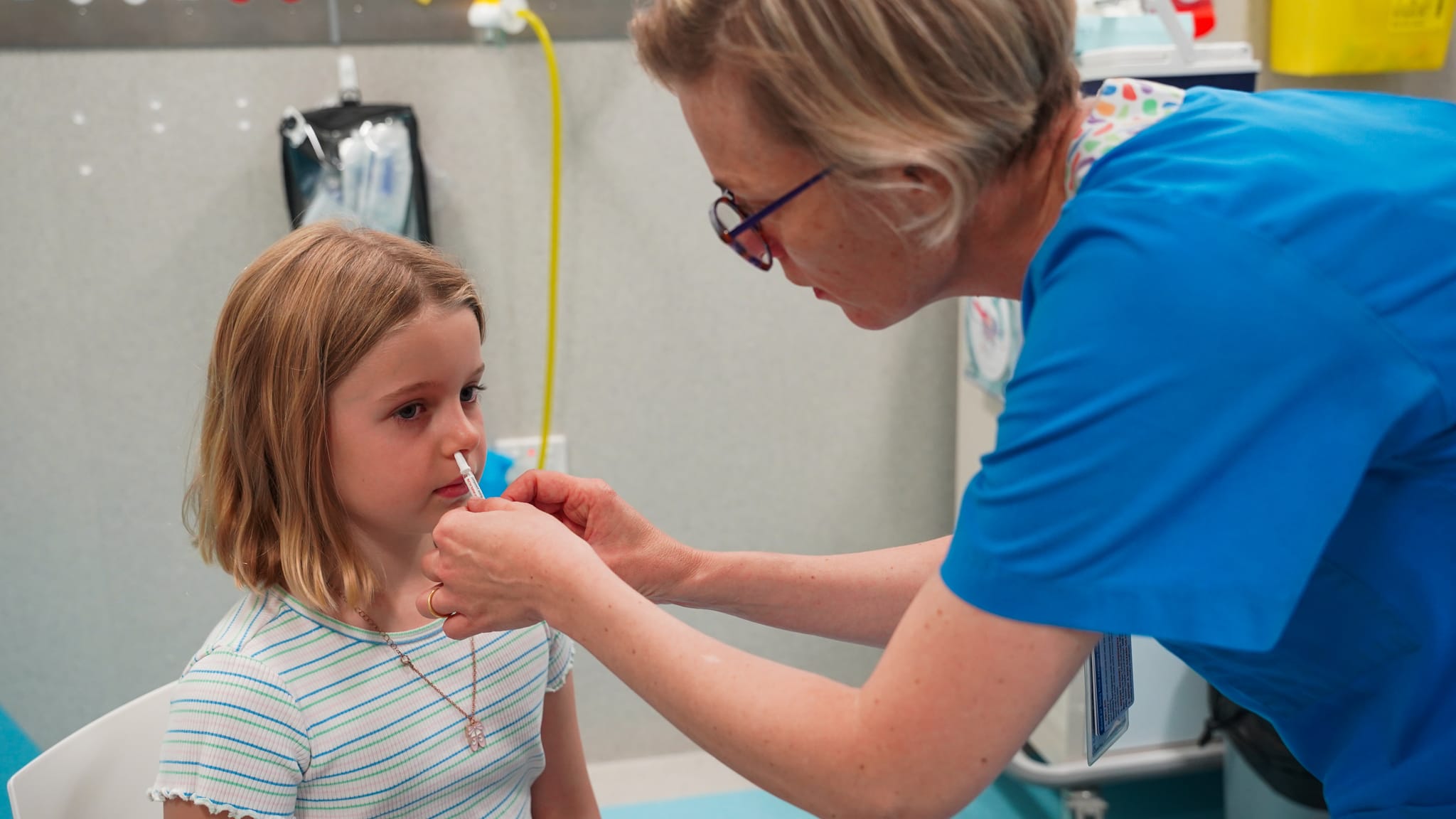
Influenza (commonly known as the flu) is caused by a highly contagious virus spread mainly through coughing and sneezing. An annual flu vaccination is the most effective way to prevent flu outbreaks.
Dr Anthony Bosco, Professor Steve Stick, Professor Andrew Whitehouse, Dr Raelene Endersby and Dr Luke Garratt know how fortunate they are to have
Dr Anthony Bosco, Professor Steve Stick, Professor Andrew Whitehouse, Dr Raelene Endersby and Dr Luke Garratt know how fortunate they are to have

Post-doctoral Researcher
PhD Candidate
Health outcomes for Australian Aboriginal and Torres Strait peoples are very poor. This is considerably worse in remote regions. The East Pilbara, where the Aboriginal and Torres Strait Islander communities of the Martu and Nyiyaparli people reside, is one such remote region.
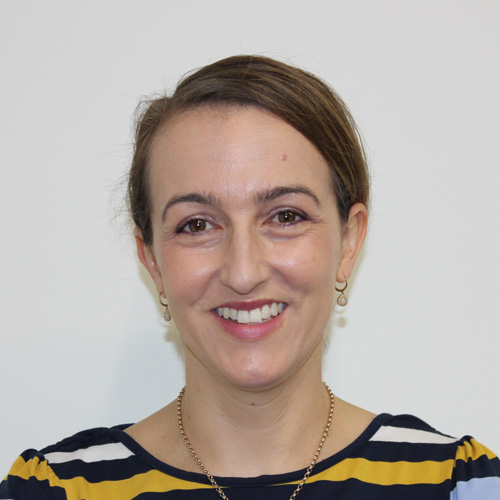
Bernadette Ricciardo MBBS (hon) DCH FACD PhD Candidate Bernadette.Ricciardo@thekids.org.au PhD Candidate Dr Bernadette Ricciardo is a PhD student on
Bernadette Ricciardo MBBS (hon) DCH FACD PhD Candidate Bernadette.Ricciardo@thekids.org.au PhD Candidate Dr Bernadette Ricciardo is a PhD student on
Group A β-haemolytic Streptococcus (GAS), a Gram-positive bacterium, causes skin, mucosal and systemic infections. Repeated GAS infections can lead to autoimmune diseases acute rheumatic fever (ARF) and rheumatic heart disease (RHD). Aboriginal and Torres Strait Islander peoples in Australia have the highest rates of ARF and RHD in the world.

Co-Head, Aboriginal Health and Wellbeing