
Search
Showing results for "autism"
This study investigated the potential of using SARS-CoV-2 viral Increasing young people's physical activity, along with their motivation and confidence to be active, is widely advocated for supporting desirable health outcomes. Trans and gender diverse (henceforth; trans) young people experience significant physical activity-related barriers compared to cisgender (i.e., an individual for whom gender identity and sex presumed at birth are in alignment) peers.
Meet the directors and researchers that make up the team behind ORIGINS.
Our findings only lend partial support to a link between diet and mental health, specific to females consuming a Western diet and to externalizing behaviours
Adequate Zn and Mg intakes may be beneficial for the prevention and treatment of mental health problems, such as depression, anxiety and attention-deficit...
The Self-Compassion Online program could provide a scalable solution for improving psychological outcomes and quality of life among youth with chronic illness
People with intellectual disability fall at a younger age compared with the broader community
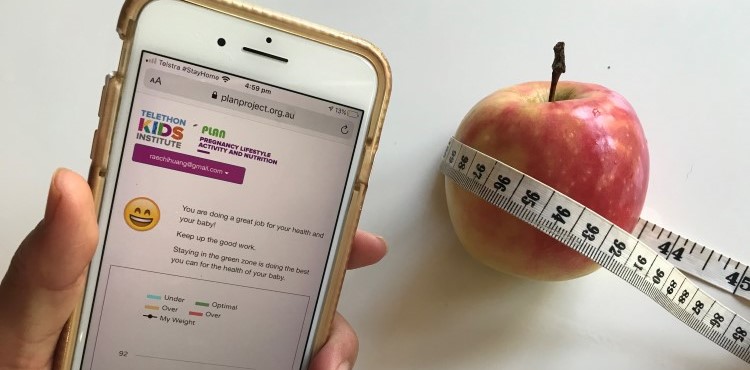
A diet and lifestyle mobile app targeting a critical window in early pregnancy is being introduced to women in the northern suburbs of Perth, hoping to assist with breaking the ‘transmission’ of obesity from one generation to the next.
Maternal diet during pregnancy has long been recognised as an important determinant of neonatal outcomes and child development. Infant body composition is a potentially modifiable risk factor for predicting future health and metabolic disease.
Fetal Alcohol Spectrum Disorder is a neurodevelopmental disorder caused by exposure to alcohol in utero. It has pervasive, lifelong impacts and is recognised as a major public health concern in many countries where alcohol is used. The FASD Research Australia Centre of Research Excellence was funded by the National Health and Medical Research Council to generate and translate evidence to address prevention, diagnosis, and management of FASD in Australia.
To understand the prevalence of children and adolescents’ electronic device use (EDU) in the hour before bed and identify sociodemographic groups that are at increased risk of problematic use.