
Search
Showing results for "early lung health"
Exposure to diesel exhaust particles (DEP) is thought to exacerbate many pre-existing respiratory diseases.
Cystic fibrosis (CF) is the most common chronic, life-shortening genetic condition affecting young Australians. There is no cure but researchers are working to prevent the onset of lung disease.
In school-aged children with cystic fibrosis (CF) structural lung damage assessed using chest CT is associated with abnormal ventilation distribution.
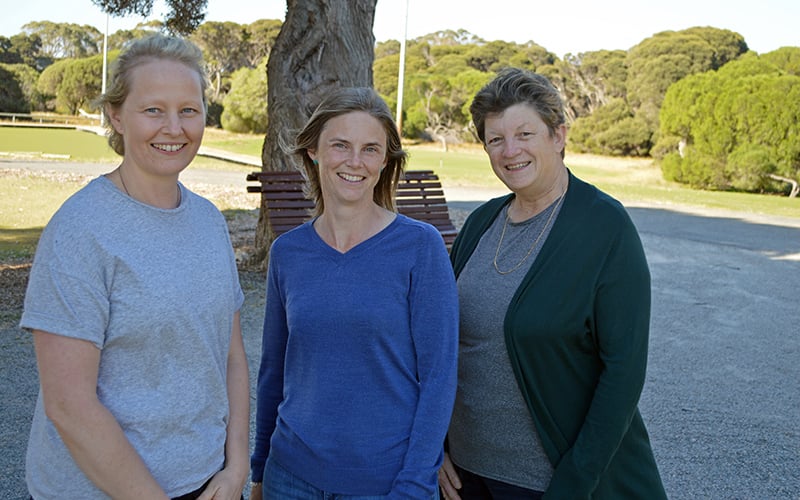
Preterm researchers Dr Shannon Simpson (left) and Professor Jane Pillow (right) with Tony Sparks WA chairperson Amber Bates.
Building Bridges demonstrates the centrality of trusting relationships for systemic change and the way in which meaningful engagement is at the core of both the process and the outcome
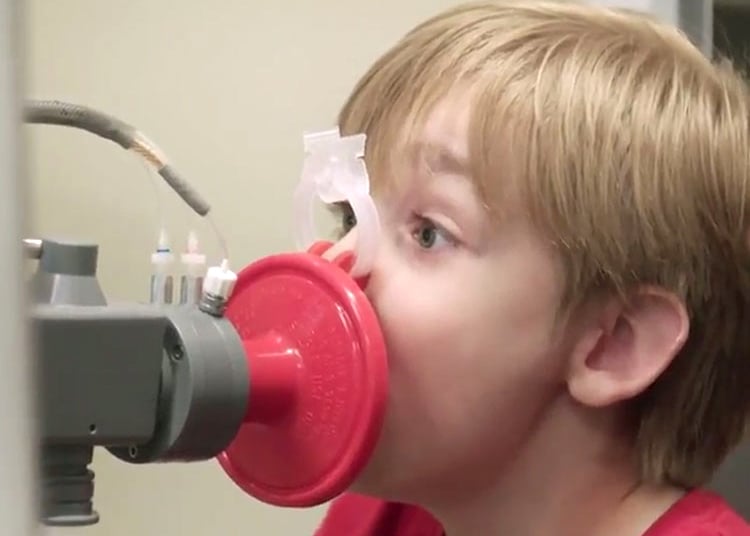
Information about cystic fibrosis awareness month and CF research at The Kids
The project aims to build capacity in regenerative medicine for children with respiratory diseases.
Oral targeted antineoplastic drugs (OTADs) are becoming more and more acceptable for lung cancer treatment due to their advantages such as the convenience of administration and milder side effects. However, medication adherence represents a major issue for prolonged OTAD treatment.
Lung-protective ventilation (LPV) has been adopted in the theater environment as a strategy to reduce pulmonary complications under anesthesia. Postoperative pulmonary complications are not infrequent and may have significant implications on the postoperative length of stay as well as the morbidity and mortality of pediatric patients.
The use of low dose CT (LDCT) chest is becoming more widespread in occupationally exposed populations. There is a knowledge gap as to heterogeneity in severity and the natural course of asbestosis after low levels of exposure. This study reports the characteristics of LDCT-detected interstitial lung abnormalities (ILA).