
Search
Showing results for "e-cigarettes"
We know that sport, when the appropriate environment is provided, can be an enriching experience for children – with many physical and mental health benefits.
The ACEFA NHMRC Centre of Research Excellence aims to support the timely, effective response to epidemic diseases in Australia through real-time data analytics, modelling, and forecasting.
This project explores the mental health and support needs of Australians with complex experiences of gender-affirmation.
Keely Amy Tim Bebbington Finlay-Jones Jones MClinPsych/PhD BPsych(Hons), MPsych(Clinical), MHealthEcon, PhD (Clin Psych) MBBS DCH FRACP MD McCusker
David Melissa Rebecca Ansell O'Donnell Glauert DipTeach BEd PGD H Science MPhil MPA BPsych (Hons), MPsych, GradDip Ed, PhD BPsych (Hons) PhD Honorary
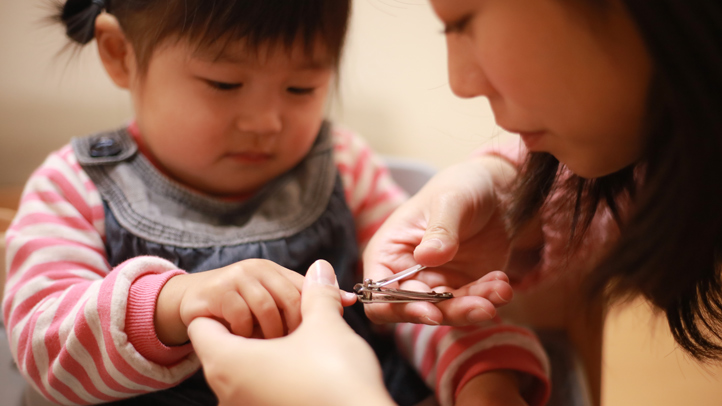
In this blog, Curtin University Occupational Therapy student Julia Than discusses how to make nail care an important part of a child's self-care routine.
Find out how The Kids Research Institute Australia works with Government to influence policy and practice.
The impact of familial and childhood health conditions on health later in life.
As both bronchiolitis and bronchiectasis are diseases of the airway surface, we will comprehensively study the airway surface and factors affecting the airway surface in infants hospitalised with bronchiolitis.

Some of the more common questions about the LiLO study